What Can You Learn From a Sand Equivalent Test?
Jan 15, 2020
Having the right balance of particles in the aggregate added to your hot mix asphalt (HMA) will play a huge role in the pavement's success after it sets. In order to quickly and accurately evaluate the balance of materials in an aggregate, you'll want to perform a sand equivalent test.
What is the Sand Equivalent Test?
The sand equivalent test is a rapid field test used to determine the proportions of sand versus clay in a soil sample. Sand is desirable for many HMAs, but clays and other fine dusts are not, since they can make the finished asphalt less stable and prone to damage. This is because clays and fine materials tend to coat the coarser aggregates like sand, reducing the ability of those aggregates to bond with the asphalt binder. By showing the clay-to-sand ratio in a soil sample, the sand equivalent test can bring you a step closer to determining if the soil you've chosen will produce the optimal HMA.
- Step 1: Divide your specimen evenly between four or more 3 oz tin measures
- Step 2: Pass each measured specimen through a No. 4 sieve into a graduated cylinder.
- Step 3: Add a flocculating solution to encourage the materials to clump together separately. These solutions are made of calcium chloride, formaldehyde and glycerin.
- Step 4: Shake the cylinder by hand for 30 seconds using a linear, horizontal motion. If you have a manual shaker on hand, place the cylinder inside and set the shaker for 100 cycles.
- Step 5: Allow at least 20 minutes for sedimentation, or the settling and separation of the sand and clay layers. If the suspension levels of the clay and sand are not clearly visible after 20 minutes, wait for another 10. If the levels are still unclear, run new samples.
- Step 6: Record the clay reading, which is the level on the graduated cylinder that the top of the clay suspension reaches.
- Step 7: Record the sand reading using a weighted foot. Simply insert it into the cylinder until it rests on the sand and record the level at the bottom of the foot. Subtract that value from 254 mm for the sand level.
- SE=(sand reading ÷ clay reading) × 100
Supplies Needed to Perform the Sand Equivalent Test
Because the sand equivalent test is relatively simple, you will only need a few key pieces of equipment to perform it:
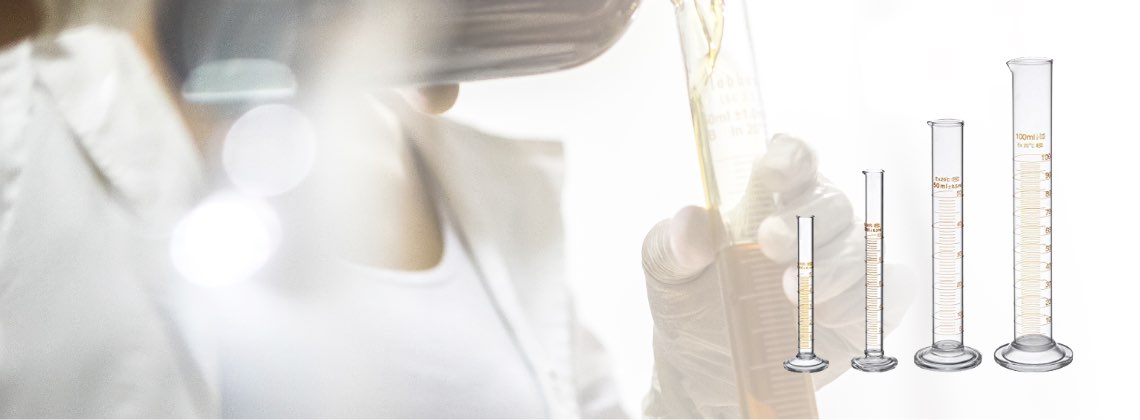
- Graduated Cylinders
- 3 oz Measuring Tins
- Irrigator Tubes
- Stock Solution (calcium chloride, formaldehyde and glycerine)
- Weighted Foot
- Siphon
- Cylinder Stoppers
- No. 4 Sieve
- Mechanical Shaker or Manual Shaker
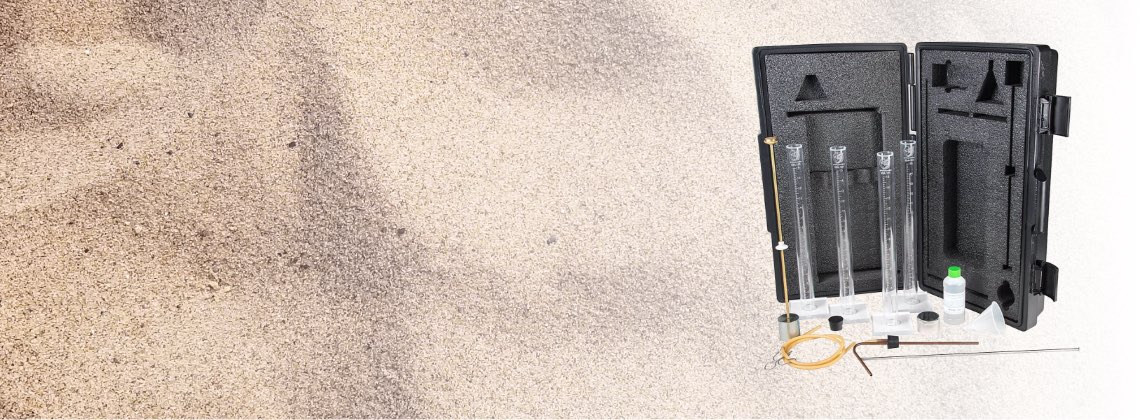
- Sand Equivalent Test Set: This comprehensive set contains everything you need to perform the sand equivalent test, whether you're in the lab or in situ, including graduated cylinders, measuring tins, irrigation tubes and stock solution.
Choose Your Aggregate Testing Equipment at Certified MTP
Certified Material Testing Products carries all the supplies you need to perform a successful sand equivalent test and many other aggregate tests for construction and other civil engineering projects. View our classification devices for aggregate testing or the rest of our wide selection of aggregate testing equipment today.