Ignoring Construction Testing: Risks, Lessons & Impact
Apr 22, 2026
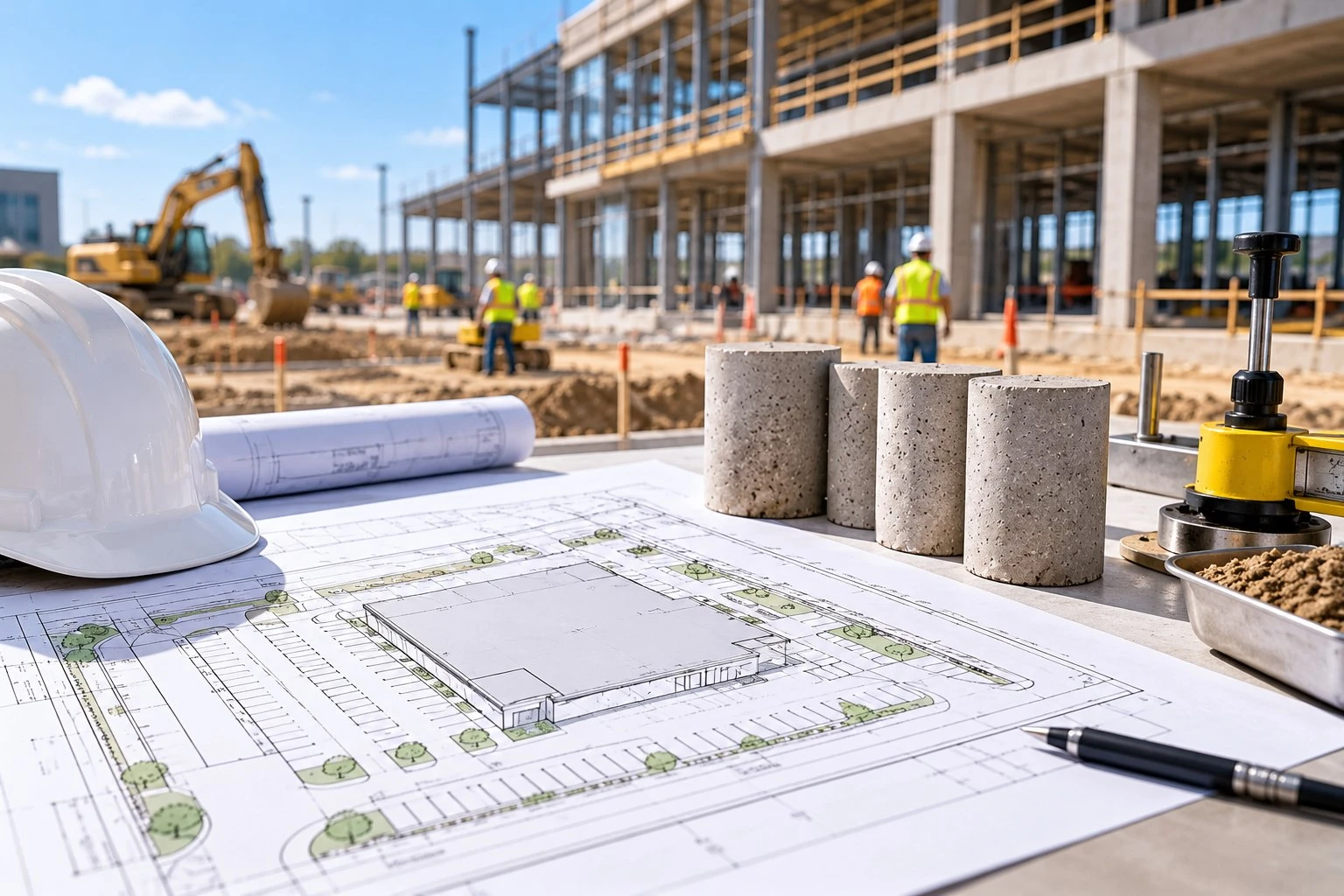
Construction projects are often judged by what we can see: the design, the finish, the scale. But what we don’t see is often far more important. Beneath every strong structure lies a foundation of tested materials, verified data, and informed decisions. When this process is ignored or rushed, the consequences can be severe. Proper sample handling tools, such as aluminum sample containers, play a critical role in maintaining testing accuracy and preventing contamination.
Material testing is not just a technical requirement; it is a safeguard against failure. From small residential builds to massive infrastructure projects, skipping or underestimating testing can lead to cracks, collapses, and costly repairs. Understanding the real risks of ignoring construction material testing reveals why the right equipment is not optional, it is essential.
The Hidden Cost of Skipping Testing
At first glance, skipping material testing might seem like a way to save time or reduce costs. However, this short-term thinking often leads to long-term losses. When materials are not properly tested, there is no guarantee they will perform as expected under load or environmental stress.
For example, if concrete is not tested for compressive strength, it may not be able to support the intended structure. Similarly, poorly analyzed soil conditions can result in uneven settling, leading to cracks in walls and foundations. These issues are not just expensive to fix, they can compromise the safety of the entire structure.
Testing provides certainty. Without it, construction becomes a gamble.
When Foundations Fail: The Role of Soil Testing
One of the most critical stages in construction happens before any visible work begins. Soil testing determines whether the ground can support a structure, yet it is often underestimated.
When soil is not properly analyzed, the foundation may shift over time. This can cause doors and windows to misalign, floors to slope, and walls to crack. In severe cases, it can lead to partial or complete structural failure.
Reliable testing equipment helps engineers understand soil behavior, moisture levels, and load-bearing capacity. With the right tools, these risks can be identified early and addressed before construction begins. For accurate soil analysis, professionals rely on specialized soil testing equipment to ensure safe and stable foundations.
Concrete Without Testing: A Risk You Can’t Afford
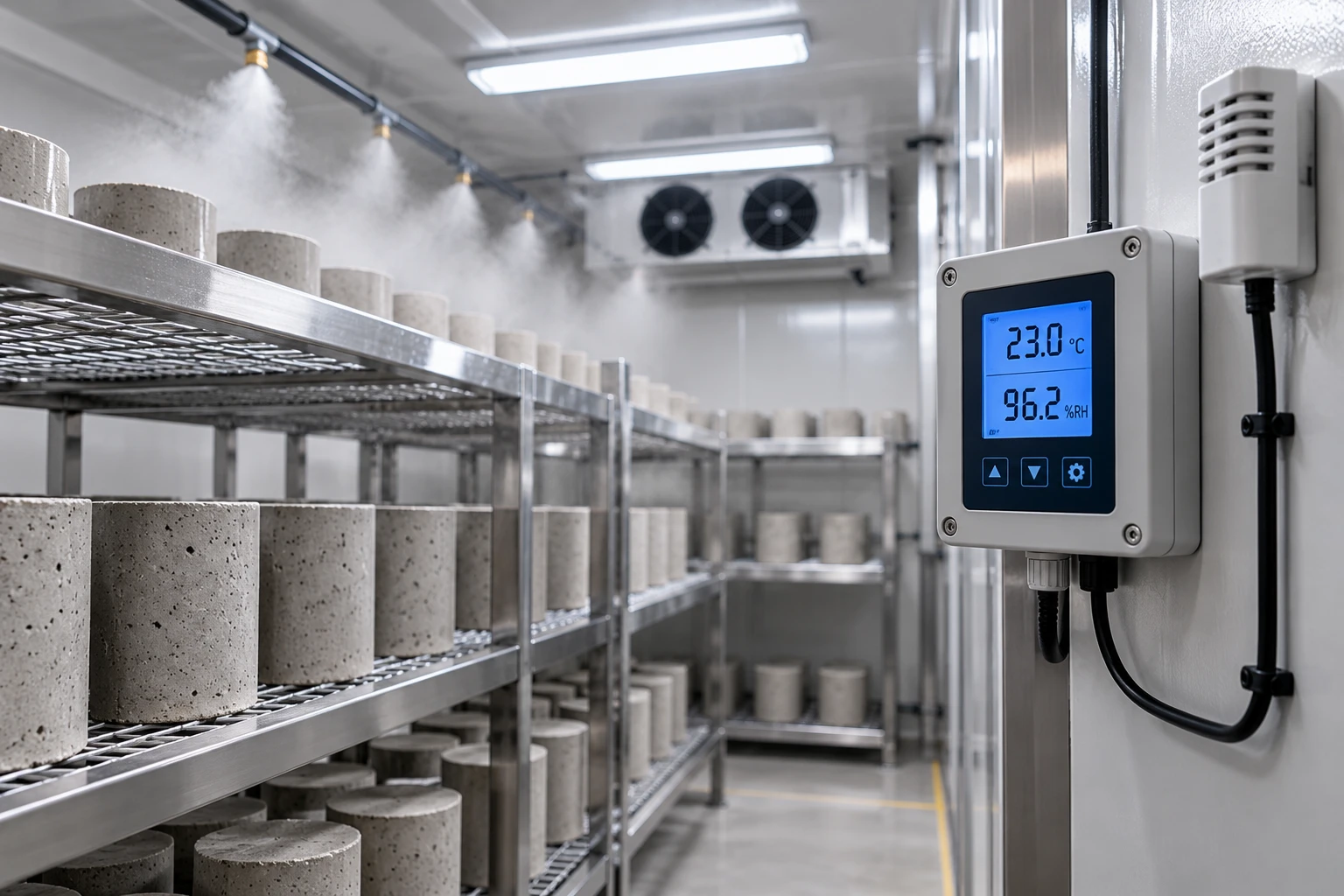
Concrete is often perceived as a strong and dependable material, but its performance depends entirely on its composition and curing process. Without proper testing, there is no way to confirm whether the concrete will achieve the required strength.
In many cases, issues such as improper water ratios or poor mixing can weaken concrete significantly. These weaknesses may not be visible immediately but can lead to cracks, reduced durability, and eventual failure.
Testing ensures that concrete meets design specifications and performs reliably over time. It allows construction teams to catch problems early, rather than dealing with the consequences later.
Inconsistencies That Add Up: Aggregates and Materials
Even small variations in materials can have a big impact on construction quality. Aggregates, for instance, play a major role in both concrete and asphalt performance. If their size distribution or moisture content is inconsistent, it can affect the strength and stability of the final structure.
Without proper testing, these inconsistencies often go unnoticed until problems arise. This can result in weak bonding, reduced durability, and uneven surfaces.
Accurate testing tools help maintain consistency across materials, ensuring that every batch meets the required standards. This level of control is essential for delivering reliable results.
Roads That Don’t Last: The Impact of Poor Asphalt Testing
We have all experienced roads that develop cracks and potholes far too quickly. In many cases, the root cause lies in inadequate testing during construction.
Asphalt must be carefully evaluated for properties such as stability, flexibility, and resistance to deformation. Without this testing, roads may not be able to withstand traffic loads or environmental conditions.
The result is not just inconvenience but increased maintenance costs and safety risks. Proper testing ensures that asphalt performs as intended, extending the lifespan of roads and improving overall infrastructure quality.
Beyond Compliance: Testing as a Strategic Advantage
Many construction professionals view testing as a requirement to meet regulations, but it offers much more than that. When used effectively, testing becomes a strategic advantage.
Accurate data allows for better decision-making, improved efficiency, and higher-quality outcomes. It reduces the likelihood of rework, minimizes waste, and enhances project timelines.
Companies that prioritize testing are often able to deliver more consistent results, building trust with clients and stakeholders. In a competitive industry, this reliability can set a business apart.
The Role of Reliable Equipment in Preventing Failure
Not all testing equipment delivers the same level of accuracy. Using outdated or low-quality tools can lead to incorrect results, which can be just as dangerous as not testing at all.
Reliable equipment ensures that data is precise and dependable. It supports consistent testing processes and helps maintain compliance with industry standards. For construction professionals, investing in high-quality tools is not just about meeting requirements it is about preventing failure.
A Shift in Mindset: From Optional to Essential
One of the biggest challenges in construction is changing the perception of testing from an optional step to an essential process. When testing is seen as a priority rather than an afterthought, the entire approach to construction improves.
This shift in mindset leads to better planning, more informed decisions, and stronger outcomes. It encourages teams to focus on quality at every stage, rather than addressing problems after they occur.
In an industry where mistakes can have serious consequences, this proactive approach makes all the difference.
Final Thoughts
Behind every failure in construction lies a lesson, and many of those lessons point back to one common factor: insufficient testing. While it may not always be visible, material testing plays a critical role in ensuring the strength, safety, and longevity of structures.
By understanding the risks of ignoring testing and investing in reliable equipment, construction professionals can avoid costly mistakes and deliver projects that stand the test of time.
In the end, testing is not just about meeting standards it is about building with confidence.
Frequently Asked Questions (FAQs)
What happens if construction materials are not tested?
If materials are not tested, it can lead to structural weaknesses, safety hazards, and costly repairs due to poor performance.
Why is soil testing so important in construction?
Soil testing ensures that the ground can support the structure, preventing issues like foundation cracks and uneven settling.
Can poor testing really lead to construction failure?
Yes, inaccurate or skipped testing can result in weak materials being used, which may cause structural damage or even collapse over time.
Is testing equipment really necessary for small projects?
Yes, even small projects benefit from testing, as it ensures material quality and prevents future problems.
Where can reliable testing equipment be found?
High-quality construction material testing equipment is available at https://certifiedmtp.com/, offering solutions for accurate and dependable testing.