Quality Asphalt Testing Equipment for Better Roads
May 25, 2026
Modern roads are expected to handle increasing traffic loads, changing weather conditions, and long-term wear without compromising safety. Behind every durable highway, parking lot, runway, or pavement project is a detailed quality control process that ensures the asphalt mix performs as intended. This is where asphalt testing equipment becomes essential. From evaluating asphalt stability to testing bitumen properties, accurate laboratory and field testing help engineers build safer, longer-lasting roads.
At Certified MTP, professionals can find a wide range of reliable asphalt and bitumen testing equipment designed for construction labs, contractors, transportation agencies, and quality control specialists. Whether performing Marshall Stability testing, asphalt compaction analysis, or binder evaluation, having dependable testing instruments improves consistency and ensures compliance with industry standards.
Why Asphalt Testing Matters
Asphalt pavement is constantly exposed to traffic stress, moisture, heat, and environmental changes. Without proper testing, pavement failures such as rutting, cracking, stripping, or potholes can occur much sooner than expected. Asphalt testing allows engineers to evaluate how a pavement mixture will perform before it is used in real-world applications.
Testing provides critical insights into:
- Stability and strength of asphalt mixtures
- Resistance to deformation under traffic loads
- Binder consistency and durability
- Proper aggregate-to-bitumen ratios
- Density and compaction performance
- Long-term pavement reliability
By using professional-grade Asphalt Testing Equipment, laboratories and contractors can identify issues early and make adjustments before costly failures occur on the road.
Understanding Marshall Stability Testing
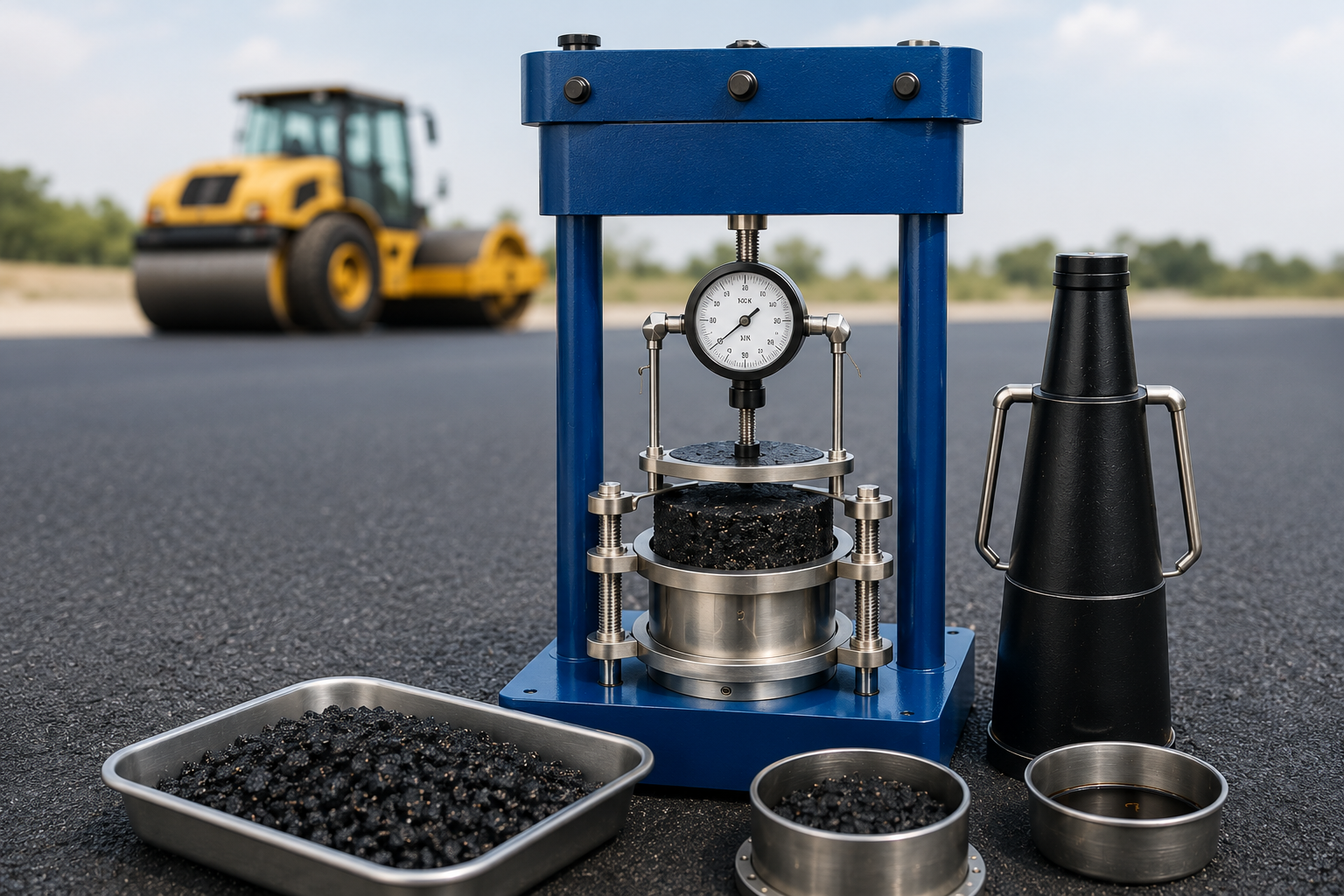
One of the most widely used asphalt quality tests is the Marshall Stability Test. This method evaluates the resistance of asphalt mixtures to plastic deformation under load. It is commonly used in highway construction, pavement design, and quality assurance programs worldwide.
The Marshall method measures two primary values:
- Stability – the maximum load the asphalt sample can withstand
- Flow – the amount of deformation that occurs before failure
These measurements help engineers determine whether an asphalt mixture has the right balance of strength and flexibility. Properly designed asphalt must be strong enough to resist rutting while still flexible enough to handle temperature fluctuations and traffic stress.
According to industry testing standards such as ASTM D6927 and AASHTO procedures, Marshall testing remains one of the most trusted approaches for evaluating asphalt pavement performance.
Certified MTP offers dependable Marshall Stability Testing Equipment designed for accurate and repeatable results in both laboratory and field testing environments.
Key Asphalt Testing Equipment Used in Laboratories
Professional asphalt laboratories rely on several specialized instruments to ensure complete pavement analysis. Each piece of equipment plays an important role in evaluating the properties of asphalt mixtures and bitumen binders.
Marshall Stability Testing Machines
Marshall Stability machines are designed to determine the maximum load-bearing capacity and deformation characteristics of asphalt specimens. These machines help engineers optimize asphalt mix designs for specific traffic conditions and environmental requirements.
Modern testing machines often include:
- Digital load measurement systems
- Flow meters and displacement indicators
- Adjustable loading frames
- Automated data collection capabilities
High-quality Marshall Stability testers improve repeatability and reduce operator error during testing procedures.
Marshall Compactors and Hammers
Before stability testing can begin, asphalt specimens must be properly compacted. Marshall compactors and compaction hammers simulate field compaction conditions to create standardized asphalt samples.
Reliable compaction equipment ensures consistency between samples, which is essential for accurate laboratory analysis.
Bitumen Testing Equipment
Bitumen serves as the binding agent in asphalt mixtures, making its performance critical to pavement durability. Various tests evaluate viscosity, penetration, softening point, and ductility.
Certified MTP provides a broad selection of Bitumen Testing Equipment for laboratories seeking accurate binder evaluation and quality control.
Asphalt Mix Testing Equipment
In addition to stability testing, laboratories often perform density, moisture, extraction, and aggregate analysis tests. Equipment such as ovens, balances, centrifuge extractors, and sample splitters help technicians maintain consistent asphalt quality throughout the construction process.
Benefits of Using High-Quality Asphalt Testing Equipment
Investing in reliable asphalt testing instruments provides several long-term advantages for contractors, laboratories, and transportation agencies.
Improved Road Safety
Poor-quality asphalt can lead to surface failures that create hazardous driving conditions. Proper testing ensures that asphalt mixtures meet performance requirements before being used in road construction.
More Accurate Quality Control
Precise testing equipment delivers consistent and repeatable results, helping technicians identify problems early and maintain quality standards throughout production.
Longer Pavement Life
When asphalt mixtures are properly designed and tested, pavements typically last longer and require fewer repairs. This reduces maintenance costs and minimizes disruptions for drivers.
Compliance With Industry Standards
Professional testing equipment helps laboratories comply with ASTM, AASHTO, and other industry testing requirements. Compliance is especially important for government projects and infrastructure contracts.
Reduced Material Waste
Accurate testing minimizes mix design errors and helps optimize material usage, improving both efficiency and project profitability.
Applications of Asphalt and Bitumen Testing
Asphalt testing equipment is used across many areas of construction and infrastructure development. Common applications include:
- Highway and roadway construction
- Airport runway projects
- Parking lots and commercial paving
- Municipal infrastructure projects
- Research and development laboratories
- University engineering programs
- Transportation department testing facilities
Testing equipment is also essential during pavement maintenance and rehabilitation projects, where engineers evaluate existing pavement conditions before repairs begin.
Choosing the Right Asphalt Testing Equipment
Selecting the appropriate testing equipment depends on the type of work being performed, testing standards required, and laboratory workload. Several factors should be considered before purchasing equipment.
Accuracy and Reliability
Testing equipment should provide repeatable and precise measurements. Reliable instruments reduce testing variability and improve confidence in results.
Durability
Laboratory and field testing environments can be demanding. Rugged equipment designed for long-term use offers better value and performance over time.
Compliance Standards
Equipment should meet relevant ASTM, AASHTO, and other testing specifications to ensure accurate and accepted test results.
Ease of Operation
User-friendly controls and digital interfaces can simplify testing procedures and improve laboratory efficiency.
Support and Availability
Working with trusted suppliers ensures access to replacement parts, calibration services, and technical assistance when needed.
Certified MTP has built a reputation for supplying dependable construction material testing equipment for professionals across the industry. Their extensive inventory supports laboratories, contractors, and engineers seeking accurate testing solutions for asphalt, aggregates, concrete, and soils.
The Future of Asphalt Testing Technology
As road construction technology evolves, asphalt testing equipment continues to improve as well. Modern laboratories increasingly use automated systems, digital data collection, and advanced analysis software to improve efficiency and testing accuracy.
New technologies are helping engineers evaluate sustainable asphalt mixtures, recycled materials, and modified binders designed for longer pavement life and improved environmental performance.
With infrastructure demands growing worldwide, reliable testing will continue to play a major role in building safer and more durable roads.
Final Thoughts
Quality asphalt testing equipment is essential for producing durable pavements that can withstand traffic loads and environmental stress over time. From Marshall Stability testing to bitumen analysis and compaction evaluation, professional testing instruments help ensure pavement quality, safety, and compliance with industry standards.
Whether you are managing a highway construction project, operating a materials testing laboratory, or conducting pavement research, dependable equipment can significantly improve testing accuracy and long-term project success.