Find how-to guides, buying guides, test methods and reference charts for materials testing.
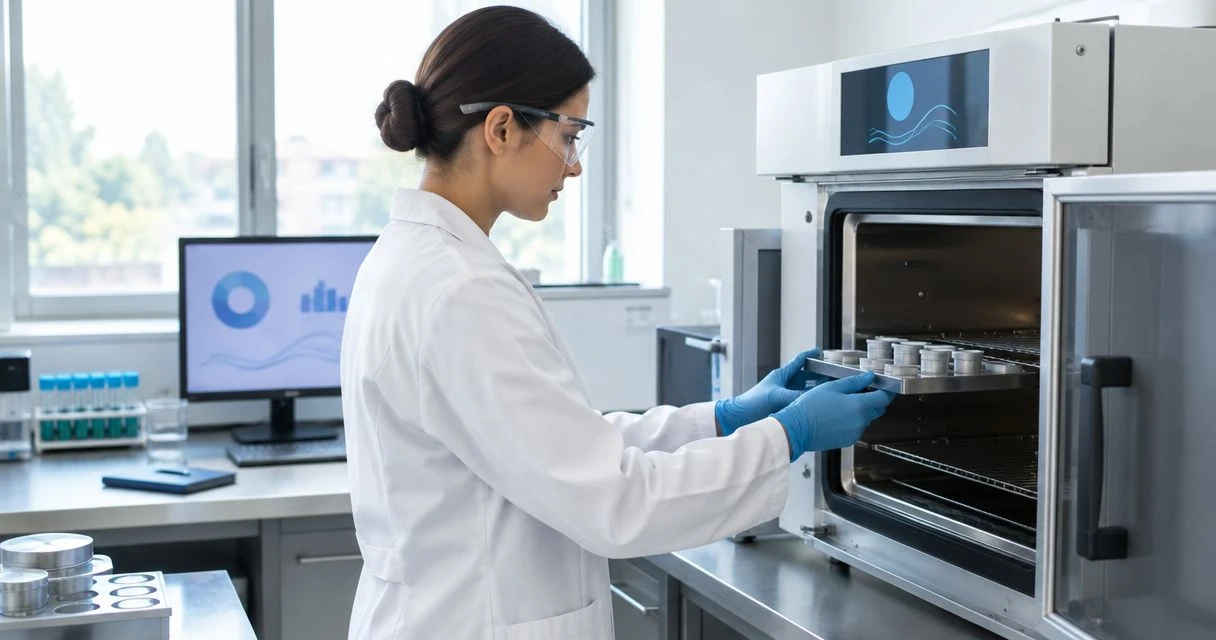
Choose laboratory ovens by the test method, required specimen temperature, loaded-chamber uniformity, and usable shelf space—not maximum temperature alone. For construction materials testing, co
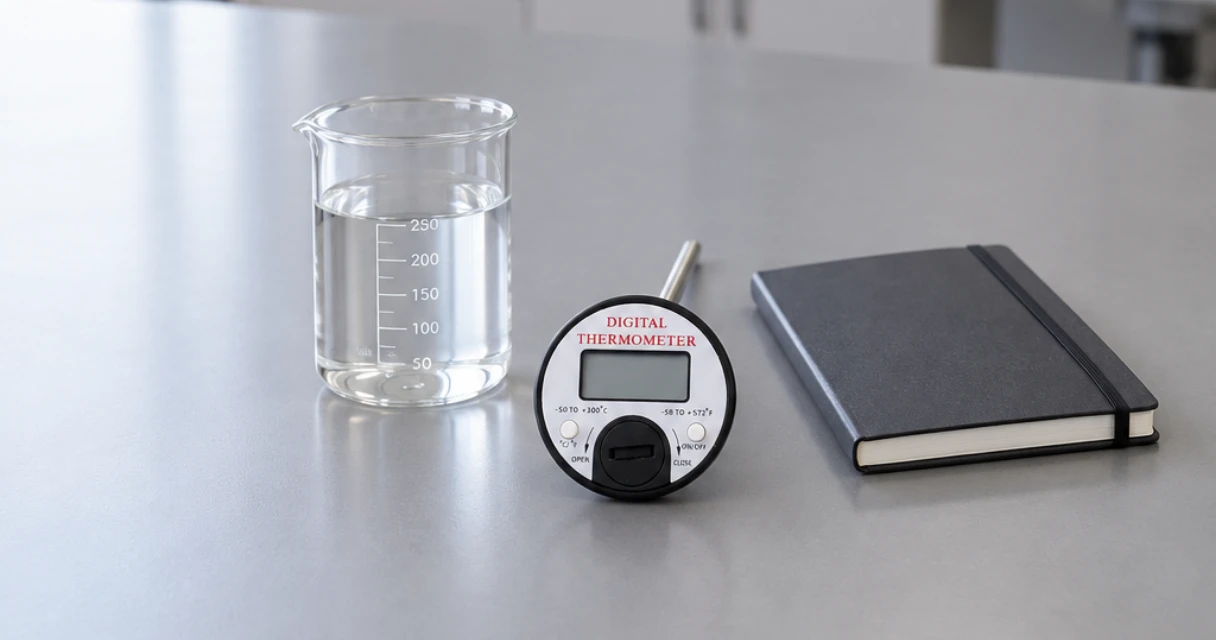
To convert Fahrenheit to Celsius, subtract 32 and multiply by 5/9: °C = (°F − 32) × 5/9. For example, 78 °F is 25.6 °C and 900 °F is 482.2 °C. The chart below lists
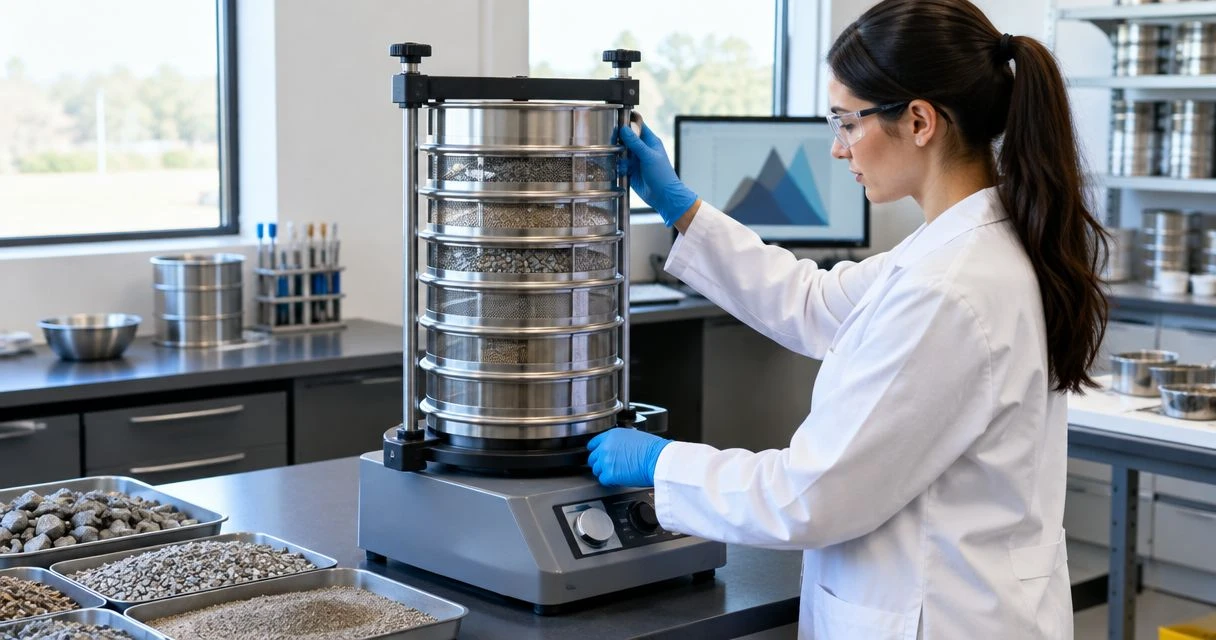
Choose a sieve shaker that fits your specified test method, sieve frames, required sample mass, and largest aggregate particles—not simply the machine with the tallest stack capacity. For a purc
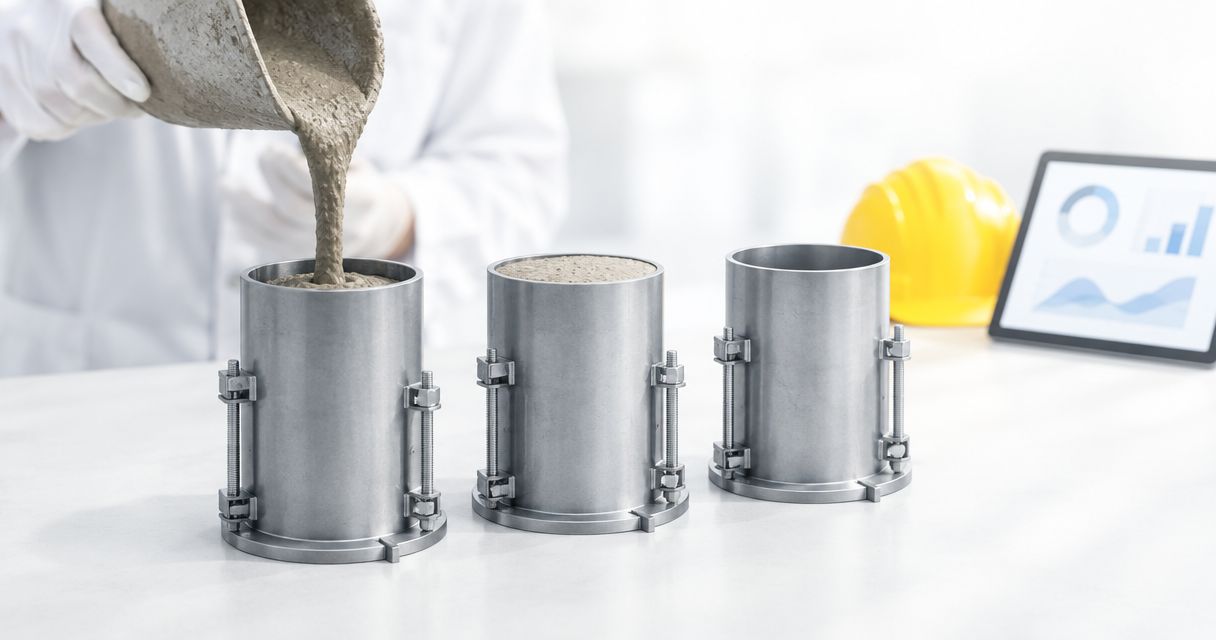
Select concrete cylinder molds by matching the specimen dimensions to the project’s test requirements, then checking mold construction, dimensional stability, closure, and removal method. Confir
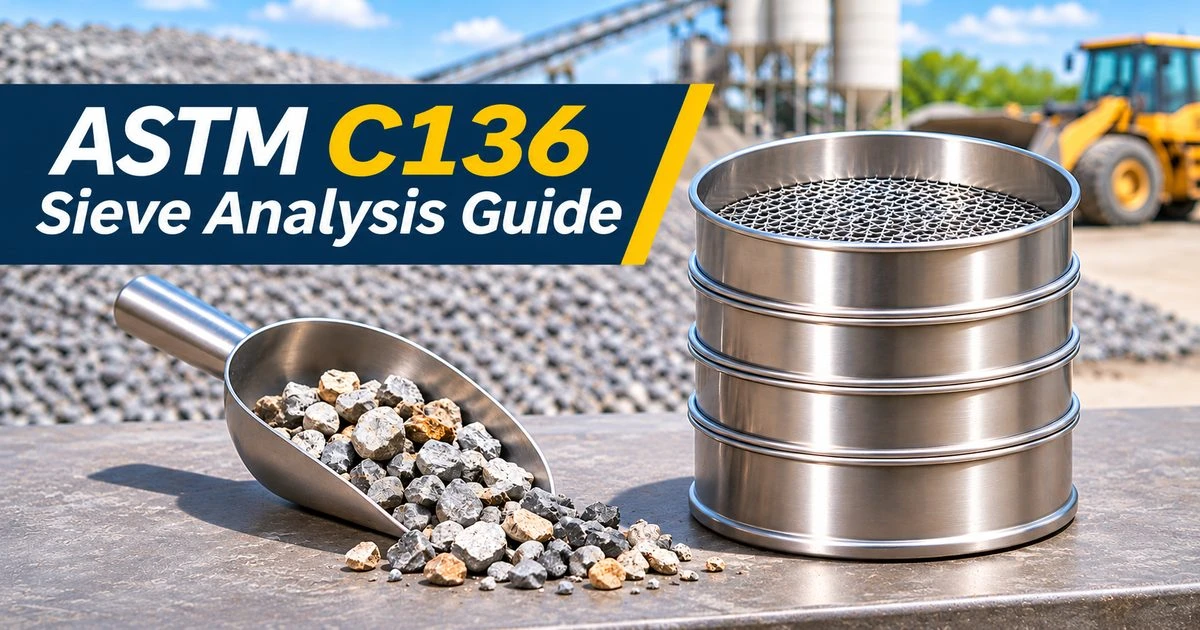
ASTM C136/C136M is the standard test method for sieve analysis of fine and coarse aggregates. It finds the particle size distribution, or gradation, of an aggregate sample by passing it through a stac
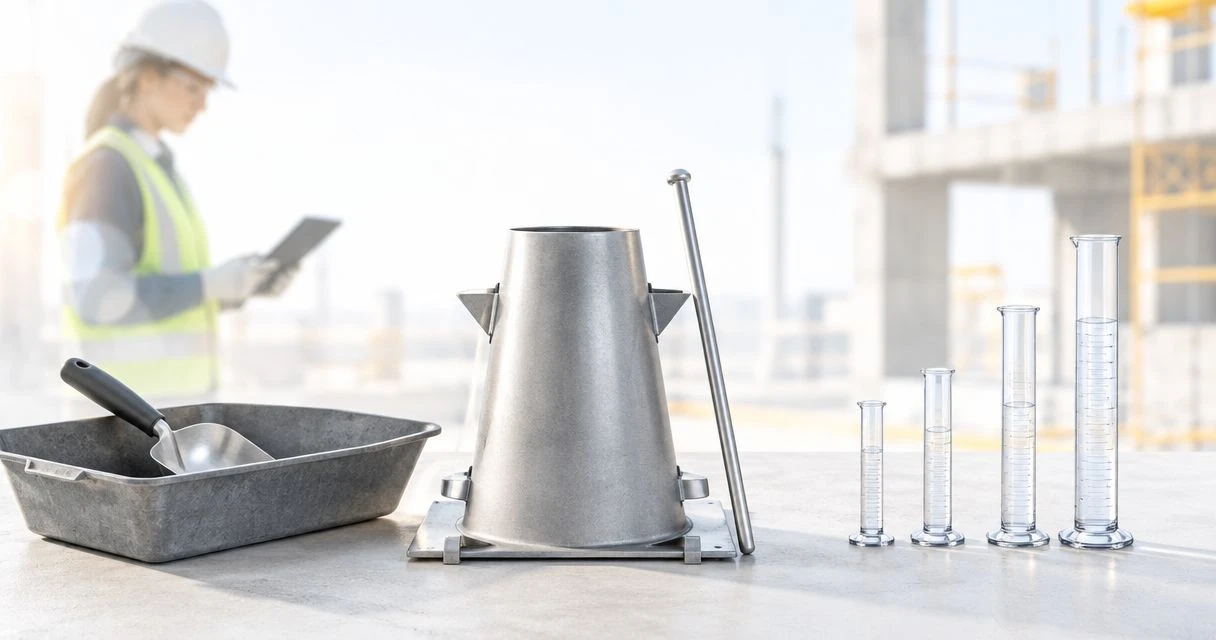
Field technicians’ slump test kit selection is the process of matching fresh-concrete testing equipment to the specified method so field measurements are consistent and reportable. This guide ex
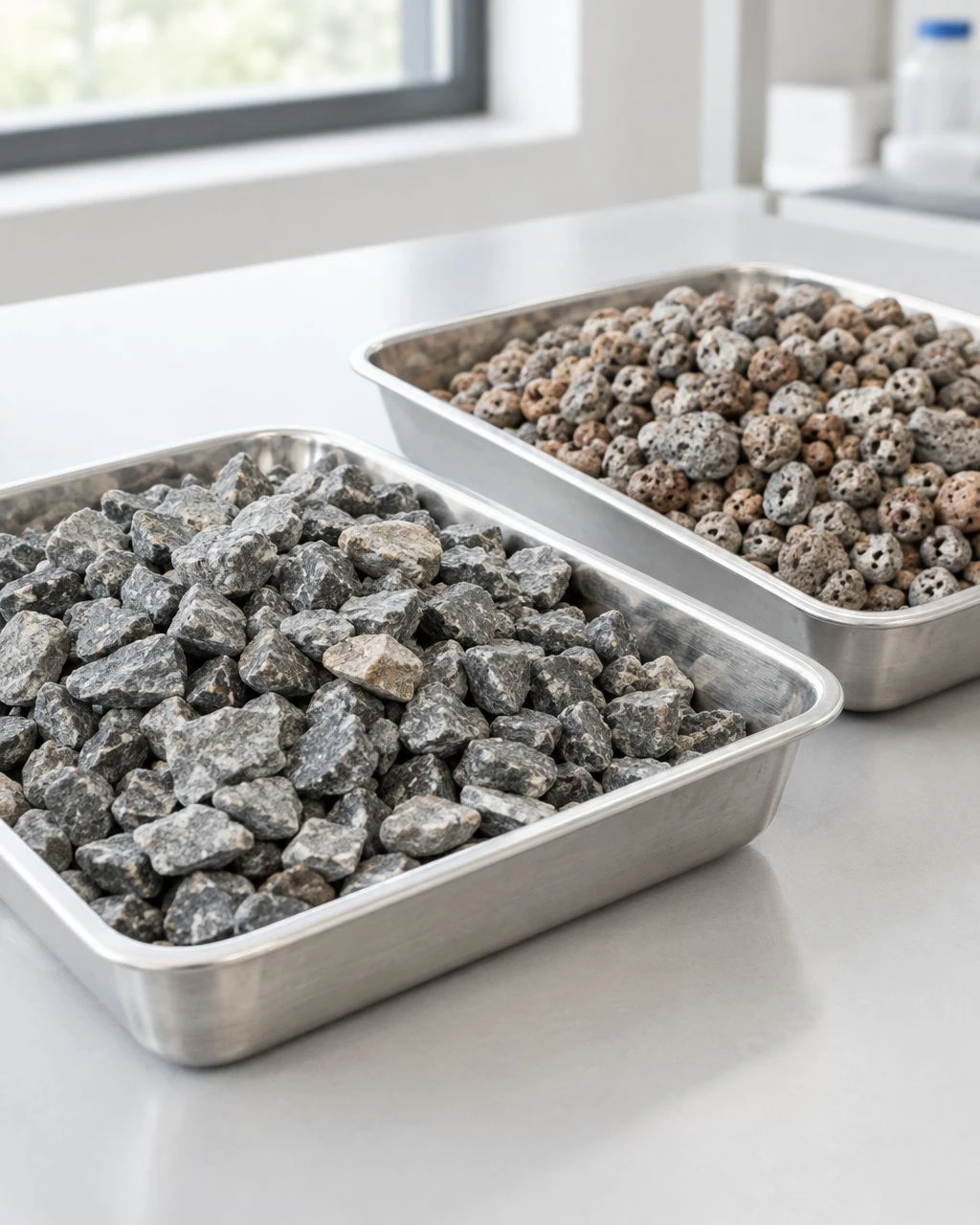
Choose a pressure concrete air meter for concrete made with relatively dense, normalweight aggregate, and choose a volumetric air meter for lightweight or highly porous aggregate. Pressure testing req
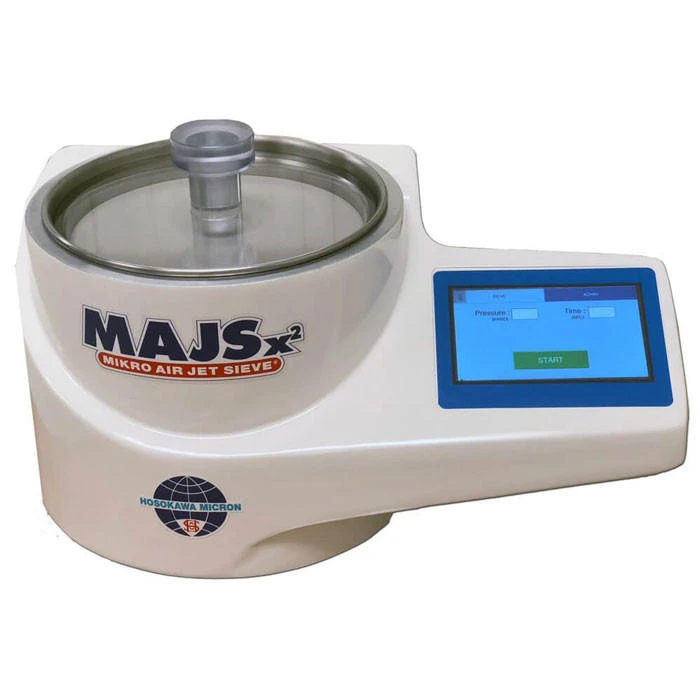
Use an air jet sieve for aggregate gradation by preparing a representative dry test portion, separating fines through a specified sieve under controlled airflow, and weighing the retained material. Us

Sidewalks make up one of New York City’s largest public infrastructures. With years of foot traffic, shifting weather conditions, tree roots expanding, and busy construction vehicles, sidewalks