Construction Materials Testing: Ensuring Roof Quality, Safety, and Durability
Oct 21, 2026
One of the most crucial elements of any building is a roof. It shields the occupants from weather, adds to the energy efficiency and helps with the long-term stability of the structure. When designing a roof in San Diego, where seasonal rain, coastal moisture, high winds, and intense sunlight can all wreak havoc on a roof's durability, it's crucial to select appropriate roofing materials and build to a high standard. Construction material testing allows builders, contractors, and homeowners to find out if materials are strong enough, durable, and performing well.
Selecting the right construction materials testing equipment helps construction professionals evaluate material properties and determine whether materials meet project specifications.
Why Construction Materials Testing Matters for Roofing
Over the years, roofing systems need to perform well in the weather and not pose threats to a structure's safety. But not every material reacts in the same way to fluctuating climatic conditions. Variations in manufacturing quality, installation practices and material composition will make a roof perform differently over time.
Construction materials testing is the method used to assess the physical and mechanical characteristics of the materials used in construction projects. The testing can determine resistance to environmental stress, moisture resistance, strength, dimensional stability, and durability, depending on the material and application.
In roof installations, these assessments are used to identify potential problem areas prior to installation of the roofing materials. They can also assist construction professionals in making educated choices regarding roofing products for better quality control and minimising the potential risks of premature deterioration.
Common Roofing Materials and Their Quality Requirements
The performance characteristics of various roofing materials vary, and it is important that quality assessment be suitable for the roofing application.
Residential construction: Asphalt shingles are popular in residential construction due to their low cost and variety of styles. Their quality is dependent on durability, weather resistance and how well they preserve their weather-proofing properties in the face of prolonged sunlight.
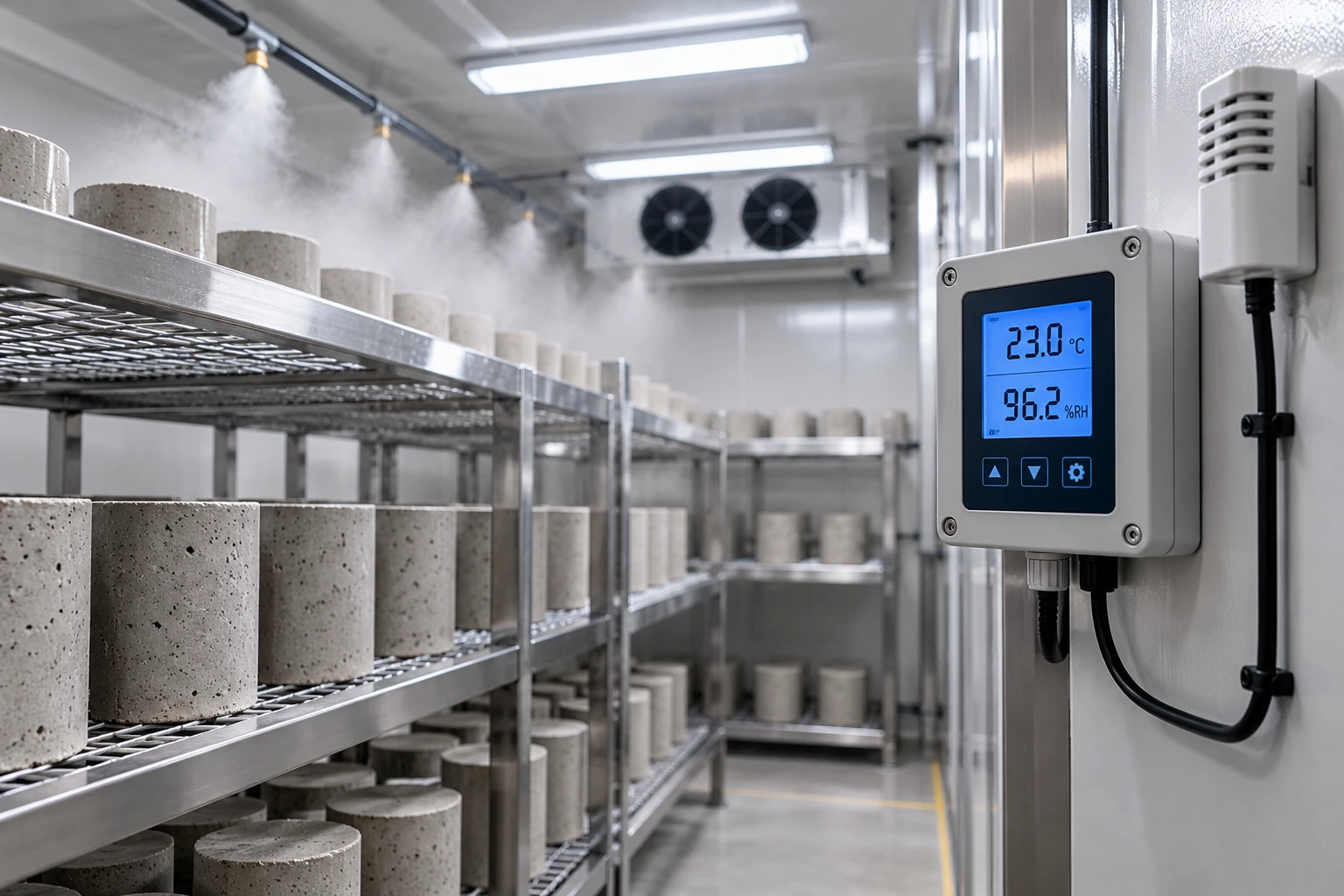
Clay and concrete tiles: Tile roofing is used in many areas of Southern California.When concrete is used in roof decks or supporting structures, appropriate concrete testing equipment can help assess its strength and verify whether it meets the specified requirements. These materials can provide long service lives, however the weight, strength, water absorption and crack resistance of the materials should be taken into account when choosing materials for any specific building.
Metal roofing: Metal systems can offer durability and reflectivity based on the material and coating. Some factors that will be taken into consideration for quality are: Corrosion resistance, coating, fastening system, and compatibility of parts.
Roofing membranes: Flat and low slope roofs typically employ a specialized membrane that will reduce water penetration. For these systems, the integrity of the seam, flexibility of the material, and resistance to weather exposure are important factors.
Choosing appropriate materials is not as simple as merely comparing prices. Before purchasing, builders should consider product specifications, applicable building codes, manufacturer's recommendations and pertinent test documentation.
How Testing Supports Construction Quality Control
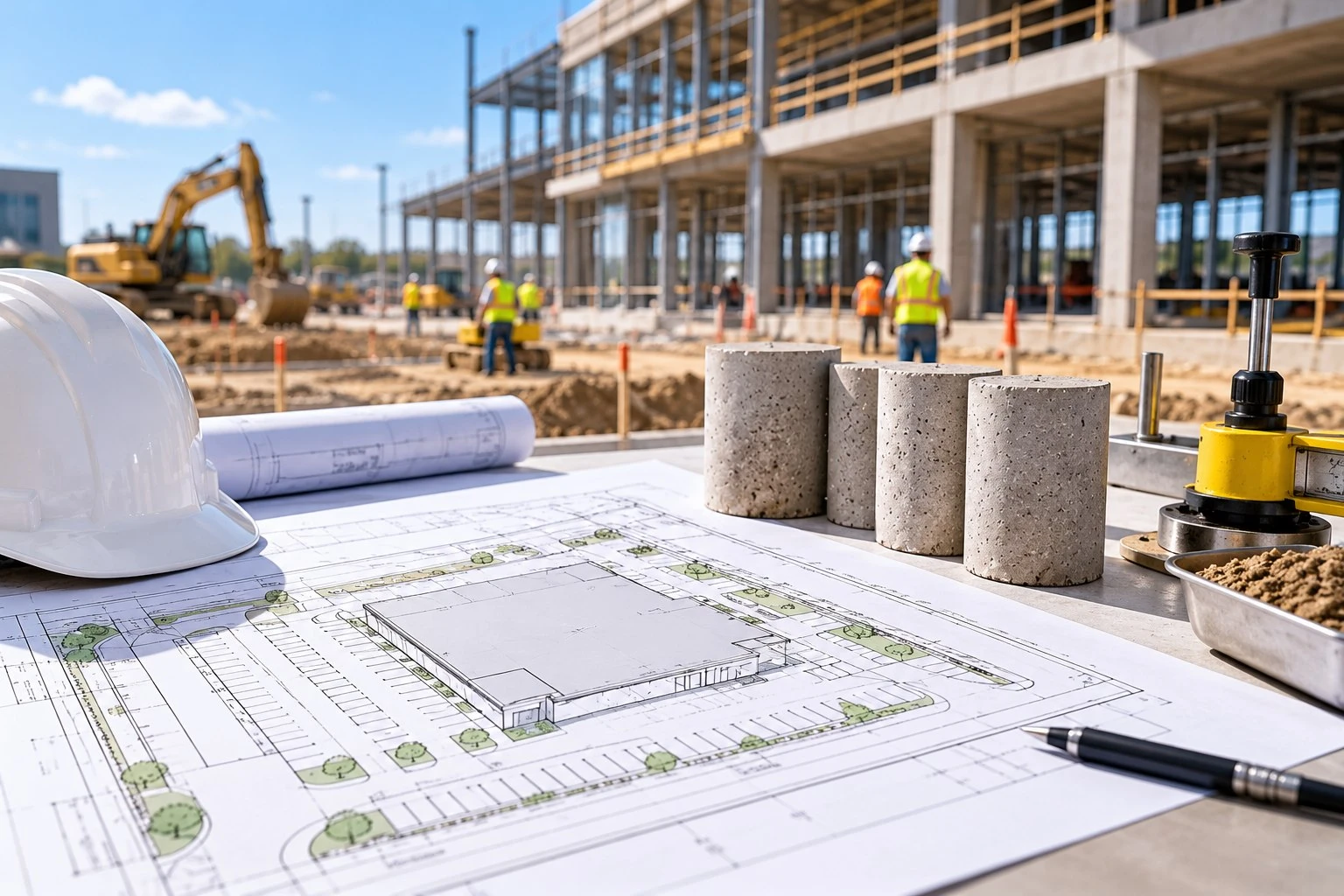
Construction quality control is about checking the accuracy of materials and construction methods to be sure they will work as intended. Testing plays a crucial role in this process because it can identify material defects that cannot be detected by visual inspections. Depending on the project requirements, combining field and laboratory testing can help construction professionals evaluate material properties and identify potential quality issues.
The quality assurance can be as simple as reviewing the manufacturer certifications, inspecting the dimensions of the material, laboratory testing, or checking the products on delivery for damage depending on the project. When structural materials such as concrete, masonry, steel, and other materials are part of the roof structure or supporting framework of the building, they may need to be tested.
For instance, the concrete roof deck should be able to deliver the necessary performance, and the supporting elements should be sufficiently strong and durable. Testing and inspection are used to help ensure that these materials are fit for the purpose they are intended for. When aggregates are used in concrete or supporting construction layers, appropriate aggregate testing equipment can help assess particle-size distribution and other properties relevant to material specifications.
A quality control process that is consistent can also enhance communication between the architect, the engineer, the contractor, the supplier and property owner. A clear understanding of material requirements allows the identification of issues at an early stage and can help minimize issues when they do arise in the completed building.
The Importance of Professional Roofing Installation
No matter how good a product is, it is unlikely to perform well if it is not installed properly. Poor flashing details, poor drainage, inappropriate fasteners and poorly-sealed joints can all leave room for water intrusion. As moisture penetrates insulation and overtime, it can cause building member failure, mold growth, and costly repairs.
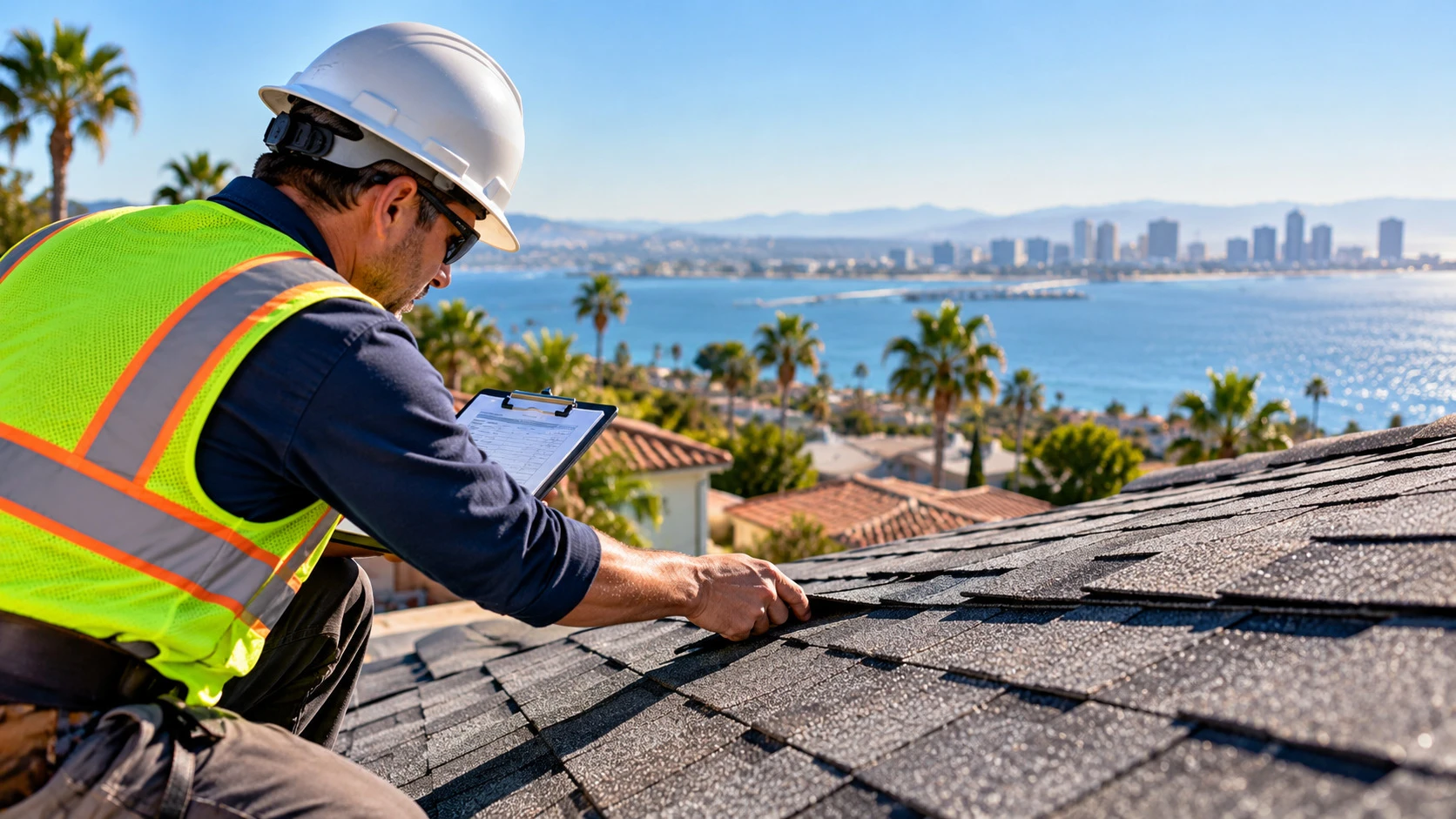
When planning a roofing project, homeowners should take into account the quality of the materials as well as the contractor's experience. By researching and evaluating with experienced roofers San Diego homeowners can better grasp the roofing needs in their area, compare roofing material choices and plan for proper installation and maintenance.
Property owners should check the contractor's licenses and insurance (if applicable), obtain written estimates, check references, and ensure the materials will work on the property. They should also inquire of the contractor how they will deal with flashing, ventilation, drainage and manufacturer warranties.
These measures set expectations and minimize risk of workmanship related issues.
San Diego's Climate and Long-Term Roof Performance
The climate in San Diego has several factors that effect the quality of roofing. Some roofing products may age faster when exposed to longer duration of sun, and some metal parts can be exposed to corrosive conditions in coastal environments. During the rainy season, rain can show up where drainage issues, flashing, or waterproofing might be inadequate.
The selection of materials must consider the location, roof slope, building design and exposure to environmental conditions of the property. Roofing materials with a high reflectance could be used to help minimize heat absorption, and corrosion-resistant materials are suitable for applications in areas with salty, coastal air.
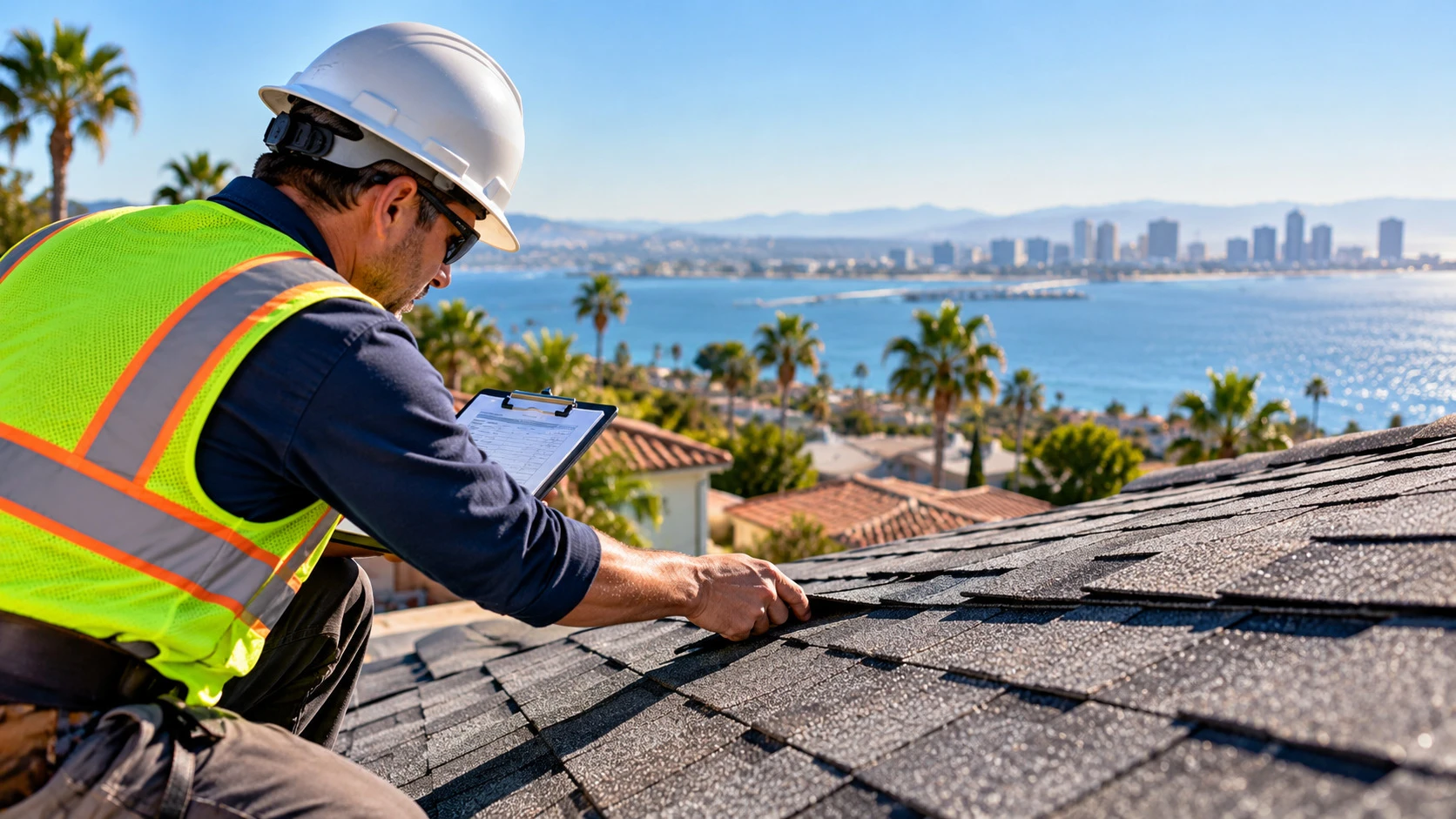
Regular checks are also crucial. Property owners should inspect for broken or loose tiles, worn out sealants, broken flashing, water on the ground, and moisture in the building. A professional inspection might be necessary after an occurrence of severe weather to determine the extent of the damage when it may not have been noticed.
While no test can eliminate all roofing risks, the use of appropriate materials, inspections, and the proper installation of the roofing system can enhance its reliability. For projects involving concrete structures, appropriate concrete testing equipment can help construction professionals evaluate material strength and verify compliance with project specifications.
Building a Stronger Quality Assurance Process
The key to a successful roofing project is clear specifications, the procurement of materials, installation of the roof and finally an inspection of the work. Documentation must be retained by contractor to confirm that products are suitable for projects, and that the required inspections have been carried out.
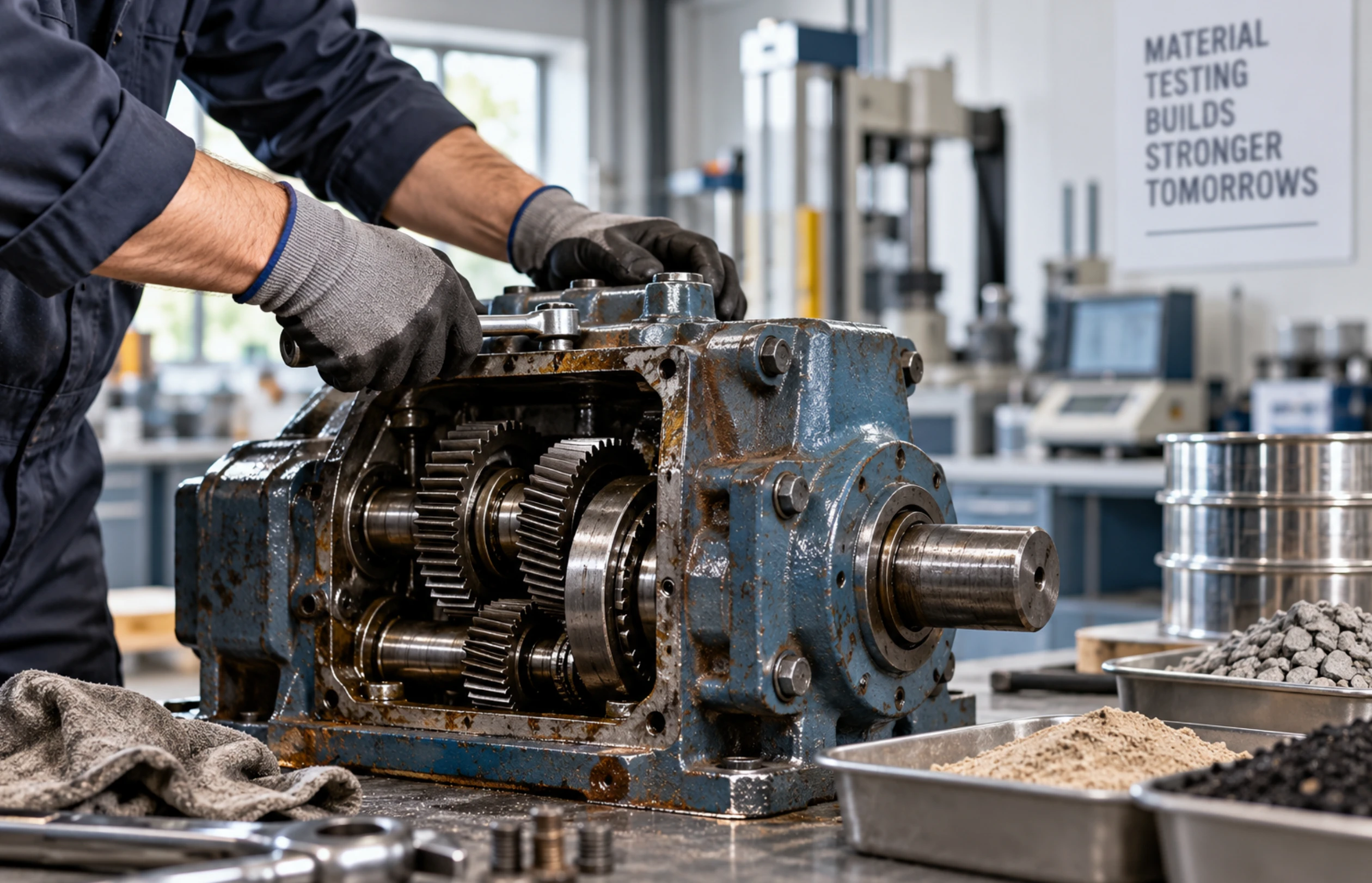
Independent materials testing laboratories can, where applicable, give objective data on the properties of construction materials. Their results can assist engineers and project managers in determining if a product conforms to standards, in researching defects, or in deciding on the use of other products. Selecting suitable construction materials testing equipment helps laboratories and construction teams assess material properties and support consistent quality-control procedures.
Property owners also have a role to play, keeping installation records, warranties, inspection reports and maintenance schedules. These documents are helpful to consider when planning repairs, assessing performance or planning future renovations.
Conclusion
Durability of roof depends on the quality of materials, installation and maintenance. Construction materials testing helps enable better decision-making by the construction professional, allowing them to determine the properties of the materials and look for any potential concerns before they become an expensive issue.
When planning a roofing project, property owners should consider material quality, installation standards, and long-term maintenance. Working with experienced roofing contractors in San Diego can help homeowners understand local climate challenges, compare suitable roofing materials, and plan for appropriate repairs and inspections.