Concrete Pouring Process: Essential Construction & Testing Equipment Guide
Apr 08, 2026
Concrete is one of the most widely used construction materials in the world, forming the foundation of everything from residential driveways to large-scale infrastructure projects. While it may seem straightforward, the concrete pouring process requires careful planning, precision, and the right combination of construction equipment and testing equipment to ensure long-lasting results. From preparation to curing, each step plays a vital role in determining the strength and durability of concrete.
Site Preparation: The Foundation of Quality Concrete
The process begins with proper site preparation, which sets the stage for a successful pour. The ground must be cleared of debris, leveled, and compacted to create a stable base. Formwork installation is then carried out to define the shape and boundaries of the concrete. This formwork must be secure and properly aligned, as any movement during the pour can lead to structural imperfections or material loss.
Concrete Mixing: Achieving the Right Balance
Once the site is ready, attention shifts to concrete mixing. Achieving the correct balance of cement, water, and aggregates is crucial, as this determines the workability of concrete and its final strength. Whether mixed on-site or delivered via ready-mix trucks, consistency is key. Excess water can weaken the structure, while insufficient water can make the mix difficult to handle.
Transporting Concrete Efficiently
After mixing, the concrete must be transported efficiently to the pouring location. Timing is critical at this stage, as fresh concrete begins to set soon after mixing. Delays can affect its workability and lead to uneven application. Depending on the project size, contractors may use wheelbarrows, buckets, or advanced concrete pumps to ensure smooth delivery.
Concrete Pouring: Precision in Placement
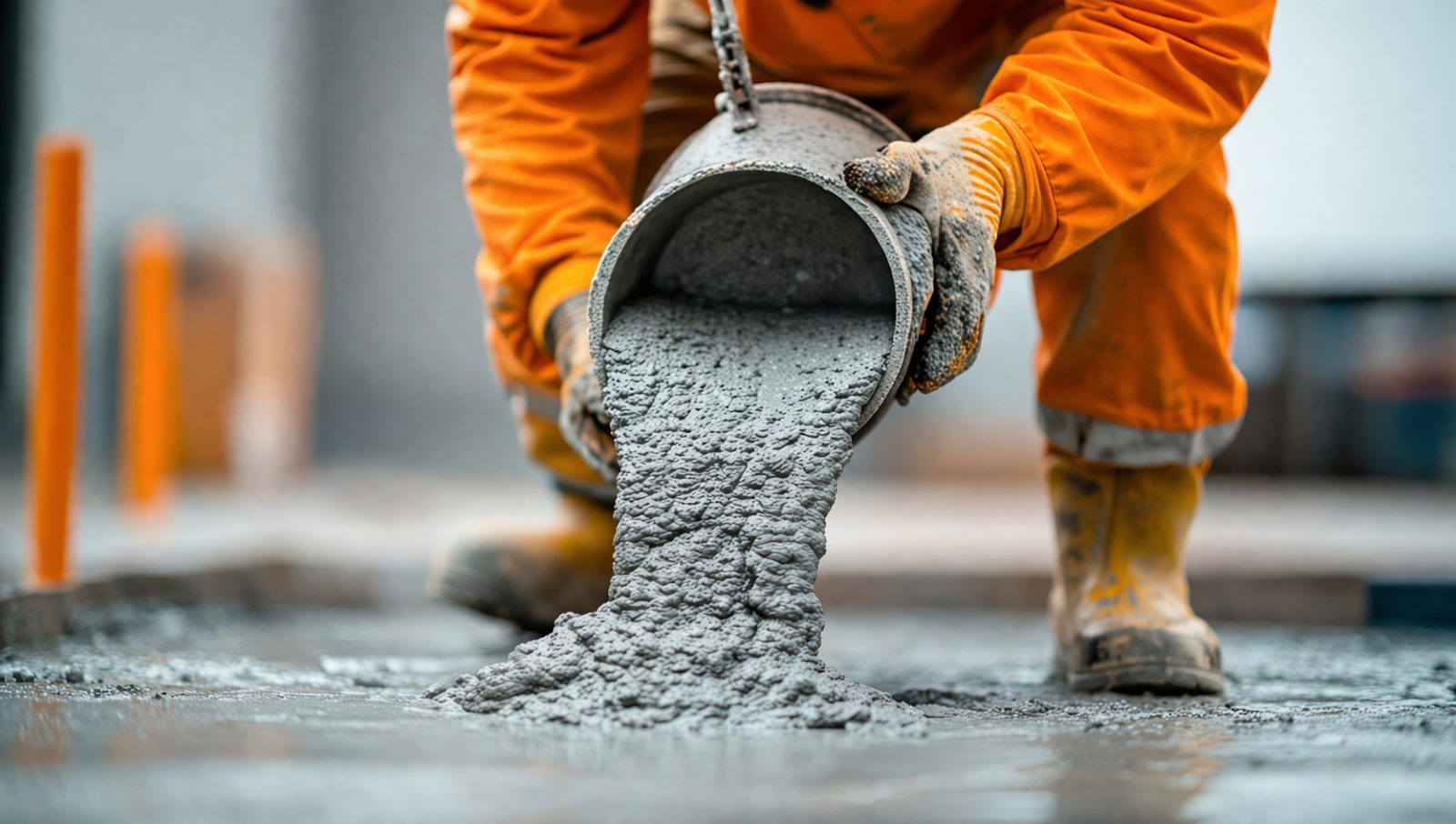
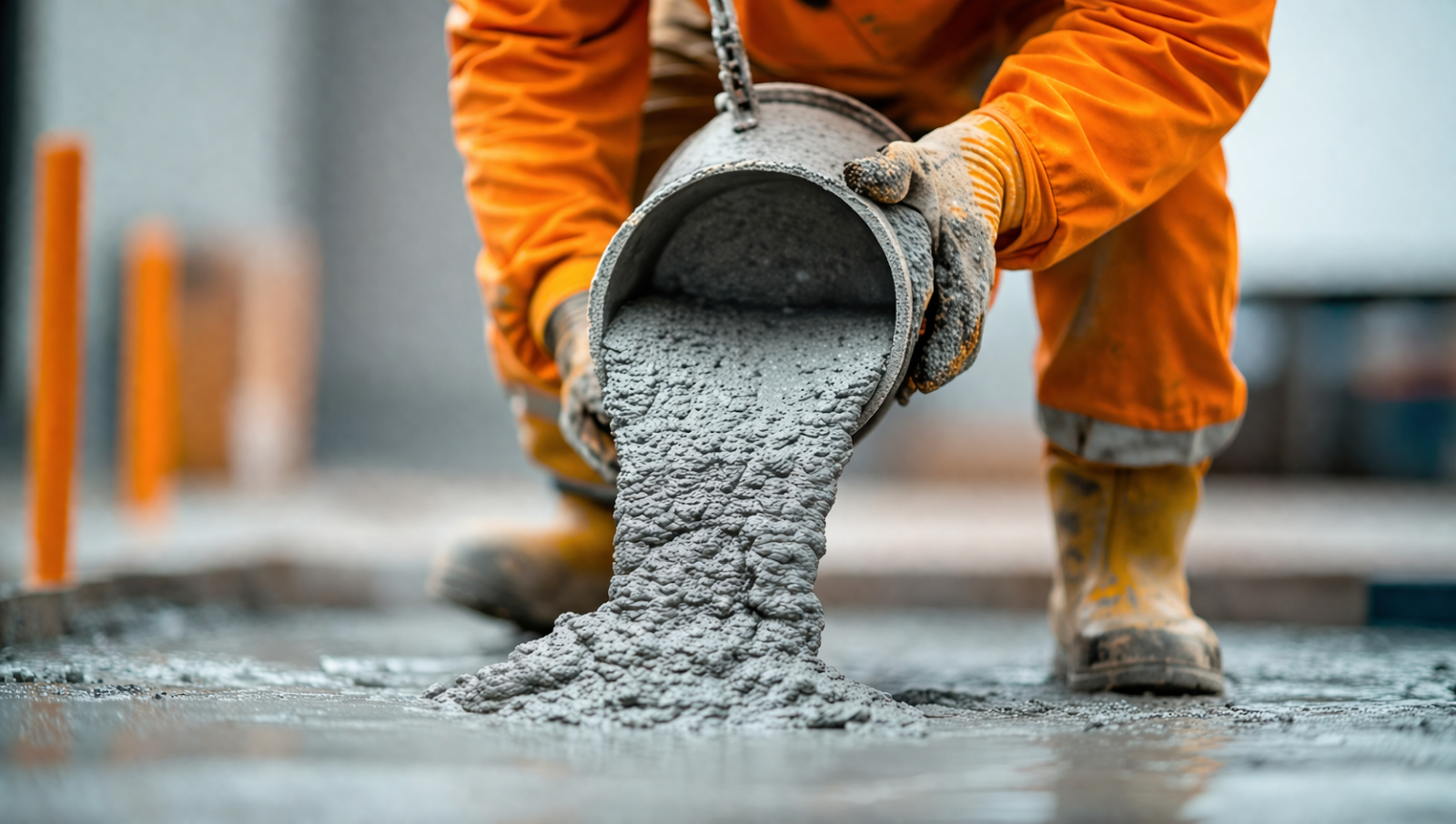
The concrete pouring process is where precision becomes essential. Concrete should be placed steadily and evenly into the prepared forms to prevent segregation of materials. Pouring in layers helps maintain uniformity and reduces weak spots. Avoiding excessive drop height is also important to preserve the consistency of the mix.
Compaction: Eliminating Air Voids
Once the concrete is in place, concrete compaction is necessary to remove trapped air pockets that can weaken the structure. This is typically done using concrete vibrators, which help the mix settle and improve density. Proper compaction enhances bonding and significantly increases the durability of concrete structures.
Finishing: Surface Quality and Performance
After compaction, the surface is refined through concrete finishing techniques. Tools such as screeds, floats, and trowels are used to level and smooth the surface. This step improves both the appearance and functionality of the concrete, especially in applications where a uniform finish is essential.
Curing: Ensuring Strength Development
Concrete curing is one of the most critical stages in the process. It involves maintaining adequate moisture and temperature conditions to allow the concrete to achieve its intended strength. Without proper curing, the concrete may develop cracks and lose durability. Techniques such as water curing, covering with wet materials, or applying curing compounds are commonly used.
Concrete Testing Equipment: Ensuring Quality and Compliance
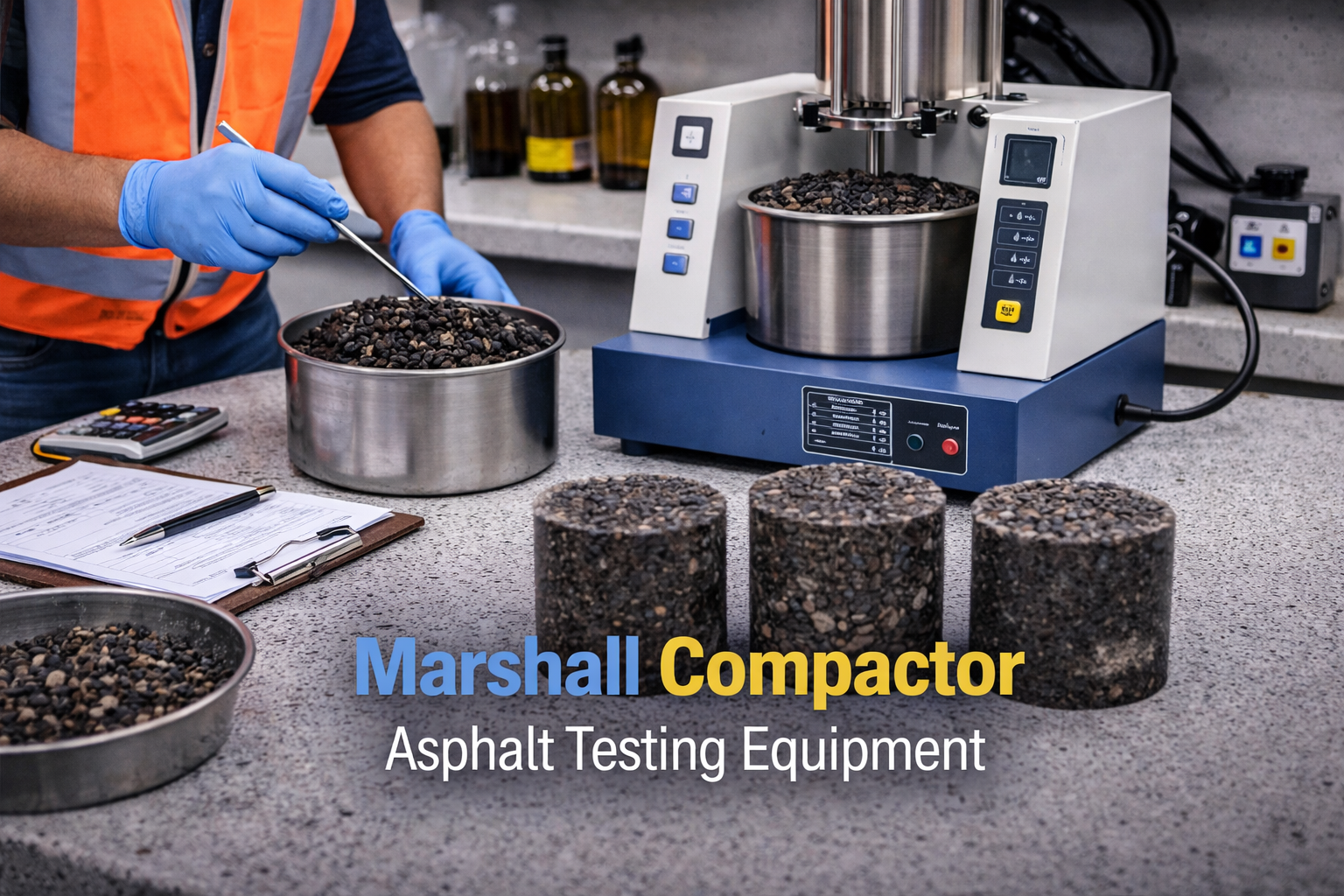
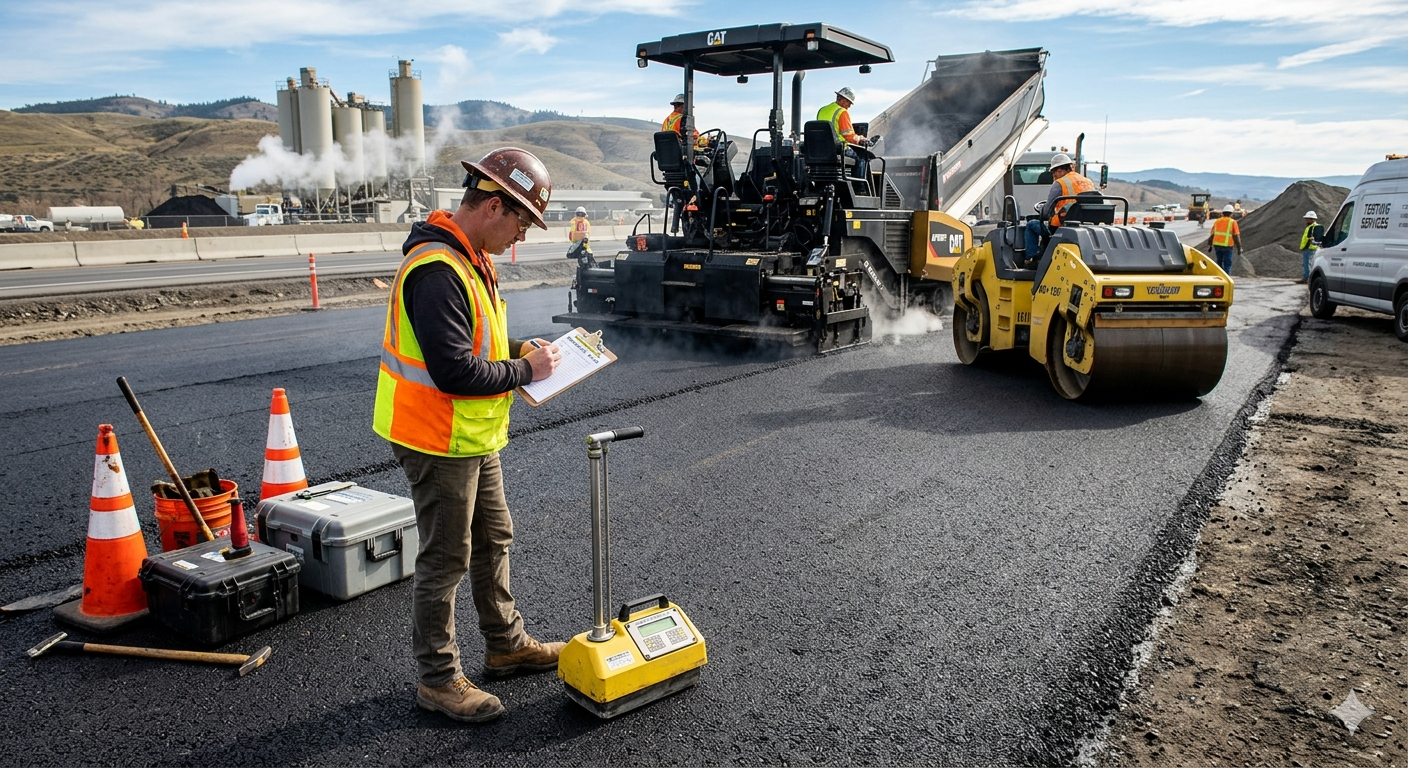
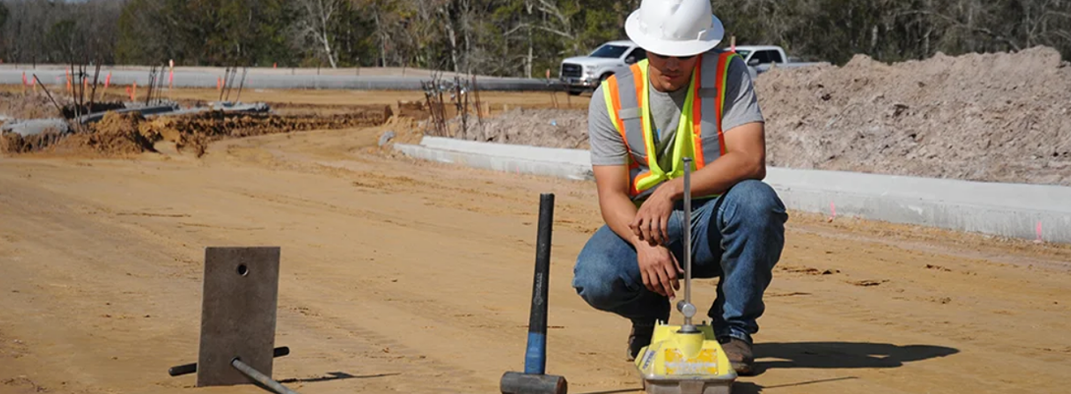
In addition to the physical process, concrete testing equipment plays a vital role in ensuring quality and compliance with industry standards. Testing helps verify that the concrete meets required specifications for strength, consistency, and durability.
For instance, slump test equipment is used to measure the workability of fresh concrete, ensuring the mix is neither too dry nor too fluid. Air content testers help determine the amount of air entrained in the concrete, which is crucial for durability in varying environmental conditions. Meanwhile, compression testing machines evaluate the compressive strength of concrete, providing essential insights into structural performance.
Temperature and moisture also significantly impact concrete quality. Tools like concrete thermometers and moisture testing equipment help maintain optimal conditions during mixing and curing, preventing issues that could compromise the structure.
Why the Right Equipment Matters
Using the right construction tools and material testing equipment ensures efficiency, accuracy, and consistency throughout the project. High-quality equipment minimizes errors, reduces material waste, and improves overall performance. For contractors and engineers, investing in reliable tools is essential for delivering projects that meet both safety standards and client expectations.
Conclusion: Building Stronger Structures with the Right Approach
The concrete pouring process is a combination of proper technique, careful timing, and the use of appropriate equipment. Each stage from site preparation to curing and testing must be executed with precision to achieve optimal results. By prioritizing quality and using reliable concrete testing tools, professionals can ensure their structures are strong, durable, and built to last.