Marshall Compactor in Asphalt Testing: A Complete Guide to Accurate Mix Design and Pavement Performance
Mar 30, 2026
In the world of asphalt construction and pavement engineering, precision is everything. Every road, highway, or parking lot must be designed to withstand heavy loads, environmental stress, and long-term wear. Achieving this level of durability begins long before asphalt is laid; it starts in the laboratory with proper testing and compaction. Among the most critical tools used in this process is the Marshall Compactor.
Widely regarded as a cornerstone of asphalt mix design, the Marshall Compactor plays a vital role in determining the strength, stability, and durability of asphalt mixtures. Whether used in research laboratories or quality control facilities, this equipment ensures that asphalt mixtures meet industry standards and perform reliably under real-world conditions.
What is a Marshall Compactor?
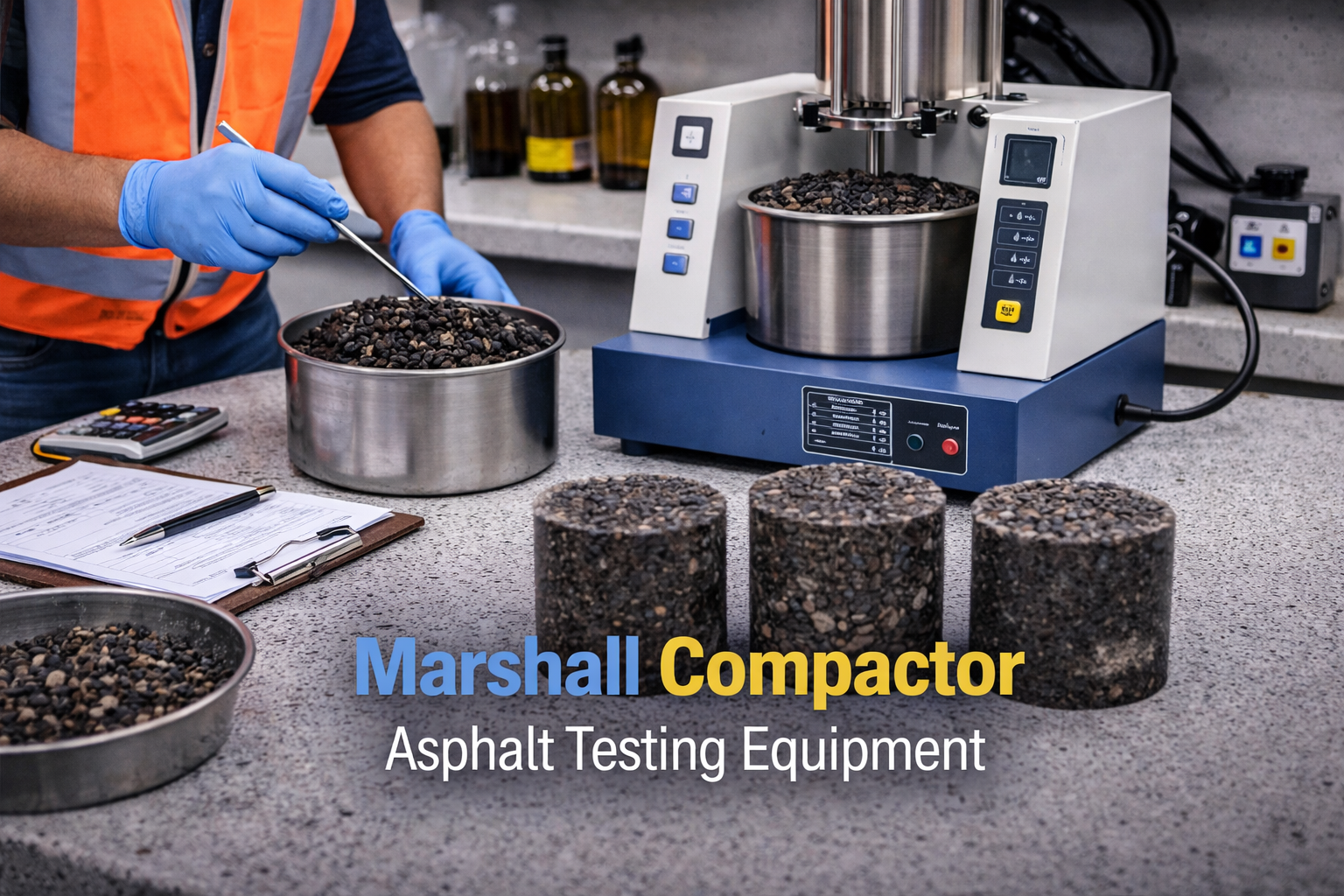
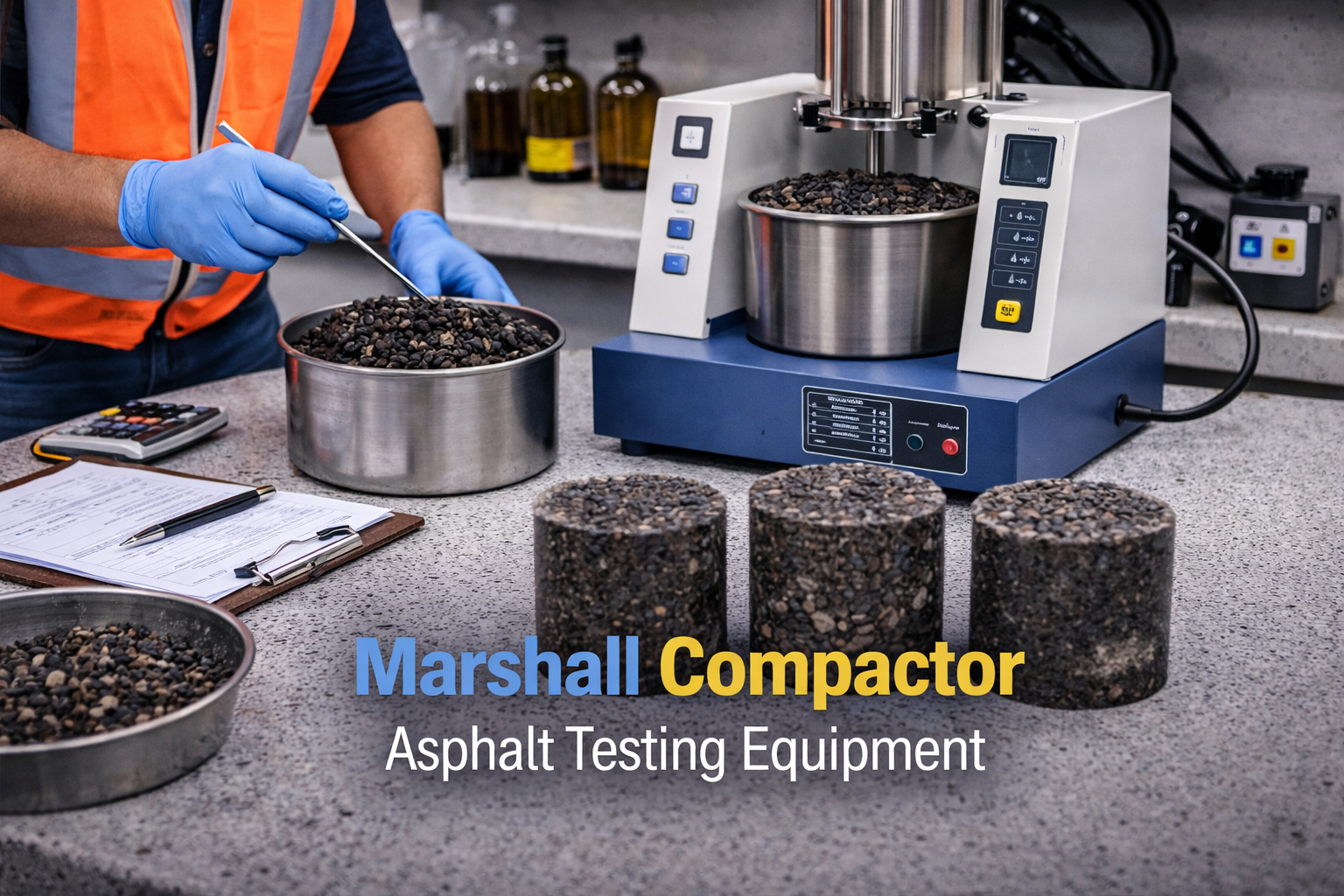
A Marshall Compactor is a specialized piece of asphalt testing equipment used to prepare compacted asphalt specimens for the Marshall Stability Test. This test evaluates the load-bearing capacity and flow characteristics of asphalt mixtures, helping engineers determine whether a mix is suitable for construction.
The compactor works by applying a series of controlled blows to an asphalt sample placed in a mold. This process simulates the compaction that occurs during pavement construction, allowing engineers to analyze how the material will behave under traffic loads.
Modern Marshall Compactors, such as those available on Certified MTP, are designed for precision and efficiency. Many models feature automated systems that control the number of blows, ensuring consistent and repeatable results across multiple samples.
Why Marshall Compaction is Critical in Asphalt Testing
The performance of asphalt pavements depends heavily on how well the material is compacted. Improper compaction can lead to issues such as rutting, cracking, and premature failure. The Marshall Compactor helps eliminate these risks by providing a standardized method for preparing test specimens.
Through this process, engineers can evaluate key properties such as stability, flow, density, and air voids. These parameters are essential for designing asphalt mixtures that can withstand both traffic loads and environmental conditions.
The Marshall method is widely used across the industry because it offers a reliable and cost-effective way to assess asphalt performance. It remains one of the most trusted testing methods for both laboratory analysis and quality control.
How a Marshall Compactor Works
At its core, the Marshall Compactor operates on a simple yet highly effective principle. An asphalt sample is placed inside a cylindrical mold, and a hammer repeatedly drops onto the sample from a fixed height. This action compacts the material layer by layer, mimicking the forces applied during field compaction.
In automatic models, the process is controlled digitally, allowing users to preset the number of blows. The machine then performs the compaction cycle and stops automatically once the desired level is achieved. This ensures consistency and reduces human error.
Key components of a typical Marshall Compactor include:
- A compaction hammer (usually 10 lb)
- A mold assembly for holding the asphalt sample
- A base pedestal for stability
- A digital counter or control system
- A rotating or indexing base for uniform compaction
The combination of these components allows the compactor to produce uniform specimens that accurately represent real-world asphalt conditions.
Types of Marshall Compactors Available
Marshall Compactors are available in several configurations to suit different testing needs. The choice of equipment depends on the scale of operations, laboratory requirements, and desired level of automation.
Automatic Marshall Compactors
Automatic compactors are the most advanced option, designed for high efficiency and precision. These machines can compact multiple specimens simultaneously and are equipped with digital controls for accurate operation.
For example, some models can compact two or even three specimens at once, significantly improving productivity in busy laboratories.
Manual Marshall Compactors
Manual compactors are more traditional and require the operator to control the compaction process. While they are more affordable, they may introduce variability due to human involvement.
Single, Double, and Triple Mold Compactors
Marshall Compactors are also categorized based on the number of molds they can handle:
- Single mold compactors for smaller-scale testing
- Double mold compactors for moderate workloads
- Triple mold compactors for high-volume laboratories
This flexibility allows laboratories to choose equipment that aligns with their testing demands.
Applications of Marshall Compactors in Asphalt Testing
Marshall Compactors are used across a wide range of applications in asphalt testing and pavement engineering. Their primary role is in mix design, but their importance extends far beyond that.
They are commonly used for:
- Determining optimum asphalt binder content
- Evaluating stability and flow of asphalt mixtures
- Measuring density and air voids
- Conducting quality control tests during production
- Supporting research and development of new asphalt mixes
By providing accurate and repeatable compaction, these machines help ensure that asphalt mixtures meet both performance expectations and regulatory standards.
However, effectively interpreting these test results and applying them in real-world scenarios requires a strong understanding of underlying engineering principles. Accurate results in Marshall compactor testing depend not only on proper equipment but also on a solid understanding of mix design principles, compaction techniques, and pavement performance evaluation. Many students and professionals often face challenges in interpreting test data and applying it effectively in real-world projects. In such cases, getting expert guidance through online tutoring support for civil engineering students from platforms like My Engineering Buddy can be highly beneficial. Additionally, since concepts like stress, flow behavior, and material response play a crucial role in asphalt performance, learners can also benefit from specialized help in fluid mechanics and dynamics through My Physics Buddy, which strengthens the theoretical foundation behind pavement engineering concepts.
Benefits of Using a Marshall Compactor
The use of a Marshall Compactor offers several advantages that make it indispensable in asphalt testing laboratories.
One of the most significant benefits is consistency. Automated compactors eliminate variability, ensuring that every sample is prepared under identical conditions. This leads to more reliable test results and better decision-making.
Another key advantage is efficiency. Modern compactors can process multiple samples simultaneously, reducing testing time and increasing productivity. This is especially valuable in high-demand environments where quick turnaround is essential.
Additionally, Marshall Compactors contribute to cost savings. By identifying potential issues in asphalt mixtures before construction, they help prevent costly repairs and maintenance in the future.
Key Features to Look for in a Marshall Compactor
When selecting a Marshall Compactor, it is important to consider features that enhance performance, accuracy, and ease of use.
Some of the most important features include:
- Automated operation for consistent results
- Digital control systems for precise blow count
- Durable construction for long-term reliability
- Multiple mold capacity for increased productivity
- Compliance with ASTM and AASHTO standards
High-quality compactors are designed to withstand heavy use while maintaining accuracy over time. Investing in reliable equipment ensures better testing outcomes and long-term value.
The Role of Marshall Compactors in Quality Control
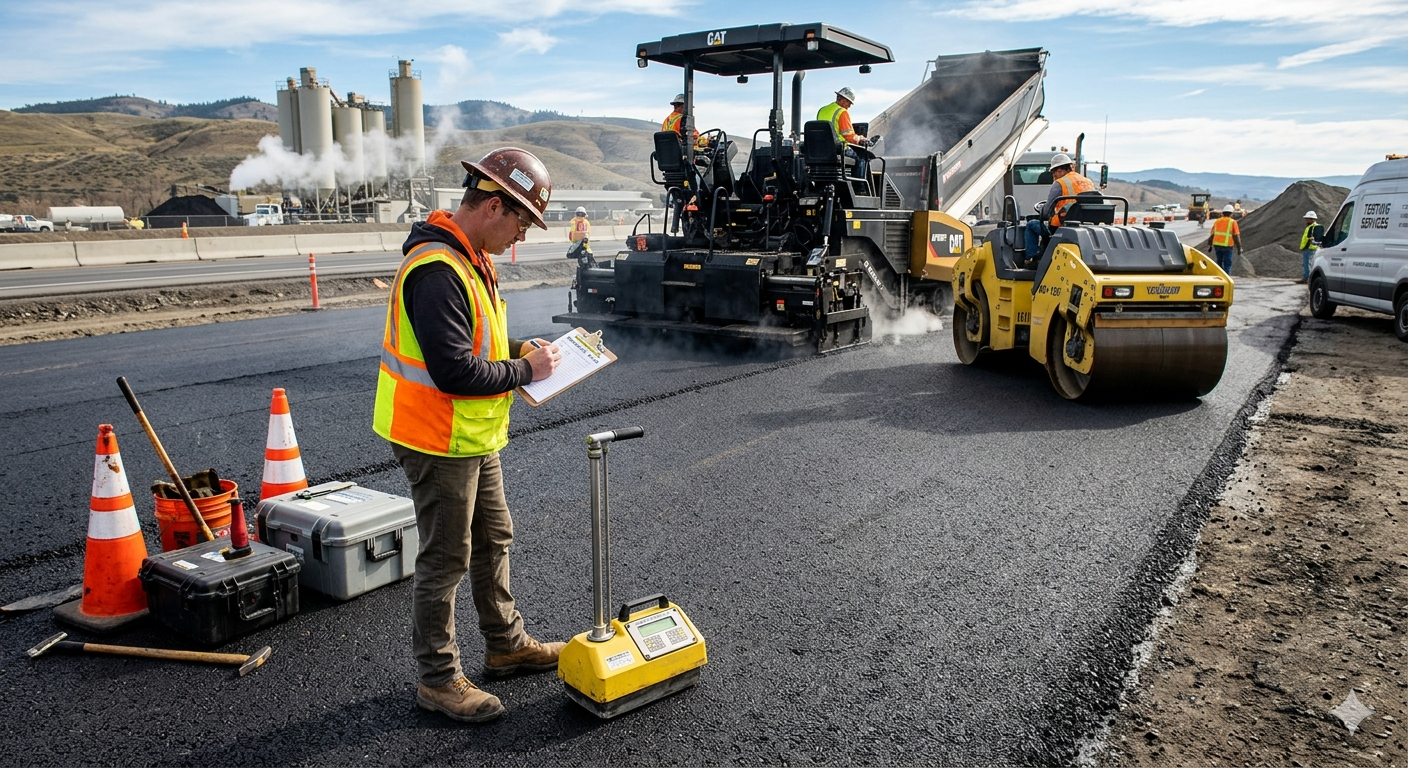
Quality control is a critical aspect of any construction project, and asphalt paving is no exception. Marshall Compactors play a central role in this process by ensuring that asphalt mixtures meet the required specifications before they are used in the field.
By testing samples during the mix design phase, engineers can optimize the composition of the asphalt. During production, additional testing ensures that the material remains consistent and meets performance standards.
This proactive approach helps prevent common pavement issues such as rutting, cracking, and moisture damage. It also ensures compliance with industry standards, reducing the risk of project delays or failures.
Maintenance and Best Practices
To ensure accurate and reliable results, Marshall Compactors must be properly maintained. Regular maintenance not only extends the life of the equipment but also ensures consistent performance.
Some best practices include:
- Cleaning the machine after each use
- Regularly inspecting moving parts for wear
- Calibrating the equipment periodically
- Replacing worn components such as hammers or molds
- Training personnel on proper operation
Proper maintenance ensures that the compactor continues to deliver precise results, supporting high-quality asphalt testing over time.
The Future of Asphalt Compaction Testing
As technology continues to advance, Marshall Compactors are becoming more sophisticated. Modern machines are equipped with digital interfaces, automated controls, and enhanced safety features, making them more efficient and user-friendly.
In the future, we can expect further integration of data analytics and automation, allowing for even more precise testing and real-time monitoring. These advancements will help improve the accuracy of asphalt testing and contribute to the development of more durable and sustainable pavements.
Conclusion
The Marshall Compactor remains one of the most essential tools in asphalt testing and pavement design. By providing a standardized and reliable method for compacting asphalt specimens, it plays a crucial role in ensuring the quality and performance of asphalt mixtures.
From mix design to quality control, this equipment helps engineers create pavements that are strong, durable, and capable of withstanding real-world conditions. Investing in high-quality Marshall Compactors and following proper testing procedures is key to achieving long-lasting infrastructure.
In an industry where performance and reliability are paramount, the Marshall Compactor continues to be a trusted solution for asphalt testing professionals.