Behind Every Strong Structure: The Role of Testing Equipment in Construction
Apr 14, 2026
When we admire towering skyscrapers, expansive highways, or beautifully constructed homes, it's easy to focus on their design and visual appeal. What often goes unnoticed, however, is the critical role played by construction material testing equipment in ensuring these structures stand strong over time. Behind every durable building lies a foundation of precise testing, careful analysis, and reliable data.
Construction is not just about assembling materials it is about understanding how those materials behave under stress, environmental conditions, and long-term use. This is where testing equipment becomes indispensable. It provides engineers and construction professionals with the insights needed to make informed decisions, ensuring safety, compliance, and performance.
The Importance of Testing in Modern Construction
In today’s construction landscape, accuracy is everything. Materials must meet strict standards to ensure they can withstand loads, weather changes, and long-term wear and tear. Testing equipment allows professionals to verify that materials such as soil, concrete, aggregates, asphalt, and cement meet required specifications before they are used in a project.
Without proper testing, construction would rely heavily on assumptions rather than measurable data. This can lead to structural weaknesses, unexpected failures, and costly repairs. By integrating reliable testing processes, construction teams can minimize risks and ensure consistent quality across every stage of a project.
Moreover, testing plays a key role in regulatory compliance. Industry standards such as ASTM and AASHTO require specific testing procedures to be followed. Using the right equipment ensures that projects meet these standards and pass inspections without delays.
Understanding Soil Before Building Begins
Every strong structure starts with a stable foundation, and that foundation depends entirely on the quality of the soil beneath it. Soil testing equipment helps engineers analyze properties such as density, moisture content, and load-bearing capacity. These factors determine whether the soil is suitable for construction or if it needs improvement.
By conducting thorough soil testing, engineers can prevent issues like uneven settling, foundation cracks, and structural instability. This early stage of testing sets the tone for the entire project, making it one of the most critical steps in construction.
Ensuring Concrete Strength and Performance
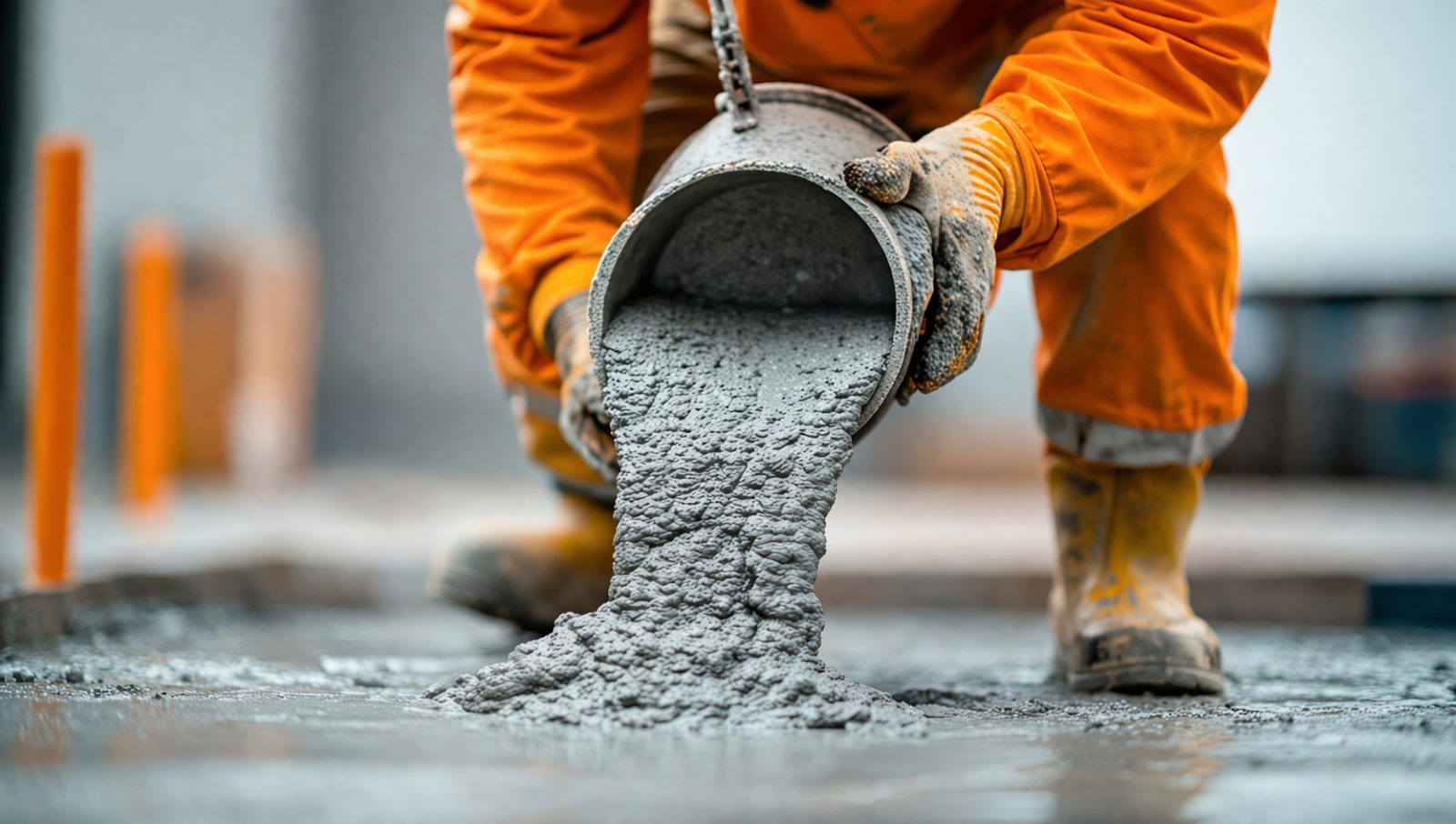
Concrete is one of the most widely used materials in construction, and its performance directly affects the durability of a structure. Testing concrete is essential to ensure it meets strength and workability requirements.
During the construction process, tests for concrete compressive strength, air content, and consistency are done. These tests help determine whether the mix is suitable for the intended application and whether it will perform well under load.
Without proper testing, concrete may develop cracks, lose strength over time, or fail to meet safety standards. By using reliable testing equipment, construction teams can identify potential issues early and make necessary adjustments before problems arise.
The Role of Aggregates in Structural Integrity
Aggregates may seem like simple materials, but they play a crucial role in the overall strength and stability of concrete and asphalt. Their size, shape, and composition can significantly impact the performance of the final structure.
Testing aggregates ensures that they meet required standards for durability, density, and moisture content. Proper analysis helps maintain consistency in mix designs and prevents issues such as segregation or weak bonding.
Accurate aggregate testing contributes to stronger, more reliable construction outcomes, reinforcing the importance of using high-quality testing equipment throughout the process.
Asphalt Testing for Durable Infrastructure
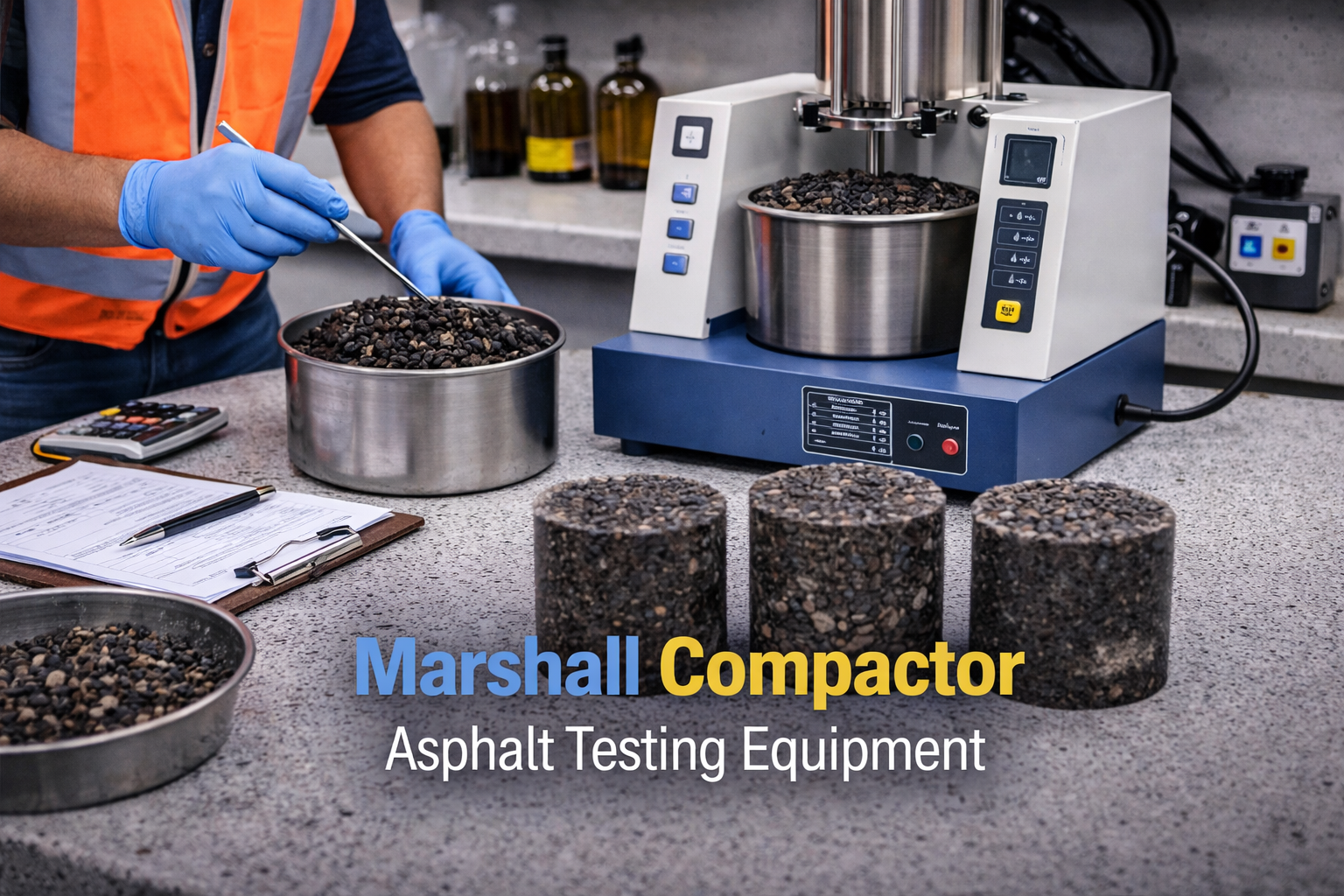
When it comes to roads and pavements, durability is key. Asphalt must be able to withstand heavy traffic, temperature fluctuations, and environmental stress. Testing equipment helps evaluate properties such as stability, flexibility, and resistance to deformation.
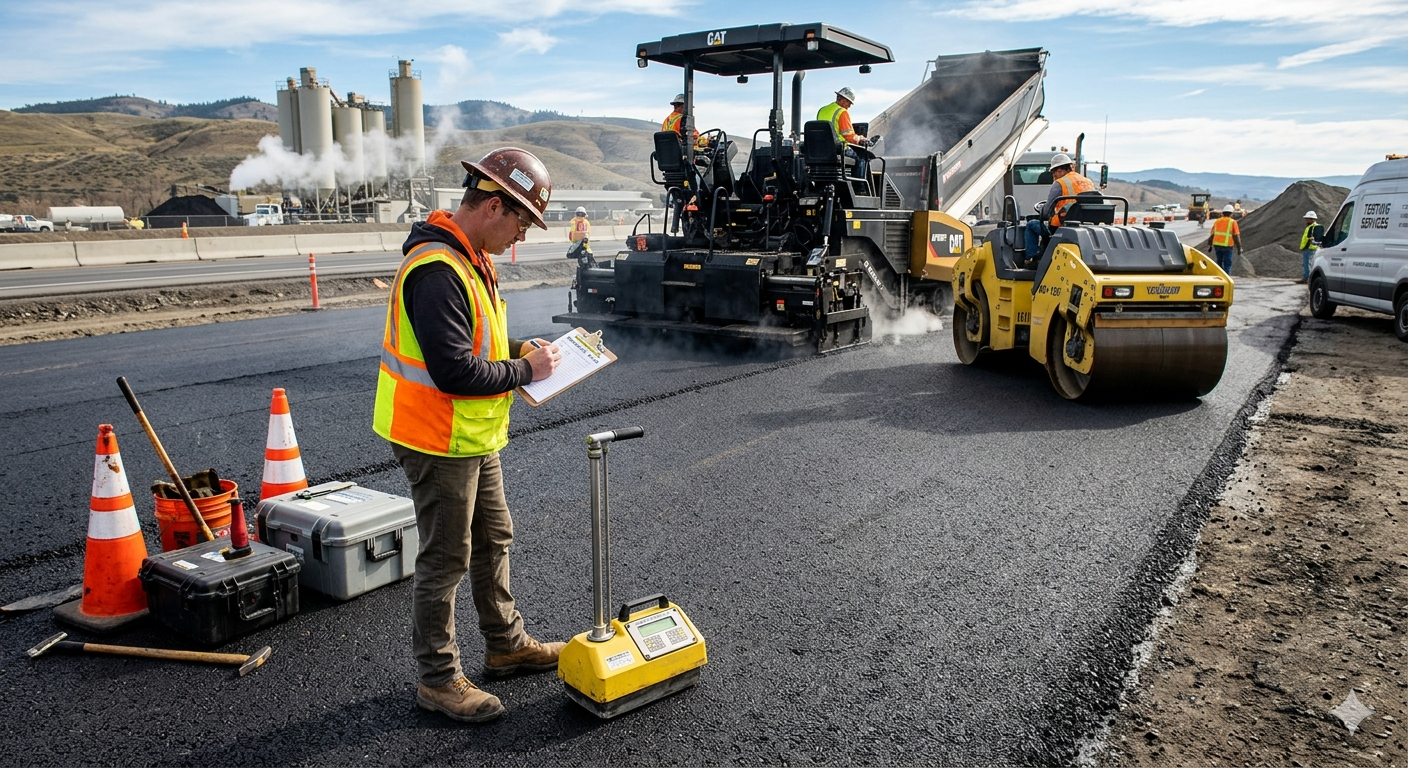
By analyzing asphalt before and during application, engineers can ensure that it will perform effectively over time. This reduces maintenance costs, improves safety, and extends the lifespan of infrastructure projects.
Reliable material testing equipment makes it possible to maintain consistent quality, even in large-scale paving operations.
Cement Testing: The Binding Force of Construction
Cement acts as the glue that holds construction materials together, making its quality essential for structural integrity. Testing cement ensures that it has the proper setting time, fineness, and strength characteristics needed for construction.
Inconsistent or poor-quality cement can lead to weak bonding, cracks, and long-term durability issues. By using precise testing methods, construction professionals can verify that cement meets required standards before it is used in any mix.
This level of quality control is crucial for maintaining the strength and reliability of structures over time.
Advancements in Construction Testing Technology
The construction industry has evolved significantly, and testing equipment has advanced alongside it. Modern tools now offer digital interfaces, automated data collection, and real-time analysis, making testing more efficient and accurate than ever before.
These innovations reduce human error and allow for better decision-making throughout the construction process. Portable testing equipment has also made it easier to conduct on-site analysis, providing immediate insights without the need for extensive lab setups.
As technology continues to improve, testing equipment will play an even greater role in enhancing construction quality and efficiency.
The Value of Investing in High-Quality Equipment
Investing in reliable testing equipment is not just about meeting requirements, it’s about ensuring long-term success. High-quality tools provide accurate results, reduce the risk of errors, and offer durability that withstands frequent use.
Choosing a trusted supplier is equally important. Platforms like Certified MTP offer a comprehensive selection of construction material testing equipment designed to meet industry standards and deliver consistent performance.
By investing in the right equipment, construction professionals can improve efficiency, maintain compliance, and build structures that stand the test of time.
Final Thoughts
Behind every strong structure lies a foundation of careful testing and precise measurement. Construction material testing equipment ensures that every component of a project meets the highest standards of quality and safety.
From soil analysis to concrete evaluation, each step in the testing process contributes to the overall success of a project. By prioritizing accurate testing and investing in reliable equipment, construction professionals can deliver results that are not only structurally sound but also built to last.
In an industry where precision is everything, testing equipment remains one of the most important tools for building a safer, stronger future.