Why Steel Can’t Replace Concrete Strength Testing
Aug 20, 2018
Using steel reinforcements for concrete structures has been one of the greatest engineering innovations for concrete construction. But, while rebar does add extra, critical strength to concrete, it cannot replace the necessity of proper concrete strength testing when building a new structure. Let's dig deeper into the importance of the concrete strength test.
Different Kinds Of Strength
Concrete reinforcement materials, such as steel rebar, and the concrete itself provide different kinds of strength to a structure. Concrete is a popular construction material for tall buildings because of its compressive strength, meaning its resistance to squeezing vertical forces like gravity and the weight of the structure itself.
Rebar and other steel reinforcements have tensile strength, meaning they resist bending and stretching. They can withstand the horizontal forces that concrete alone cannot handle as well. Together, concrete and steel reinforcements create a powerful foundation for buildings, bridges and other structures necessary for our country's infrastructure.
Reinforcement Doesn't Replace Strength
It may be tempting to perform concrete strength testing less when rebar is being used. However, a lack of strength testing can lead you to miss important weaknesses in your concrete. Weak concrete will not have the proper compressive strength needed for structures to last and will also be more prone to cracking. A condition informally known as "concrete cancer" may begin to blight even new concrete as water seeps into the cracks, begins to rust the rebar and cause further concrete deterioration through expansion and contraction as the weather changes.
Improper Testing Puts Lives At Risk
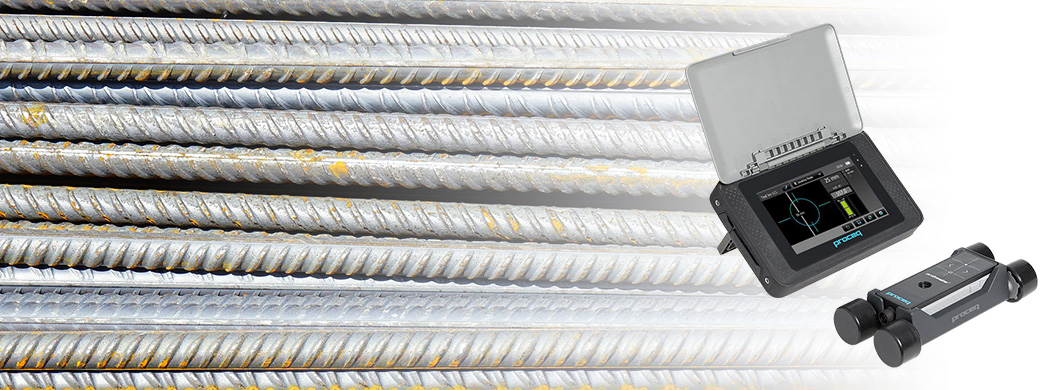
Having cracked concrete and exposed reinforcements poses an ethical concern. Several of the worst building and bridge collapses in the world have occurred due to poor concrete strength and inaccurate placement of concrete reinforcement bars. Concrete strength testing ensures the structure will be able to withstand the decades of compressive forces to come. Concrete reinforcement testing is also critical, as these tests inform contractors of the rebar's location within the concrete — and if it needs to be placed elsewhere to better distribute support for the structure.
Overall, concrete strength testing and concrete reinforcement testing should not be taken lightly. No matter the project, people's safety relies on the strength and vitality of your structure.
Find The Necessary Testing Equipment From Certified MTP
Certified Material Testing Products has all the necessary equipment for concrete strength testing, concrete reinforcement testing and much more. Whether you need to perform a slump test or determine the location of rebar within concrete that has already set, we have the device you need. Browse our full selection of equipment today.