What is the LA Abrasion Test?
Oct 28, 2019
Breaking Down the LA Abrasion Test
The LA Abrasion test is a widely used aggregate abrasion test that can be performed based on ASTM C 131 procedures. The test is designed to subject aggregates to abrasion and impact to predict how they might perform when they are used in an asphalt or concrete mix and laid at a construction site. When the test is complete, an abrasion value known as LA Abrasion loss is calculated in order to gauge the abrasion resistance of an aggregate sample. According to the test, the less loss occurs, the tougher an aggregate is.
It is important to note that the LA Abrasion test is empirical and can't always predict the field performance of an aggregate with complete accuracy. For example, slag and certain limestones tend to have high levels of LA Abrasion loss but deliver good results when implemented on-site.
The Micro-Deval test can be used for additional insight — it's simply the LA Abrasion test performed with a smaller drum and smaller spheres. The main difference between the two tests is that the LA Abrasion test generally breaks apart aggregates while the Micro-Deval test smooths and polishes them.
How to Perform the LA Abrasion Test
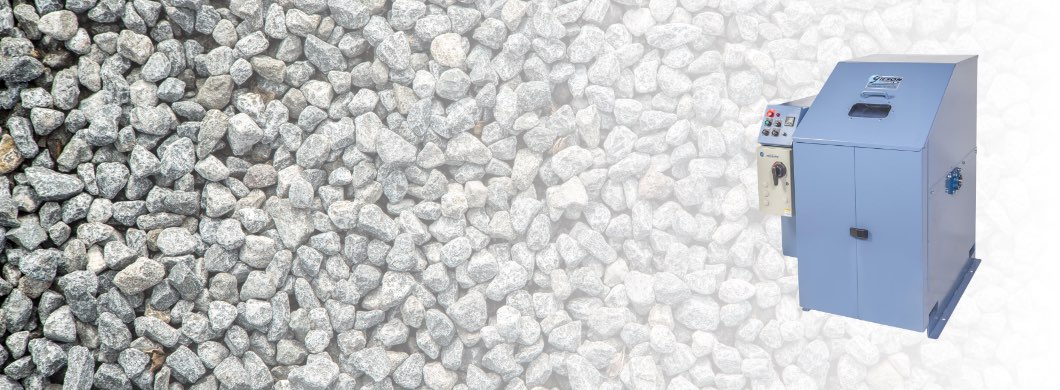
Only one piece of equipment is needed to perform the LA Abrasion test: an LA Abrasion machine. The abrasion testing machine consists mostly of a steel drum that rotates in order to stir up aggregates and several steel balls, known as a "charge." This main chamber is enclosed to contain the aggregate specimen being tested and to reduce noise.
LA Abrasion Test Procedure
- Break down the aggregate to specimen to a determined testing size.
- Wash the specimen and place in a drying oven overnight or until it reaches a constant mass.
- Place the aggregate specimen in the rotating chamber of the LA Abrasion machine along with the abrasive charge.
- Set the chamber to rotate between 30-33 rpm for around 15 minutes.
- Remove the specimen and wash over a No. 12 (1.70 mm) sieve.
- Place the specimen in a drying oven until it reaches a constant mass.
- Determine LA Abrasion loss value using the following equation:
- Loss = (Moriginal - Mfinal / Moriginal) x 100
In the equation above, Moriginal represents the original mass of the specimen while Mfinal represents the mass of the sample after the test. The value produced from the equation is your loss value, or the amount of specimen that passed through the sieve. In general, loss values between 25-55% (or 45%, in some states) are within the accepted range.
Find LA Abrasion Test Equipment & More at Certified MTP
Certified Material Testing Products carries a wide variety of abrasion machines and other aggregate equipment to test the quality and characteristics of aggregates for HMA, concrete mixtures and more. Find the right tools to deliver accurate results in your lab or on your jobsite with us today.