Why Soil Compaction Matters: Benefits & Best Practices
Jul 14, 2026
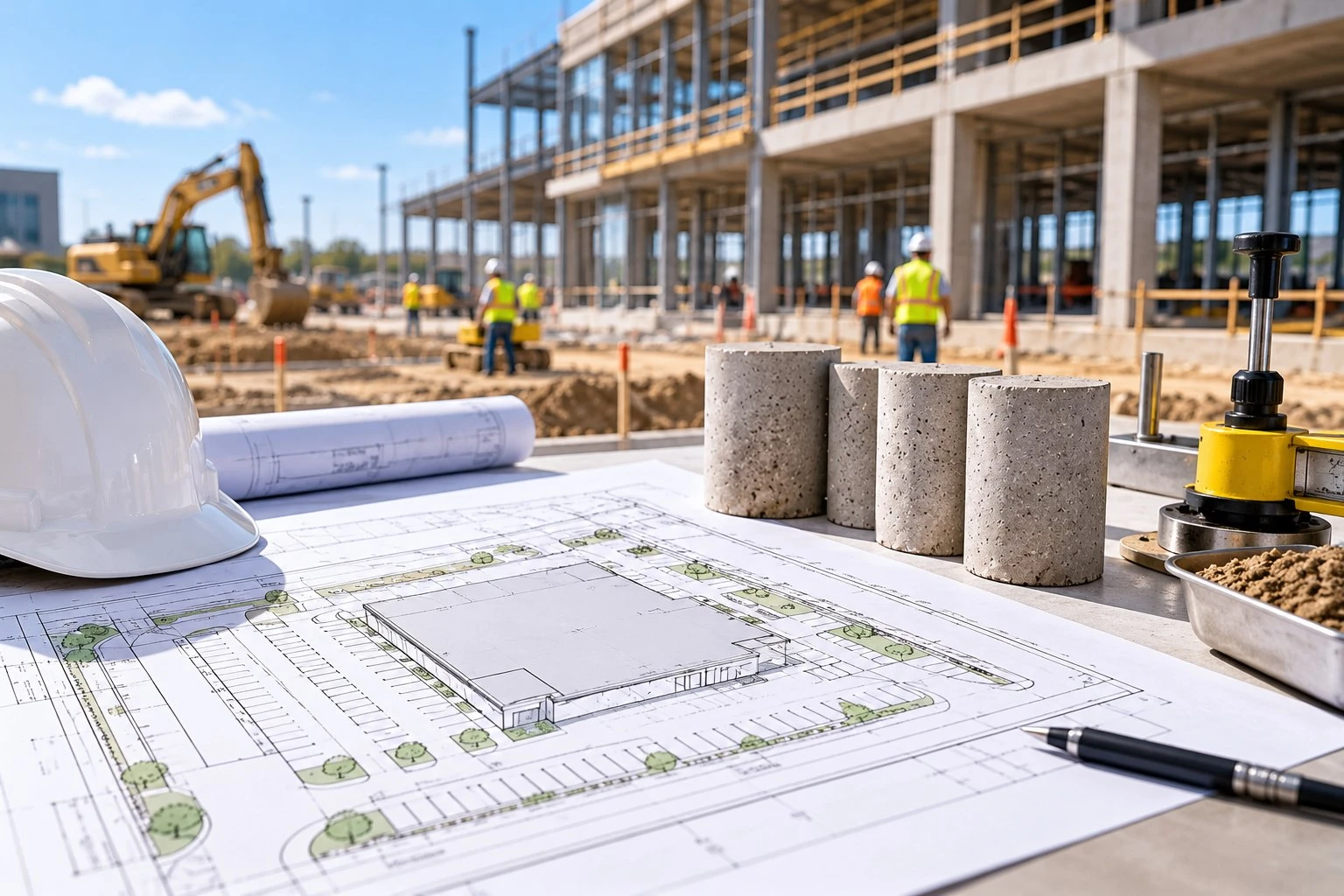
Every successful construction project begins long before concrete is poured or steel is erected. The condition of the ground beneath a structure determines how well it will perform over its lifetime. One of the most important steps in site preparation is soil compaction, a process that increases the density of soil by reducing the air spaces between soil particles. Although it may seem like a simple task, proper compaction plays a crucial role in ensuring the stability, safety, and longevity of buildings, roads, bridges, pavements, and other infrastructure.
When soil is not compacted correctly, it can settle unevenly under structural loads, leading to cracked foundations, damaged pavements, poor drainage, and expensive repairs. By understanding why soil compaction matters and following proven testing and construction practices, engineers and contractors can create stronger foundations that stand the test of time.
What Is Soil Compaction?
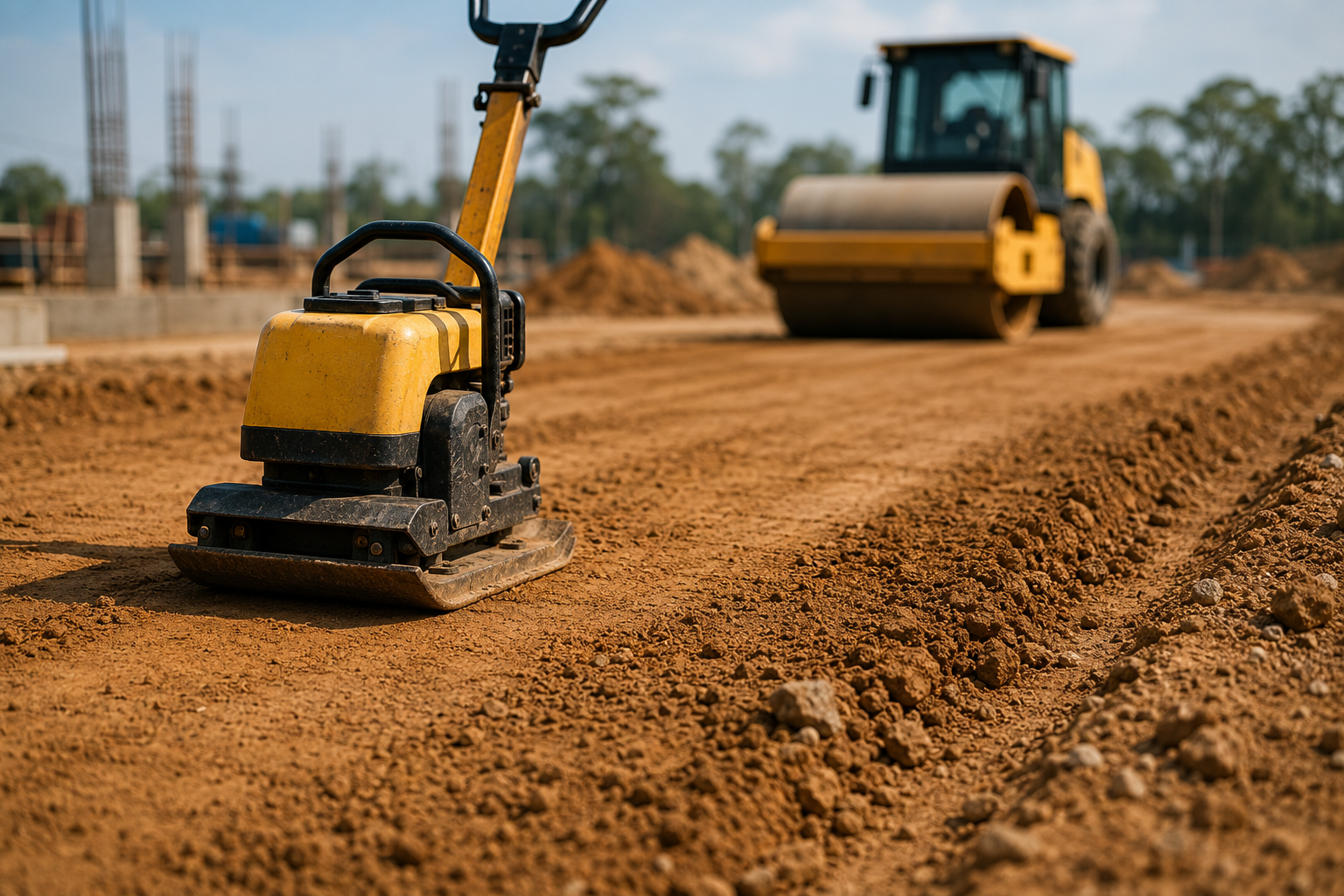
Soil compaction is the process of mechanically increasing the density of soil by applying pressure using rollers, rammers, plate compactors, or vibratory equipment. During this process, air voids between soil particles are reduced, allowing the particles to pack more closely together. The result is a stronger and more stable base capable of supporting the loads imposed by structures and traffic.
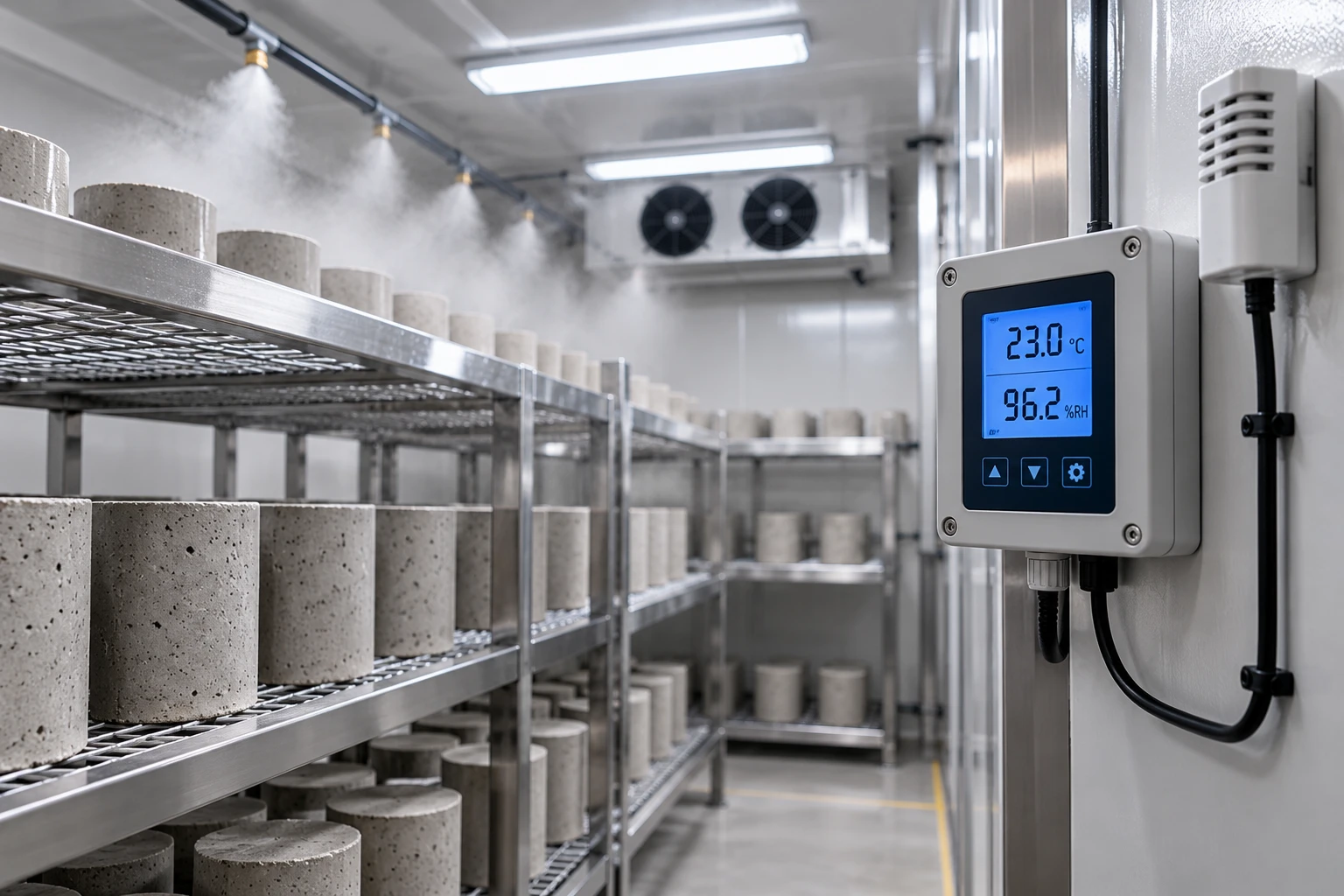
However, compaction is not simply about making the ground harder. Every soil type has unique engineering properties, and factors such as moisture content, soil classification, and compaction effort all influence the final result. To determine the ideal conditions for achieving maximum density, engineers commonly perform the Proctor Soil Compaction Test. This laboratory test establishes the maximum dry density (MDD) and optimum moisture content (OMC), providing a benchmark for field compaction.
Why Proper Soil Compaction Is Essential
A properly compacted foundation distributes structural loads evenly throughout the soil. This reduces the likelihood of excessive settlement and prevents localized weak spots that can compromise a building or pavement over time. Whether constructing residential homes, commercial buildings, highways, airports, or retaining walls, a stable subgrade is essential for long-term structural performance.
One of the greatest benefits of soil compaction is its ability to minimize settlement. Loose soil naturally compresses when subjected to loads, causing structures to shift after construction is complete. Uneven settlement can result in cracked foundations, sloping floors, sticking doors and windows, damaged underground utilities, and premature pavement failure. By compacting soil before construction begins, these risks are significantly reduced.
Compaction also improves the soil's load-bearing capacity. Dense soil particles provide greater resistance to deformation, allowing the ground to support heavier loads without excessive movement. This is particularly important for transportation infrastructure such as highways, runways, railways, and industrial facilities that experience continuous heavy traffic. Improved bearing capacity helps extend the service life of these structures while reducing future maintenance costs.
Another important advantage of proper compaction is improved water management. Soil containing excessive air voids allows water to penetrate more easily, weakening the ground and increasing the likelihood of erosion, frost heave, and slope instability. Well-compacted soil limits water infiltration and helps maintain consistent strength under changing weather conditions. This is why controlling moisture content during compaction is just as important as applying the correct amount of mechanical effort.
Factors That Influence Soil Compaction
Several variables determine how effectively soil can be compacted, with soil type being one of the most significant. Granular soils such as sand and gravel generally compact well when vibratory equipment is used because vibration encourages the particles to settle into a denser arrangement. Clay soils behave differently due to their fine particles and cohesive properties, often requiring kneading action and careful moisture control to achieve the desired density. Silty soils present additional challenges because they can retain moisture while providing less natural cohesion.
Moisture content is another critical factor that directly affects compaction quality. Soil that is too dry creates excessive friction between particles, making it difficult to achieve adequate density. Conversely, soil that contains too much water cannot be compacted efficiently because water occupies the void spaces instead of allowing particles to move closer together. This relationship between moisture and density is precisely why the Proctor Soil Compaction Test remains one of the most important laboratory tests in geotechnical engineering.
The type of compaction equipment selected also plays a major role. Smooth drum rollers, sheep's foot rollers, vibratory rollers, plate compactors, and rammers each perform best under specific soil conditions. Selecting the appropriate equipment ensures that the desired density is achieved efficiently without damaging the soil structure.
Why Soil Compaction Testing Matters
Achieving proper compaction cannot be determined by appearance alone. Even if the surface looks firm, the underlying soil may still contain weak areas that could cause problems after construction. This is why field and laboratory testing are essential components of every quality control program.
The laboratory-based Proctor Soil Compaction Test establishes the target density and optimum moisture content that field compaction must achieve. Once earthwork begins, inspectors compare field density against these laboratory values to verify compliance with project specifications.
One of the most widely accepted field methods is the Sand Cone Test, which determines the in-place density of compacted soil by measuring the volume of a test hole filled with calibrated sand. This method provides reliable results and continues to be used on construction projects around the world because of its accuracy and simplicity.
For larger infrastructure projects where rapid results are essential, contractors often rely on nuclear density gauges to measure both soil density and moisture content directly in the field. These instruments allow engineers to identify deficiencies immediately so corrective action can be taken before additional construction layers are placed.
Best Practices for Successful Soil Compaction
Successful soil compaction begins with a thorough understanding of site conditions. Conducting geotechnical investigations before construction helps identify soil types, groundwater conditions, and potential challenges that may influence compaction efforts. This information allows engineers to develop appropriate compaction specifications based on actual field conditions rather than assumptions.
Maintaining proper moisture content throughout the construction process is equally important. Contractors often add water to dry soil or allow excessively wet soil to dry before compaction begins. Working within the optimum moisture range ensures that the soil can reach the maximum achievable density while minimizing unnecessary equipment passes.
Another widely accepted best practice is placing soil in thin, uniform layers, commonly referred to as lifts. Compacting thinner layers allows the applied energy to penetrate the full depth of the lift, producing more consistent density throughout the fill. Attempting to compact thick layers often leaves loose material beneath the surface, creating hidden weak zones that may settle later.
Regular field testing should continue throughout construction rather than only at the end of the project. Routine verification using methods such as the Sand Cone Test enables inspectors to identify deficiencies early, reducing costly rework and helping ensure compliance with project specifications.
Consequences of Poor Soil Compaction
The effects of inadequate compaction are rarely immediate, but they can become increasingly expensive over time. Structures built on poorly compacted soil are more susceptible to differential settlement, which often leads to foundation cracks, uneven floors, pavement deformation, drainage problems, and damage to underground utilities. For projects involving existing structures, documenting their condition and any visible defects with a dilapidation report can provide a useful record before construction work begins. Water infiltration through loose soil can accelerate erosion and weaken the supporting ground even further, shortening the lifespan of the entire structure.
Repairing these problems after construction is typically far more expensive than investing in proper compaction and testing during the initial stages of the project. For this reason, engineers consider soil compaction one of the most cost-effective quality control measures in construction.
Conclusion
Soil compaction is much more than a routine construction activity—it is the foundation of safe, durable, and long-lasting infrastructure. By increasing soil density, improving load-bearing capacity, reducing settlement, and controlling moisture movement, proper compaction creates the stable base required for successful construction projects of every size.
Achieving these results requires more than simply operating compaction equipment. Laboratory evaluations such as the Proctor Soil Compaction Test, combined with field verification methods like the Sand Cone Test, help ensure that soil meets engineering specifications before construction progresses. When combined with proper moisture control, appropriate equipment selection, and consistent quality testing, these best practices significantly improve structural performance while reducing maintenance costs and extending the service life of infrastructure.