Benefits of Using Precast Concrete Products
Jun 26, 2026
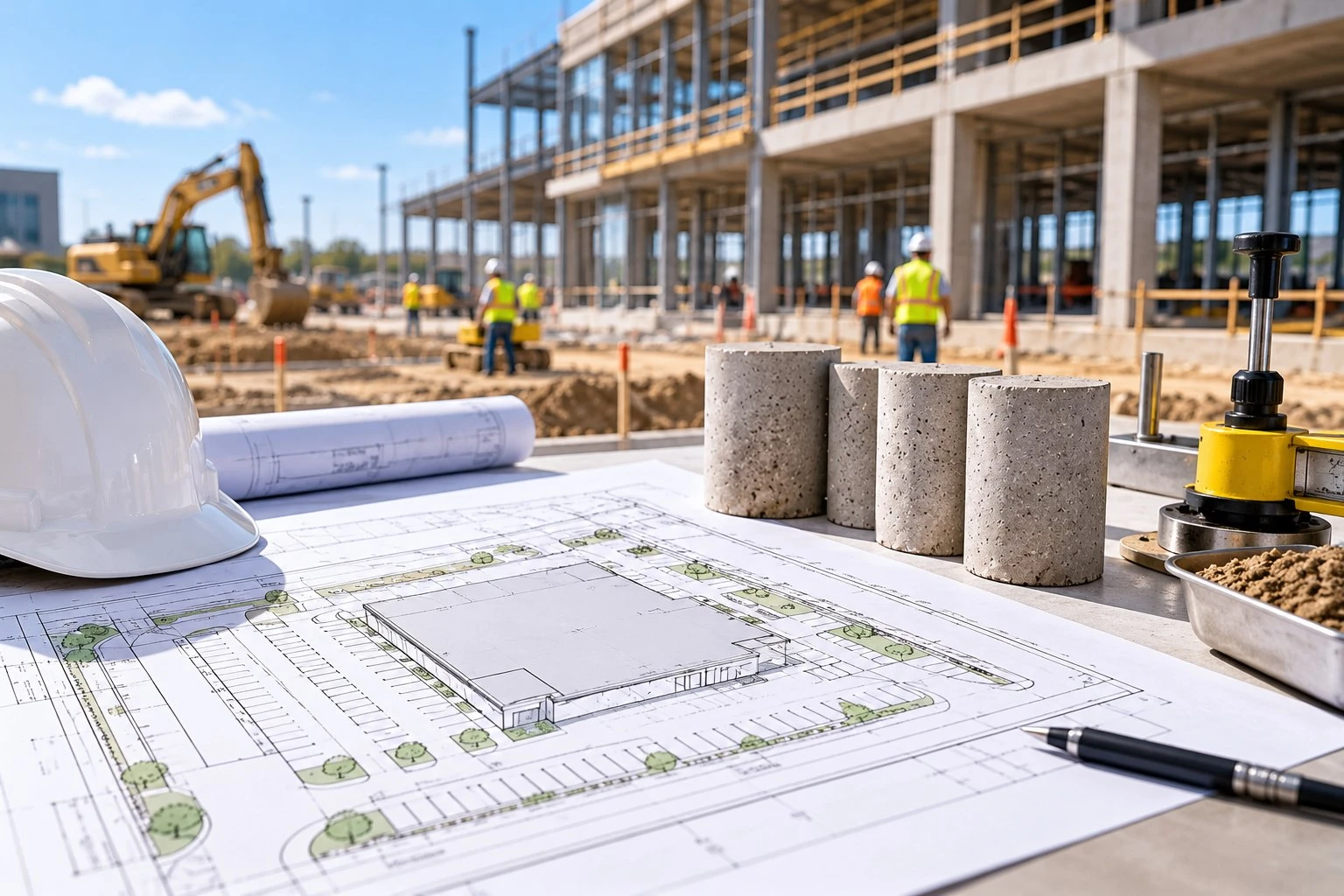
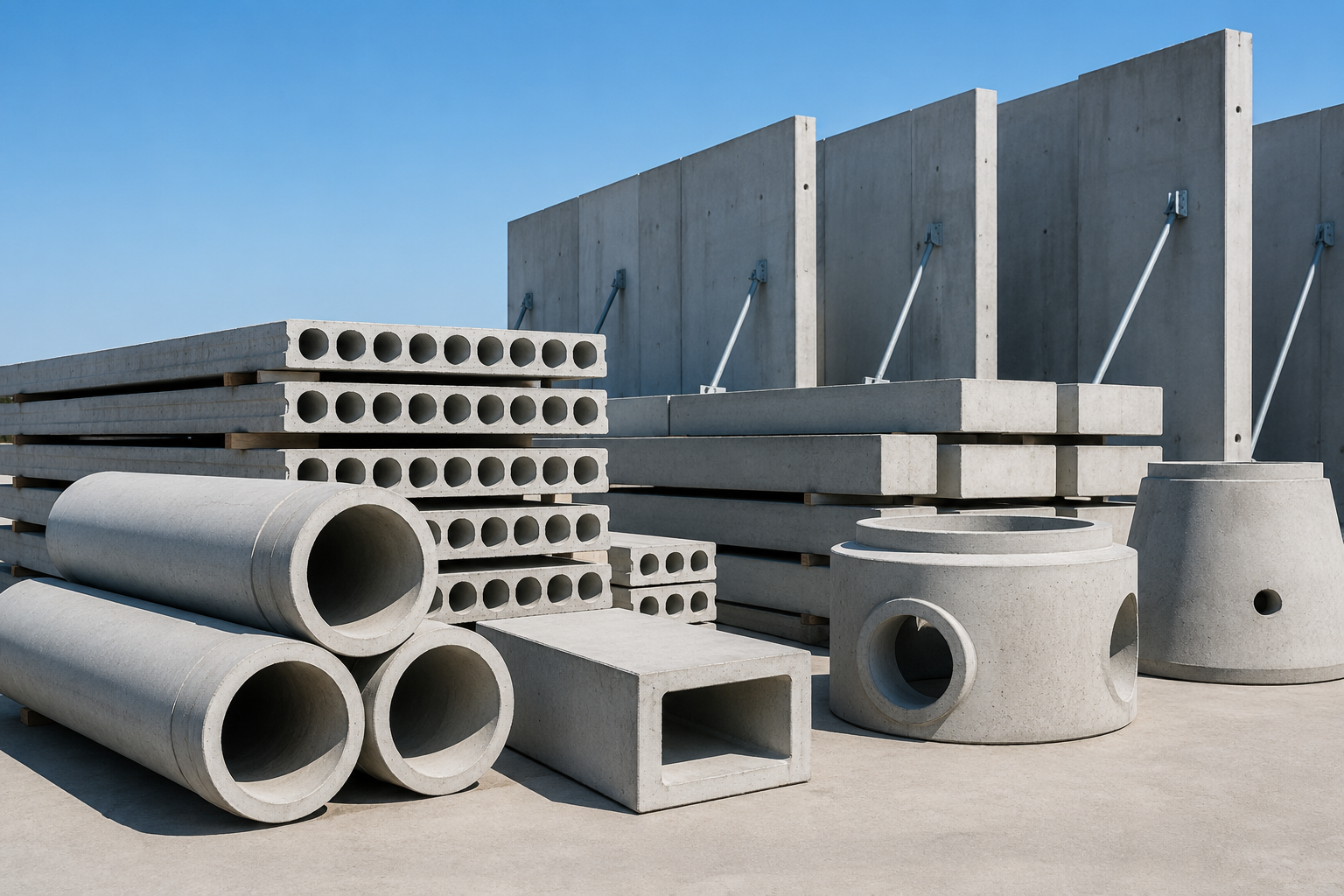
The construction industry is increasingly embracing innovative building methods that improve efficiency, durability, and sustainability. Among these advancements, precast concrete products have emerged as a preferred solution for a wide range of residential, commercial, and infrastructure projects. From bridge components and retaining walls to drainage structures and architectural panels, precast concrete offers significant advantages over traditional cast-in-place methods.
Unlike conventional concrete construction, precast elements are manufactured in a controlled environment and then transported to the project site for installation. This manufacturing process provides builders and engineers with a higher level of consistency, quality, and reliability. As modern construction projects continue to demand faster timelines and long-lasting performance, the benefits of precast concrete products have become increasingly apparent.
Superior Quality and Consistency
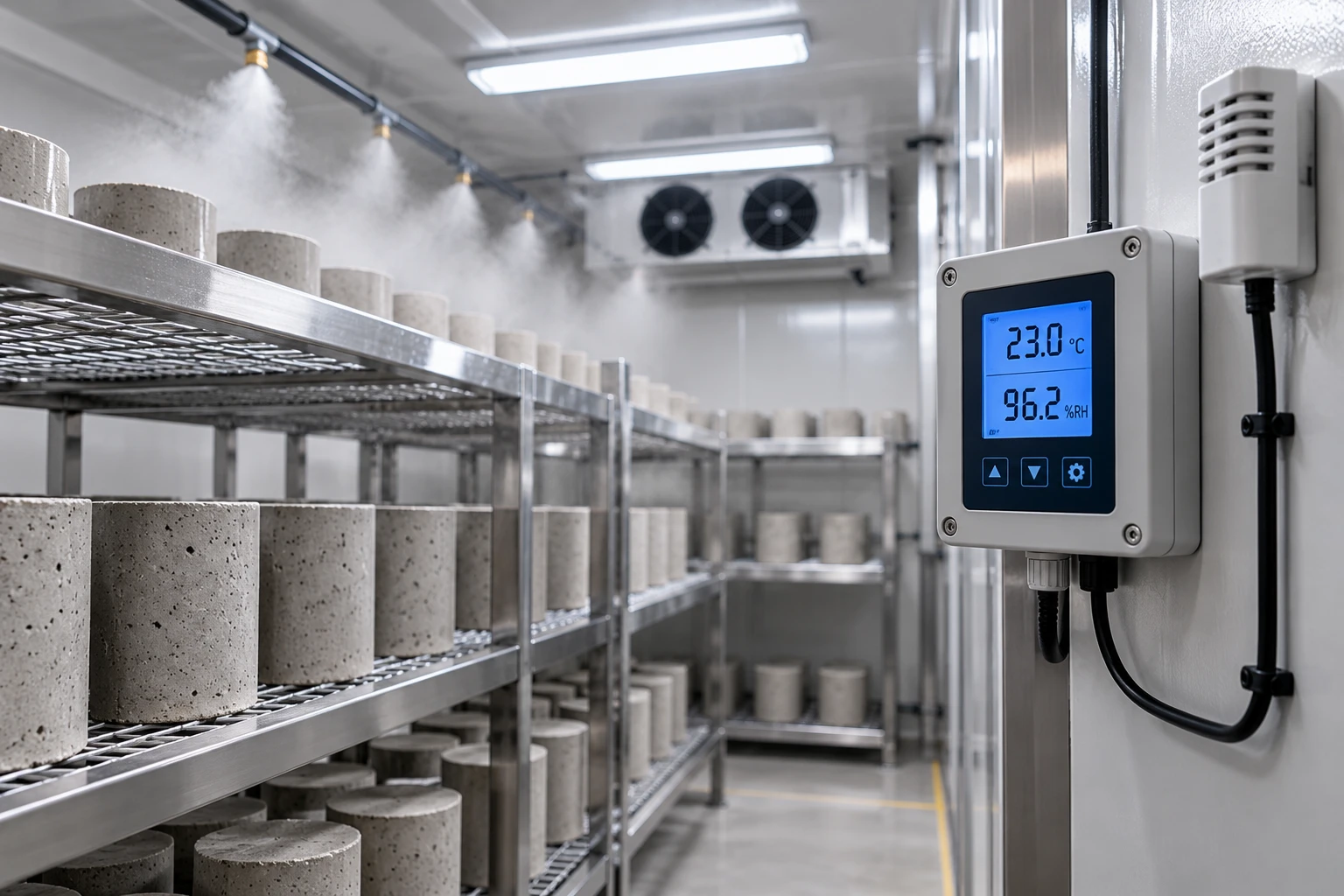
One of the greatest advantages of precast concrete products is the exceptional level of quality control achieved during manufacturing. Since production occurs in a factory setting, every stage of the process from material selection to curing is carefully monitored. This controlled environment minimizes the variability often encountered with on-site concrete placement, where weather conditions and inconsistent workmanship can affect the final product.
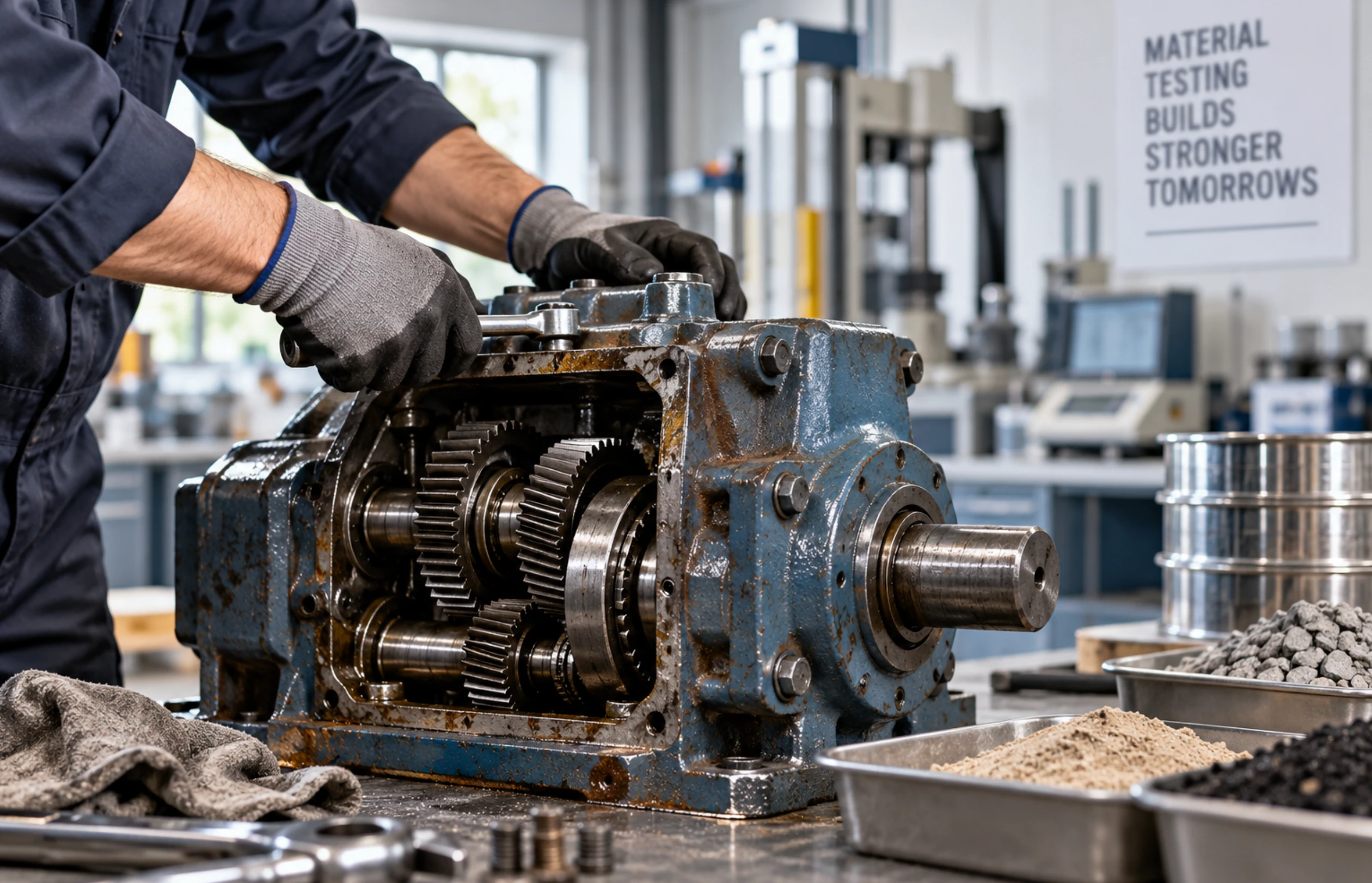
Maintaining strict quality standards also requires ongoing concrete testing to verify that materials meet required specifications and performance criteria. Manufacturers routinely evaluate strength, durability, and other critical properties to ensure each component performs as intended throughout its service life.
Faster Construction Schedules
Construction delays can significantly impact project costs and completion dates. Precast concrete products help accelerate construction because site preparation and component manufacturing can occur simultaneously. While foundations and utilities are being prepared on-site, precast elements can be fabricated off-site, reducing overall project timelines.
Once delivered, precast components are quickly installed, allowing contractors to complete projects in a fraction of the time required for traditional concrete construction. This accelerated process is especially beneficial for infrastructure projects where minimizing traffic disruptions and reducing downtime are major priorities.
The shorter installation period also contributes to safer and more organized jobsites, as fewer workers are exposed to on-site hazards for extended periods.
Exceptional Durability and Structural Performance
Precast concrete is widely recognized for its strength and longevity. Because products are manufactured under controlled conditions, they often achieve superior structural properties compared to site-cast concrete. Rigorous testing procedures, including evaluations of concrete compressive strength, help verify that precast elements can withstand demanding service conditions.
Precast components are engineered to resist heavy loads, freeze-thaw cycles, moisture intrusion, chemical exposure, and fire. These characteristics make them ideal for use in bridges, parking structures, retaining walls, and utility systems that must perform reliably for decades.
Proper curing also plays a vital role in long-term durability. Carefully controlled concrete curing conditions during manufacturing help optimize strength development and minimize defects that could compromise structural integrity.
Reduced Material Waste and Improved Sustainability
Sustainability has become a major focus across the construction industry, and precast concrete products support environmentally responsible building practices in several ways. Factory production enables manufacturers to optimize raw material usage, significantly reducing waste compared to traditional on-site construction methods.
In addition, many facilities implement comprehensive construction materials testing programs to ensure efficient use of resources and maintain consistent product quality. Excess concrete generated during manufacturing can often be recycled and reused, further minimizing environmental impact.
Concrete itself also contributes to energy efficiency because of its thermal mass properties. Buildings constructed with precast components can experience more stable indoor temperatures, potentially reducing heating and cooling demands over time.
Greater Precision and Aesthetic Flexibility
Architects and designers increasingly favor precast concrete because of its dimensional accuracy and design versatility. Reusable molds and automated production processes allow manufacturers to produce components with precise dimensions and consistent finishes.
Whether a project requires smooth architectural panels, textured facades, decorative finishes, or custom shapes, precast concrete can accommodate a wide range of design objectives. The precision achieved during manufacturing also simplifies installation, helping contractors maintain tighter tolerances and reduce field adjustments.
Before production begins, many manufacturers evaluate raw materials through processes such as aggregate testing to ensure the finished product meets both structural and aesthetic requirements.
Enhanced Jobsite Safety
Safety remains a top concern on every construction project. Because precast elements arrive at the site ready for installation, there is significantly less need for on-site formwork, reinforcement placement, and concrete pouring activities. Reducing these operations decreases potential safety hazards while improving overall jobsite efficiency.
Projects involving foundations and site preparation may also require extensive soil testing to verify that subsurface conditions can adequately support precast structures. Understanding site conditions before installation helps reduce future settlement issues and ensures long-term performance.
The reduction in on-site labor and shortened construction schedules ultimately create safer working environments for construction crews.
Conclusion
Precast concrete products continue to transform modern construction by offering superior quality, exceptional durability, faster installation, and improved sustainability. Their ability to provide long-lasting performance while reducing project timelines makes them an attractive solution for residential, commercial, and infrastructure applications alike.
As builders increasingly prioritize efficiency, resilience, and environmental responsibility, precast concrete will remain an essential component of modern construction practices. By combining advanced manufacturing processes with rigorous testing and quality control, precast systems deliver dependable performance and long-term value for a wide variety of projects.