Concrete Density Testing: Importance & Methods
Jul 03, 2026
Concrete is the backbone of modern construction. From residential foundations and bridges to highways and high-rise buildings, concrete is expected to deliver strength, durability, and long-term performance. However, even the highest-quality concrete mix can fail if it is not properly tested during production and placement.
One of the most important quality control procedures in construction is concrete density testing. Measuring the density, or unit weight, of concrete helps verify that the material has been mixed, placed, and consolidated correctly. It also provides valuable information about the strength, durability, and overall quality of the concrete.
Unfortunately, some projects overlook or minimize this critical testing process to save time or reduce costs. Skipping density testing can lead to structural deficiencies, premature deterioration, expensive repairs, and even safety hazards.
In this guide, we'll explain how concrete density is measured, why it matters, and what can happen when this essential quality control step is ignored.
What Is Concrete Density?
Concrete density refers to the mass of concrete per unit volume. It is commonly expressed in pounds per cubic foot (lb/ft³) or kilograms per cubic meter (kg/m³).
Density provides insight into the composition and quality of concrete. A properly proportioned and consolidated concrete mixture typically exhibits a predictable density range based on its design.
Concrete is generally classified into three categories:
- Normal-weight concrete: Approximately 140 to 150 lb/ft³ (2,240 to 2,400 kg/m³)
- Lightweight concrete: Less than 120 lb/ft³ (1,920 kg/m³)
- Heavyweight concrete: Greater than 160 lb/ft³ (2,560 kg/m³)
Several factors can influence concrete density, including:
- Aggregate type and gradation
- Water-cement ratio
- Air content
- Degree of compaction
- Admixtures used in the mix
- Moisture content
Because these variables can significantly affect performance, routine density testing is essential throughout the construction process.
How Is Concrete Density Measured?
Concrete density can be measured in both fresh and hardened states using standardized testing procedures.
1. Fresh Concrete Density Testing
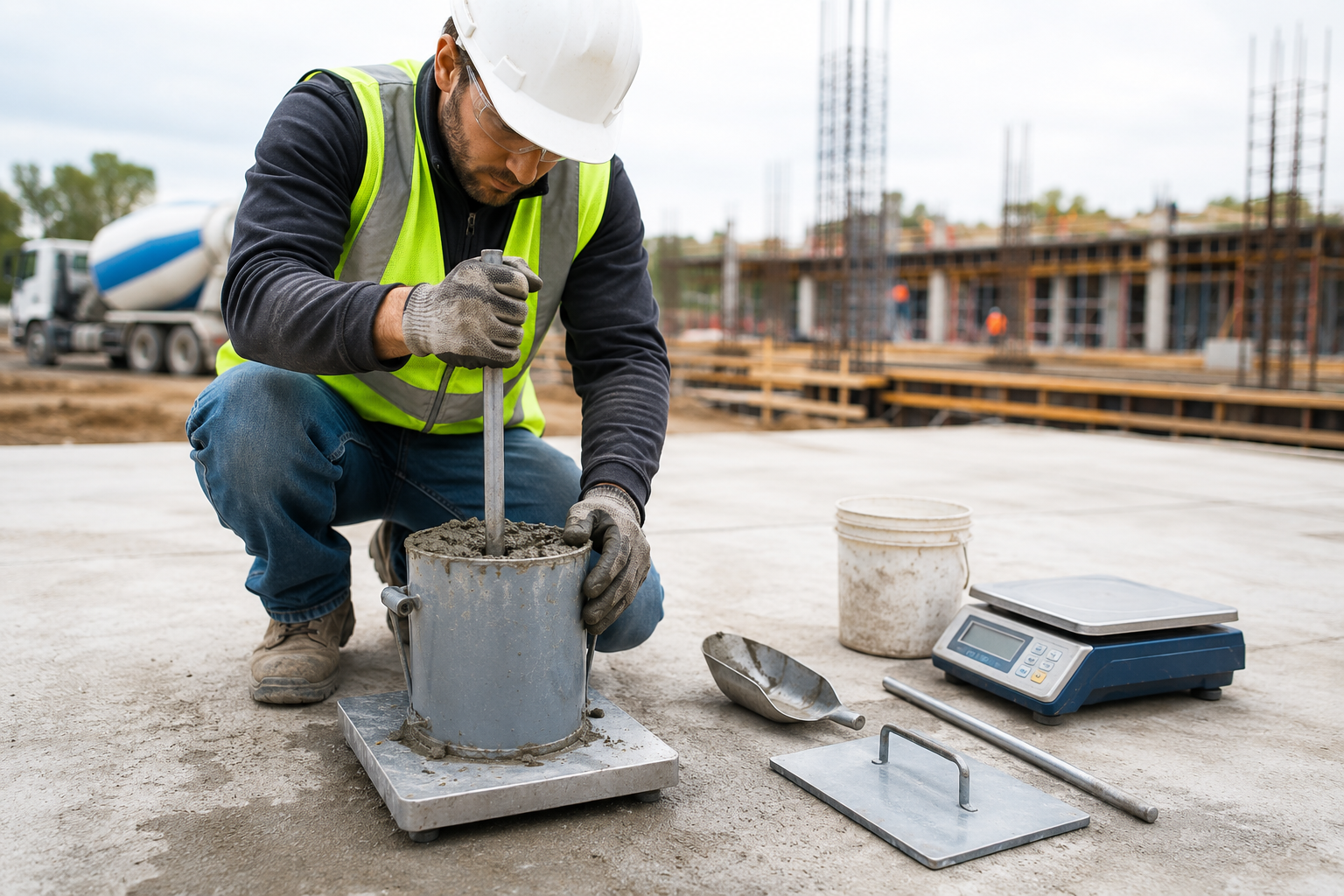
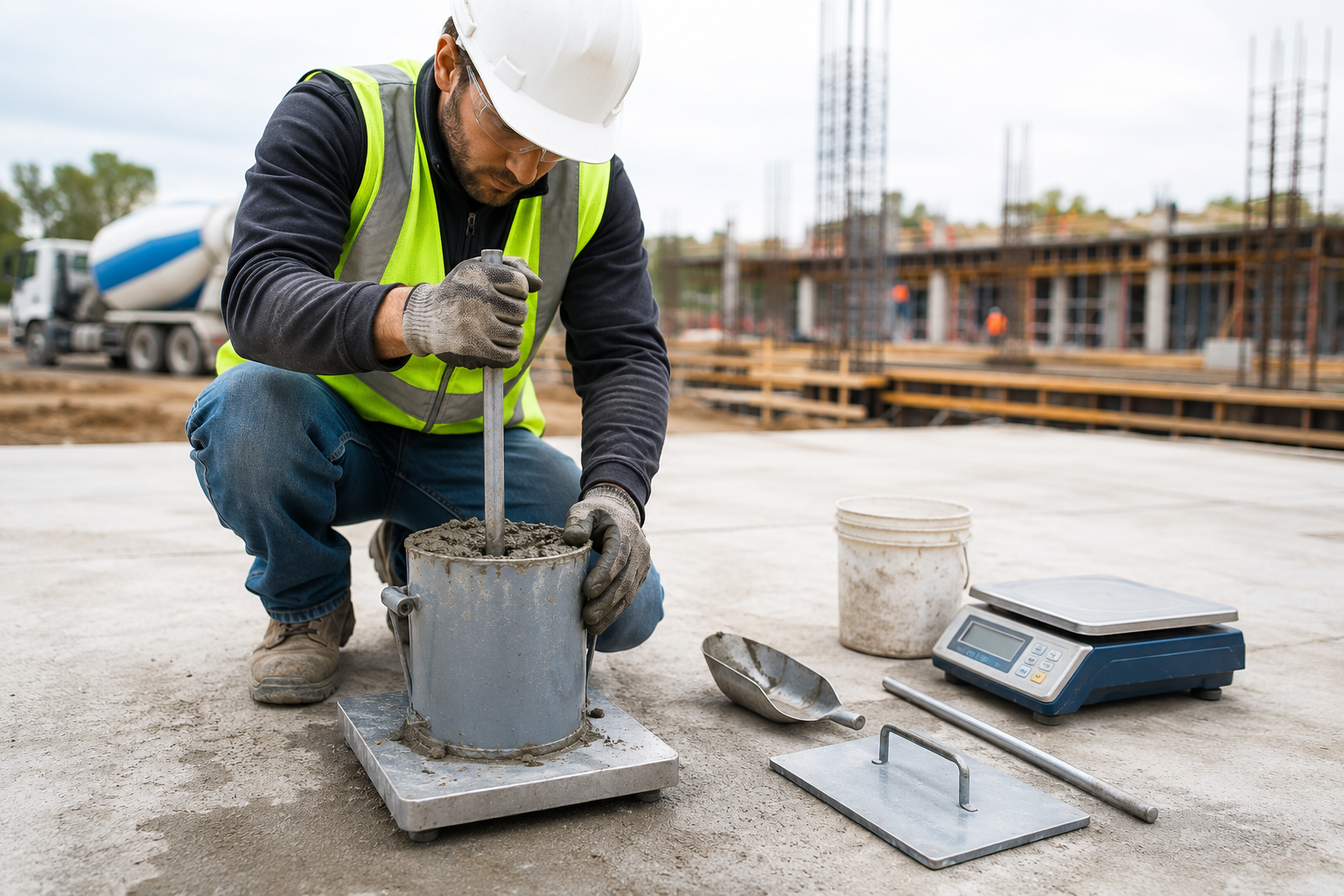
The most common method for measuring fresh concrete density is outlined in ASTM C138, which determines the density (unit weight), yield, and air content of freshly mixed concrete. The test involves placing fresh concrete into a container of known volume, consolidating the sample, striking off excess material, and weighing the filled container. The density is then calculated by dividing the net weight of the concrete by the volume of the container.
The procedure typically requires:
- A calibrated measure or container
- Concrete scale
- Tamping rod
- Strike-off plate
- Rubber mallet
- Scoop or shovel
This test allows technicians to verify that the delivered concrete matches the specified mix design and expected unit weight.
2. Hardened Concrete Density Testing
After concrete has cured, density can be evaluated using hardened samples or extracted cores. ASTM C642 is commonly used to determine the density, absorption, and void content of hardened concrete specimens. These measurements help assess long-term durability and overall concrete quality.
Core samples are often taken when engineers need to evaluate in-place concrete performance or investigate potential quality concerns.
3. Nuclear Density Gauge Testing
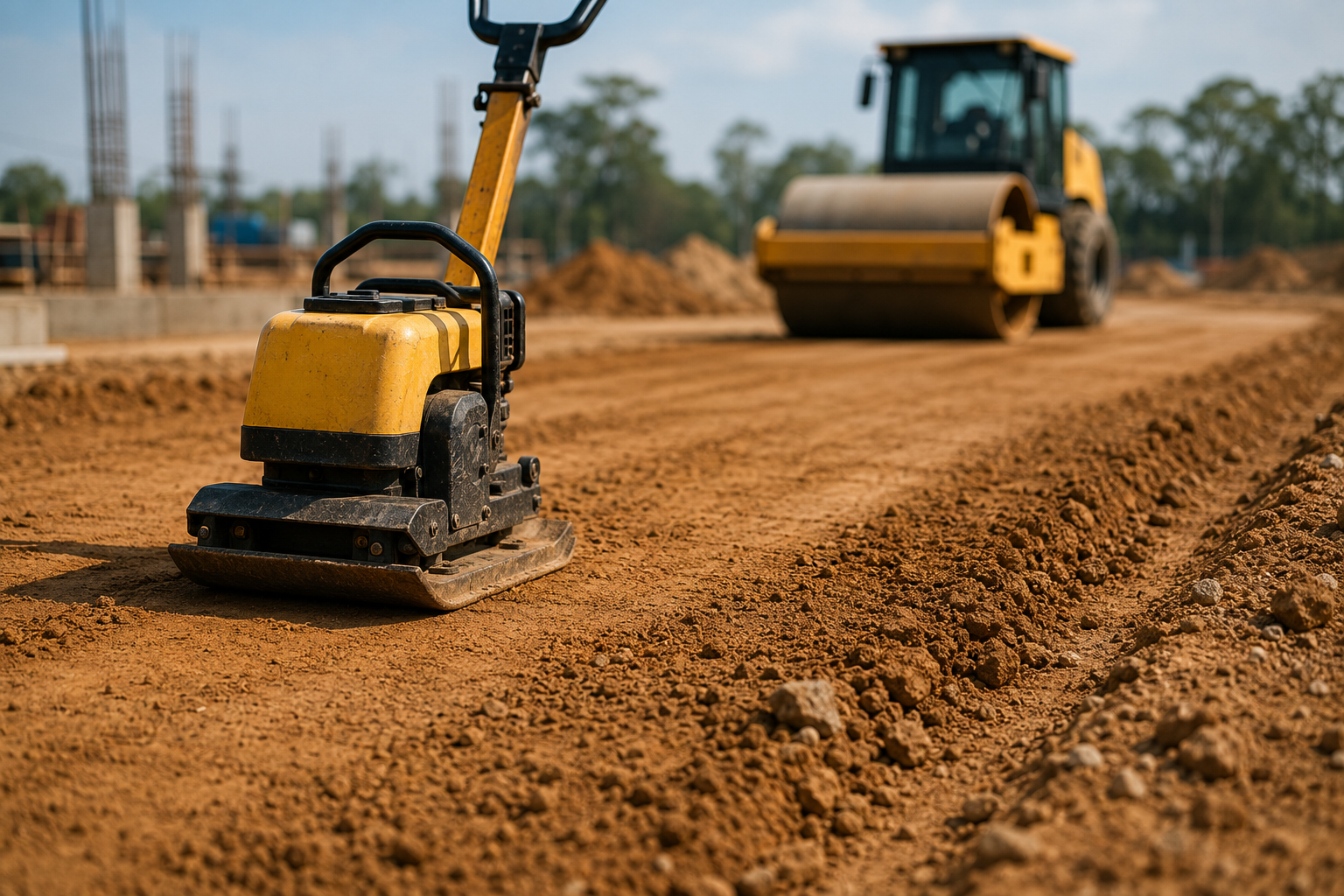
Nuclear density gauges provide rapid, non-destructive density measurements in the field. These instruments use radioactive sources to estimate the density and moisture content of construction materials.
While nuclear gauges are widely used for soil and asphalt compaction testing, they can also support quality control efforts on concrete-related projects when appropriate procedures are followed.
Equipment Commonly Used for Concrete Density Testing
Accurate testing depends on using properly calibrated equipment. Common tools used for density determination include:
- Unit weight measures
- Concrete scales and balances
- Air content meters
- Tamping rods
- Strike-off bars and plates
- Nuclear density gauges
- Concrete coring equipment
Using reliable testing equipment helps ensure repeatable and accurate results while maintaining compliance with project specifications and industry standards.
Why Is Concrete Density Testing Important?
Ensures Structural Strength
Concrete density is closely related to strength and consolidation. Low-density concrete may indicate excessive air voids, inadequate compaction, or improper batching. These deficiencies can significantly reduce compressive strength and structural capacity.
Testing helps verify that the concrete has the characteristics necessary to support design loads safely.
Verifies Mix Consistency
Construction projects often involve multiple concrete deliveries over several days or weeks. Density testing confirms that each batch remains consistent with the approved mix design.
Unexpected variations in unit weight may signal changes in aggregate proportions, water content, or air entrainment that could affect performance.
Detects Voids and Honeycombing
Poor consolidation can leave voids, pockets, and honeycombing within the concrete mass. These defects weaken the structure and create pathways for moisture and chemicals.
Density testing helps identify potential consolidation issues before they become costly problems.
Improves Durability
Properly consolidated concrete with the correct density is generally more resistant to:
- Freeze-thaw damage
- Moisture penetration
- Chloride intrusion
- Chemical attack
- Surface scaling
Higher-quality concrete typically provides a longer service life and requires less maintenance.
Ensures Compliance With Specifications
Many construction projects require density testing as part of quality assurance programs. Industry standards developed by ASTM International are frequently referenced in project specifications and acceptance criteria.
Documented test results provide evidence that the concrete meets project requirements.
Reduces Costly Repairs
Detecting problems early is always less expensive than repairing or replacing defective concrete after construction is complete.
Routine density testing can help prevent delays, rework, disputes, and long-term maintenance expenses.
What Happens If You Skip Concrete Density Testing?
Failing to perform concrete density testing can expose a project to significant risks.
Reduced Structural Capacity
Concrete that does not achieve the intended density may fail to develop the required strength. This can compromise load-bearing performance and reduce the safety margin of the structure.
Increased Cracking
Improperly consolidated or poorly proportioned concrete is more susceptible to shrinkage, cracking, and other forms of distress.
Over time, these cracks can expand and lead to further deterioration.
Hidden Voids and Honeycombing
Without testing, internal defects may go unnoticed until they become visible or cause structural problems.
Repairing honeycombed concrete after placement is often labor-intensive and expensive.
Greater Water Penetration
Low-density concrete typically contains more interconnected voids, allowing water, chlorides, and aggressive chemicals to penetrate the structure more easily.
This can accelerate corrosion of reinforcing steel and shorten the service life of the structure.
Premature Deterioration
Concrete that lacks proper density often deteriorates more rapidly under environmental exposure, freeze-thaw cycling, and heavy traffic conditions.
The result is increased maintenance costs and earlier replacement.
Project Delays and Rework
If quality issues are discovered during inspections or later stages of construction, contractors may be required to remove and replace defective concrete.
Such rework can significantly increase project costs and extend schedules.
Safety Risks
In severe cases, inadequate concrete quality can contribute to structural failures that place workers, occupants, and the public at risk.
Best Practices for Accurate Concrete Density Testing
To obtain reliable results, construction teams should follow these best practices:
- Use calibrated testing equipment.
- Follow ASTM testing procedures carefully.
- Train personnel on proper sampling and testing methods.
- Test concrete at regular intervals during placement.
- Maintain complete documentation of all test results.
- Investigate unexpected density variations immediately.
Final Thoughts
Concrete density testing is far more than a routine quality control procedure, it's a critical step in ensuring that concrete structures perform as intended. By verifying mix consistency, detecting potential defects, and confirming compliance with project specifications, density testing helps protect both structural integrity and long-term durability.
Skipping this process may save a few minutes during construction, but it can lead to significant problems later, including reduced strength, premature deterioration, costly repairs, and safety concerns. For contractors, engineers, and testing laboratories, investing in accurate concrete density testing is an investment in the long-term success of every construction project.