Why Asphalt Binder Agitation Matters for Quality Testing
Jul 23, 2026
Introduction
Asphalt quality control begins before material reaches the laboratory. The sample must represent the binder stored in the tank. Temperature differences, modifier separation, settled material, or weak circulation can make one sample different from the bulk product.
Proper asphalt binder agitation helps maintain a more consistent tank condition before transfer and sampling. It may improve binder uniformity, temperature distribution, and sediment control when the product and storage plan require circulation. The correct duty depends on binder type, storage time, tank design, supplier instructions, and plant procedures.
The objective is controlled movement, not maximum turbulence. Agitation should support reliable sampling without overheating, aerating, or mechanically stressing the binder-handling system.
What Is Asphalt Binder Agitation and Why Is It Needed?
Asphalt binder agitation is the controlled movement of binder inside a storage tank using a mixer or circulation system. It brings material from different tank zones together before sampling or transfer.
Conventional binder may mainly require temperature management and periodic circulation. Polymer-modified, rubberized, or additive-containing binders can present a greater separation risk during extended storage. In these cases, the binder supplier and plant engineer should define the required mixing method.
Agitation can help maintain composition, reduce localized temperature differences, and limit deposits near the tank floor. It cannot repair degraded, contaminated, or incorrectly formulated material.
Why Asphalt Binder Uniformity Matters Before Testing
A laboratory result is only as useful as the sample submitted. If a tank is not uniform, one sample may contain a different concentration of modifiers or suspended material than the rest of the batch. The test can be performed correctly yet still describe only a localized condition.
Representative asphalt sampling makes results from different shifts, tanks, and deliveries easier to compare. It also supports controlled monitoring of viscosity, penetration, storage stability, and other specified properties.
CertifiedMTP's guide to the Marshall Stability Test shows how binder content, specimen preparation, density, stability, and flow are considered together in asphalt-mixture evaluation.
How Storage Temperature Affects Asphalt Binder Consistency
Binder viscosity changes strongly with temperature. A warmer tank zone flows and mixes differently from material near a cooler wall or floor. One temperature reading may therefore be insufficient in a large or historically uneven tank.
The correct asphalt storage temperature should follow supplier guidance, project specifications, and plant procedures. Excessive heat can accelerate aging and waste energy. Temperatures that are too low can raise viscosity, reduce circulation, and increase load on pumps and agitators.
Heating, insulation, sensor placement, residence time, and agitation should be managed as one system.
The Role of Tank Circulation in Representative Sampling
Representative sampling requires the tank to be in the operating condition defined by the plant's procedure. Where circulation is required, operators should allow enough time for material from different tank zones to interact.
The sampling location also matters. Dead legs, stagnant outlet sections, and residue in a sample line can bias results. Plants should flush the line when the applicable method requires it and use clean, compatible containers.
Record the tank number, binder grade, date, time, temperature, and agitation status. Because hot binder presents serious burn hazards, personnel must follow site safety rules and the applicable sampling standard.
How Poor Agitation Can Distort Asphalt Test Results
Poor agitation does not alter the laboratory method, but it can alter the material being tested. If a modified binder separates, a sample may contain too much or too little of one phase. If material accumulates near the bottom, early and late samples may produce different results.
Unexpected changes may appear in viscosity, penetration, density, recovery, or storage-stability indicators. Teams may then question the laboratory or formulation when the real cause is inconsistent tank condition.
CertifiedMTP's overview of field testing and laboratory testing explains why controlled laboratory data should be interpreted together with real operating conditions.
Preventing Sedimentation and Material Separation in Storage Tanks
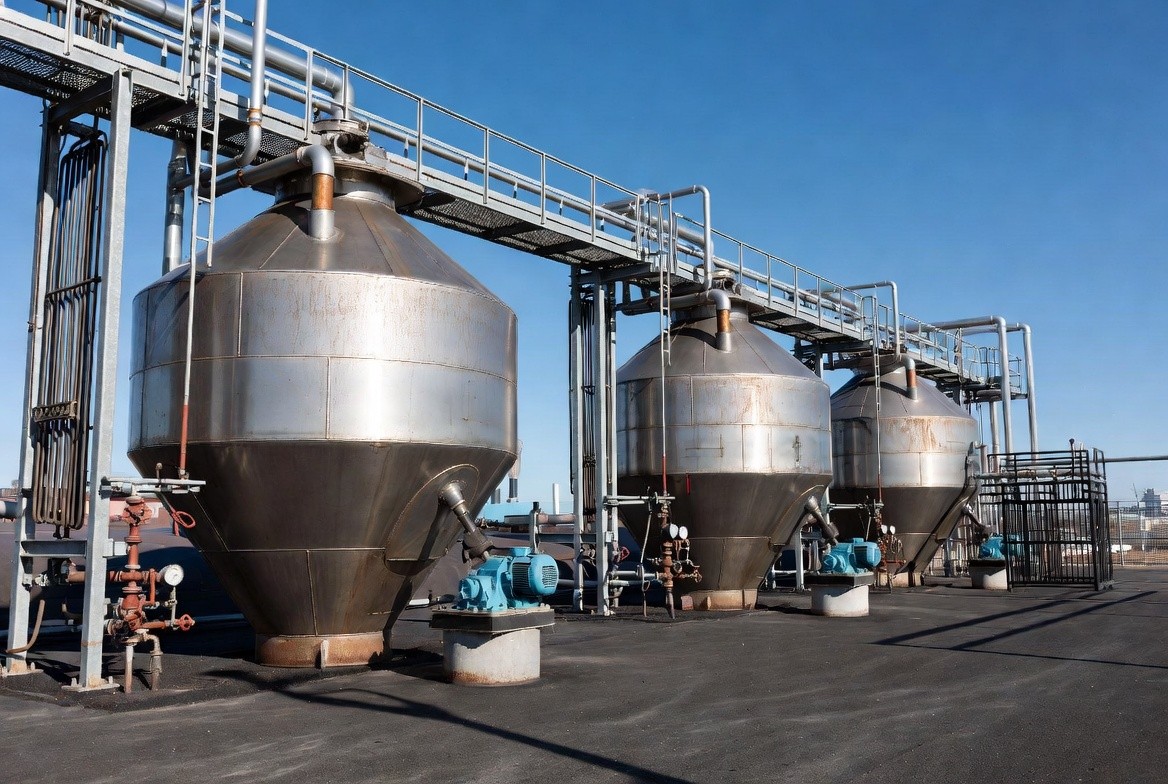
Sedimentation and separation can result from density differences, incompatibility, temperature, storage time, or insufficient circulation. Asphalt storage tank mixing can reduce these risks by moving material through zones that would otherwise remain stagnant.
The goal is not maximum speed. Excessive agitation can create a vortex, introduce air, raise energy use, and increase seal or drive wear.
Inventory management also matters. Long residence time, repeated heating cycles, mixing grades without review, and operating below the intended tank level can make uniformity harder to maintain. Agitation works best with controlled receiving, turnover, cleaning, and sampling procedures.
How Side-Entry Agitators Support Large Asphalt Storage Systems
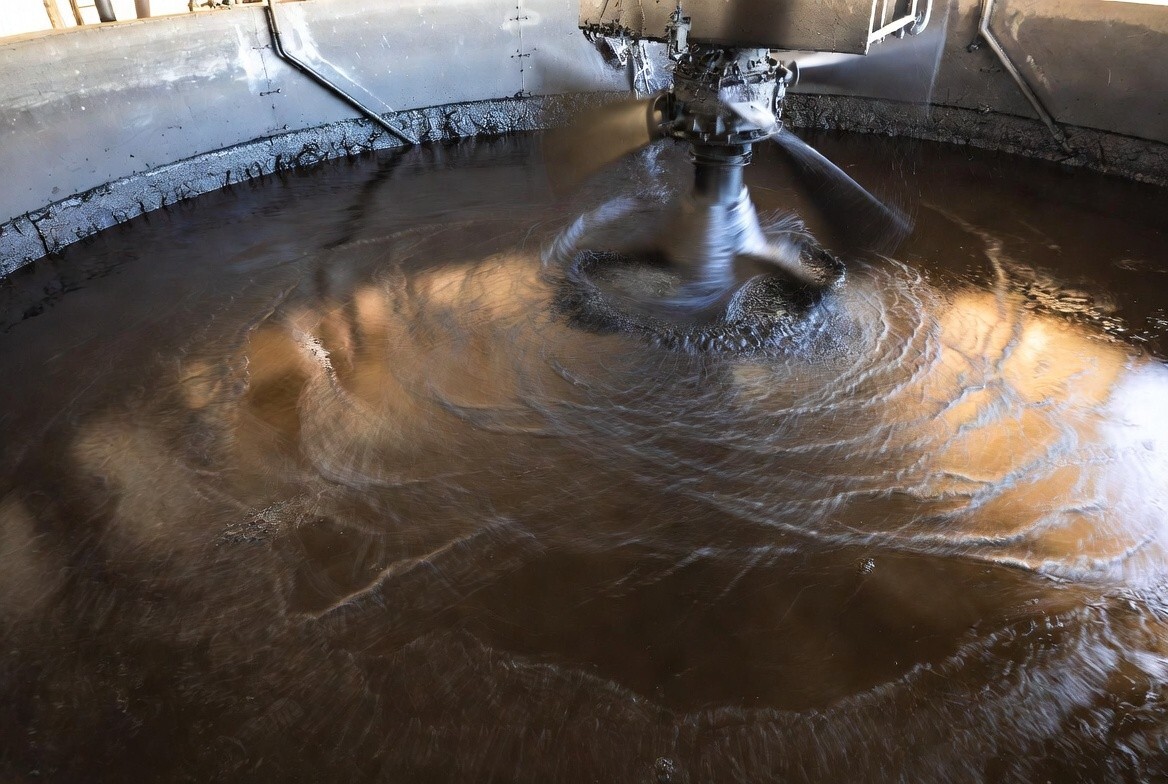
A side-entry agitator is mounted through the tank wall, with the drive outside and the impeller inside. It can create directed circulation in large storage vessels without a long roof-mounted shaft.
For suitable asphalt and bitumen tank mixing duties, side-entry equipment may support binder circulation, temperature distribution, and sediment control. Large tanks, low liquid levels, heating coils, or internal obstructions may require more than one unit or carefully selected mounting angles.
Buyers reviewing an asphalt tank agitator should request a design based on tank dimensions, binder properties, nozzle position, seal requirements, and maintenance access.
Key Operating Factors: Speed, Temperature, and Mixing Time
Speed, temperature, and mixing time must be considered together.
Speed determines flow, shear, torque, and power demand. More speed is not automatically better.
Temperature changes viscosity and the load placed on the drive. Starting in colder or more viscous material than the design condition can cause overload.
Mixing time must be long enough to reach the required condition before sampling or transfer. Some modified binders may need continuous circulation; others may use scheduled operation.
Plants should document startup conditions, normal speed, pre-sampling circulation time, liquid-level limits, shutdown rules, and alarm settings.
Common Asphalt Binder Storage and Agitation Mistakes
Frequent mistakes include:
- Selecting a mixer only from tank capacity
- Ignoring viscosity at the lowest operating temperature
- Sampling immediately after a long idle period
- Running the mixer below its intended liquid level
- Positioning the impeller where coils block the flow
- Using excessive speed to compensate for poor placement
- Leaving residue in the sampling line
- Mixing binder grades without an approved procedure
- Ignoring leakage, vibration, or unusual noise
- Treating one temperature reading as representative
A proper investigation should review the complete storage, mixing, sampling, and maintenance process rather than adjusting mixer speed alone.
How Plant and Laboratory Teams Can Improve Sample Reliability
Plant operators understand tank history, deliveries, temperatures, and equipment condition. Laboratory staff understand method precision, preparation, and result trends. Asphalt sample reliability improves when these teams share information.
The sample record should include binder grade, tank, sampling point, storage duration, temperature, and agitation condition. When a result is unusual, teams should compare it with process records before deciding the material is out of specification.
A practical feedback loop is simple: the laboratory flags the trend, the plant checks tank and sampling conditions, and both teams decide whether resampling is justified under the applicable procedure.
What to Consider When Selecting an Asphalt Tank Agitator
A useful equipment inquiry should include:
- Tank diameter, height, bottom shape, and liquid levels
- Binder grade and whether it is modified or additive-containing
- Density and viscosity across the operating temperature range
- Storage temperature, residence time, and mixing objective
- Heating coils, pipes, supports, and other obstructions
- Available nozzle position and tank-wall details
- Voltage, frequency, motor protection, and hazardous-area needs
- Wetted materials, seal preference, and maintenance access
The supplier should explain the proposed impeller, speed, power, mounting, and control method. Buyers should also confirm drawings, inspection records, manuals, spare parts, packing, and export documents.
A Practical Quality-Control Checklist Before Asphalt Sampling
The following checklist connects storage operations with asphalt binder testing.
|
Checkpoint |
Why It Matters |
Action |
|
Binder identity |
Prevents testing the wrong grade |
Confirm tank and delivery records |
|
Temperature |
Influences viscosity and circulation |
Verify the approved range |
|
Agitation status |
Affects tank uniformity |
Follow the pre-sampling procedure |
|
Tank level |
Changes impeller coverage |
Confirm operation is within limits |
|
Sample point |
Stagnant material can bias results |
Inspect and flush as required |
|
Container |
Contamination can alter results |
Use clean, compatible containers |
|
Process history |
Long storage can increase risk |
Record residence time and transfers |
|
Equipment condition |
Faults can reduce circulation |
Check leakage, vibration, and alarms |
Adapt the checklist to the applicable standard, supplier instructions, and site safety rules.
Frequently Asked Questions
- Does every asphalt binder tank need continuous agitation?
No. The schedule depends on binder formulation, storage time, tank design, and supplier guidance.
- Can agitation repair overheated or aged binder?
No. It cannot reverse chemical aging, contamination, or degradation.
- How long should a tank be mixed before sampling?
There is no universal time. It depends on tank size, viscosity, liquid level, impeller performance, and idle time.
- Can excessive agitation cause problems?
Yes. It can increase energy use, vortexing, air entrainment, and mechanical wear.
- What information should accompany a sample?
Include binder grade, tank or batch ID, sampling location, date, time, temperature, storage history, and agitation condition.
- What should overseas buyers approve before shipment?
Approve drawings, materials, motor and gearbox data, seal details, inspection scope, spare parts, manuals, packaging, and installation responsibilities.
Conclusion
Proper asphalt binder agitation supports reliable sampling by helping maintain a controlled and representative tank condition. It works best with suitable storage temperature, inventory management, clean sampling equipment, accurate records, laboratory discipline, and preventive maintenance.
The correct solution is application-specific. Procurement teams should define the binder, tank, operating range, circulation objective, and safety requirements before selecting equipment. More speed or continuous operation does not automatically produce better results. A documented operating procedure also helps different shifts follow the same preparation and sampling steps.
For product details, customized side-entry configurations, or technical support, buyers can contact KEHENG Mixers with their tank drawing, binder information, storage conditions, and required mixing objective.