Sliding Gate Openers for Construction Sites
Nov 14, 2026
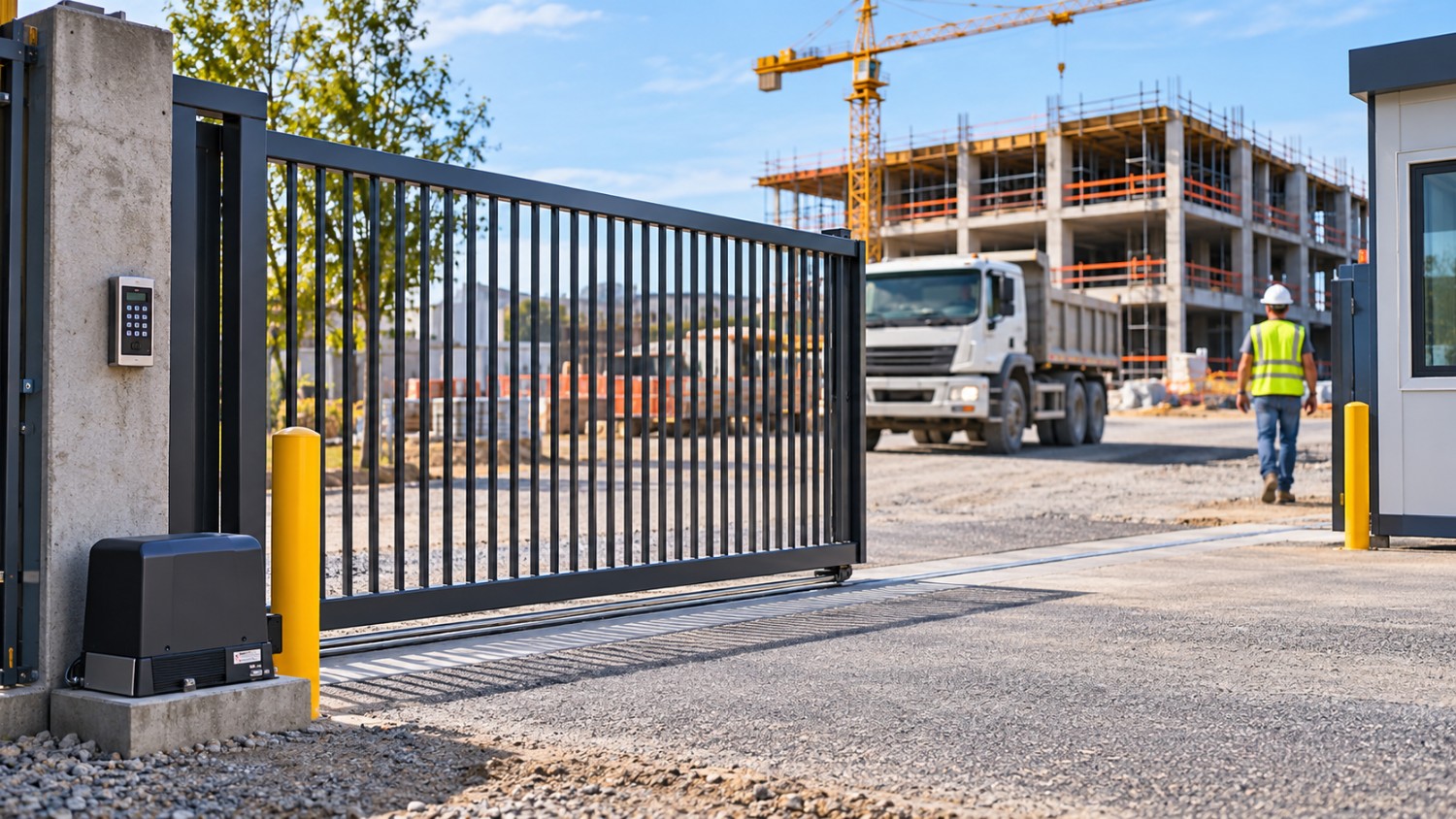
A construction site can become busy within a few hours. Trucks arrive with materials, workers come and go, and heavy machinery needs regular access. Managing all this movement through a single entrance can take time, especially when vehicles are arriving throughout the day. This is where sliding gate openers can help. They make site access easier, improve security, and give site managers better control over who enters and leaves.
Why Sliding Gate Openers Are Useful on Construction Sites
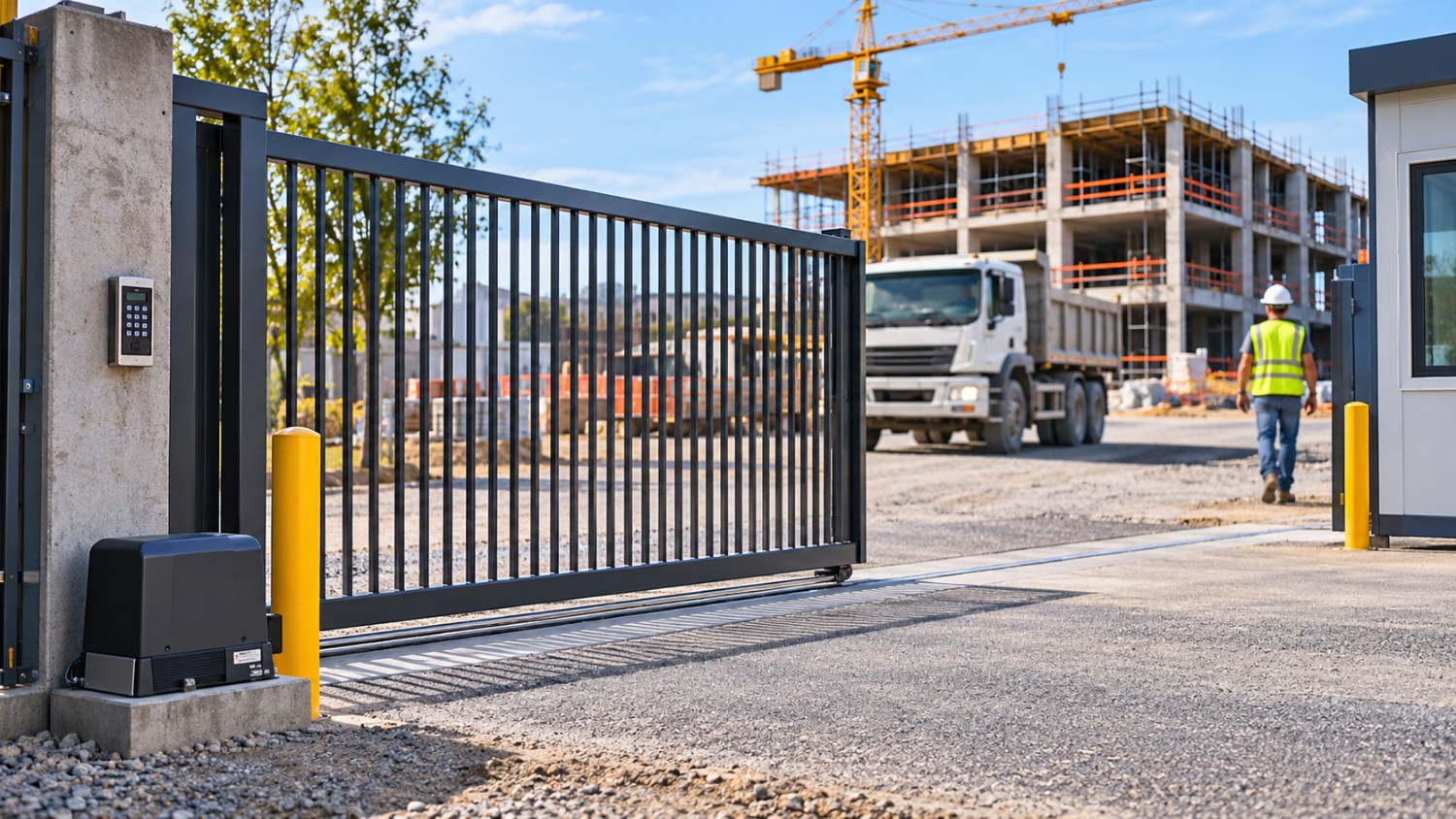
Sliding gates are often chosen for construction entrances because they move sideways rather than swinging inward or outward. This is useful when space is limited or when large vehicles need enough room to turn and enter safely.
An automatic opener makes the process even more convenient. Drivers do not need to leave their vehicles to open and close the gate. Workers can operate the system using remote controls, keypads, or other access methods.
For projects with frequent deliveries, this small change can save time and reduce the chances of an entrance being left open accidentally.
Getting the Installation Right
Before installing a sliding gate opener, site managers should consider the conditions at the entrance. The gate's weight and size, available side clearance, ground conditions, and expected daily usage all influence the type of equipment required.
The foundation and track are particularly important. Construction sites often have uneven ground, loose soil, or surfaces that become muddy after rainfall. If the track is not installed correctly, the gate may struggle to move smoothly, putting additional pressure on the motor.
The opener must also be powerful enough to handle the gate's weight and expected usage. Choosing a smaller motor simply to reduce the initial cost can lead to frequent breakdowns and expensive repairs later.
Professional gate installation services can help ensure that the equipment is properly selected and fitted for the entrance.
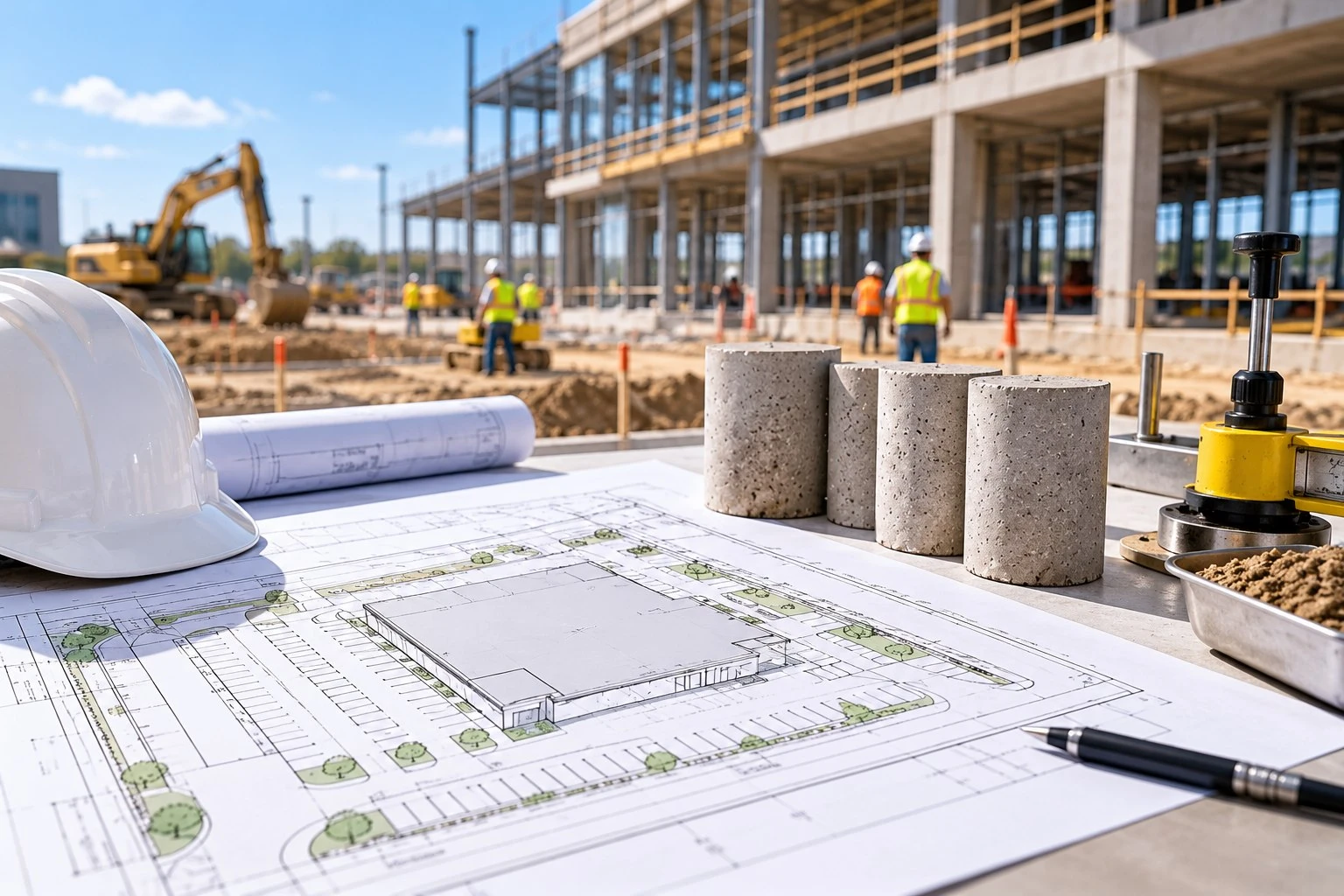
Site managers should also consider the overall condition of the construction entrance. Ground preparation and material quality can affect how well the surrounding access area performs over time. Understanding the importance of construction materials testing equipment can help project teams maintain better control over the quality of materials used throughout the project.
Electrical connections, safety sensors, limit switches, and emergency release systems should all be checked during installation. These components are important because a gate that does not operate correctly can create hazards in an active work area.
Maintaining Reliable Performance
Once installed, the gate needs regular attention to keep working properly. A construction entrance is different from a residential driveway. Dust, cement residue, mud, and small stones can collect around the track and make it harder for the gate to move.
Cleaning should therefore be part of routine site maintenance. Even a small blockage can increase resistance and put unnecessary strain on the motor.
Managers should also listen for unusual sounds. Grinding noises, jerky movement, or longer opening times may indicate a mechanical problem. Checking the wheels, guides, gears, and supporting components can help identify issues before they become more serious.
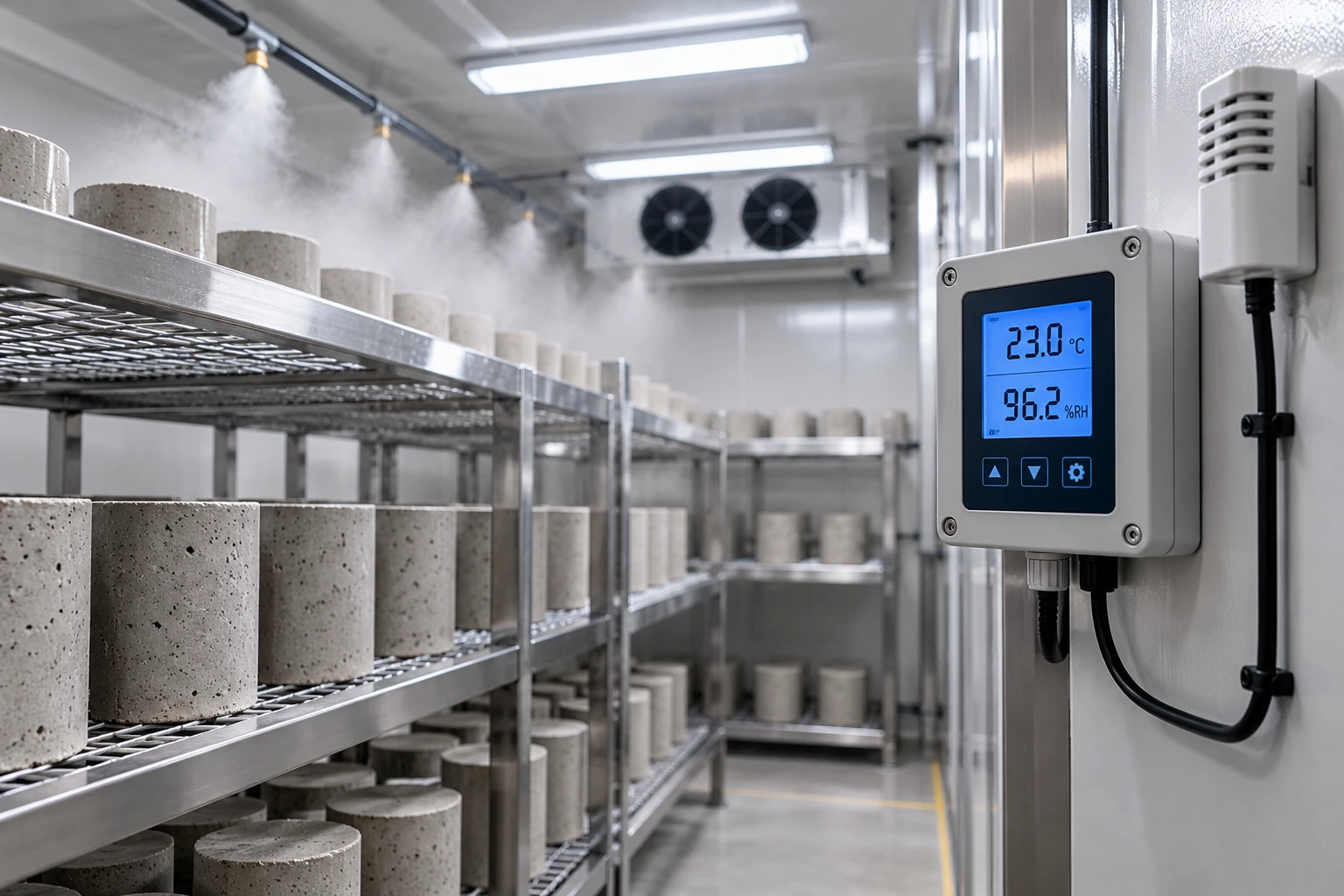
Maintenance planning is also important for the wider construction site. For example, teams working with foundations, concrete structures, and access roads need to understand how material quality affects long-term performance. Reliable concrete testing equipment helps construction professionals evaluate concrete properties and check that materials meet the required specifications.
Another factor to consider is the power supply. A power cut can prevent vehicles from entering or leaving, particularly when deliveries are waiting outside. Depending on site requirements, a backup power source can help reduce interruptions.
Safety and Access Control
Keeping a construction entrance secure is not just about preventing unauthorized access. It also helps protect workers, visitors, vehicles, and equipment on site.
Modern sliding gate openers can work with keypads, remote controls, intercoms, and card-based access systems. These options allow site managers to control entry without leaving the gate open throughout the day.
Safety sensors are equally important. They help detect vehicles or objects in the gate's path, reducing the risk of accidental contact. Workers should also know how to operate the emergency release if the automatic system stops working.
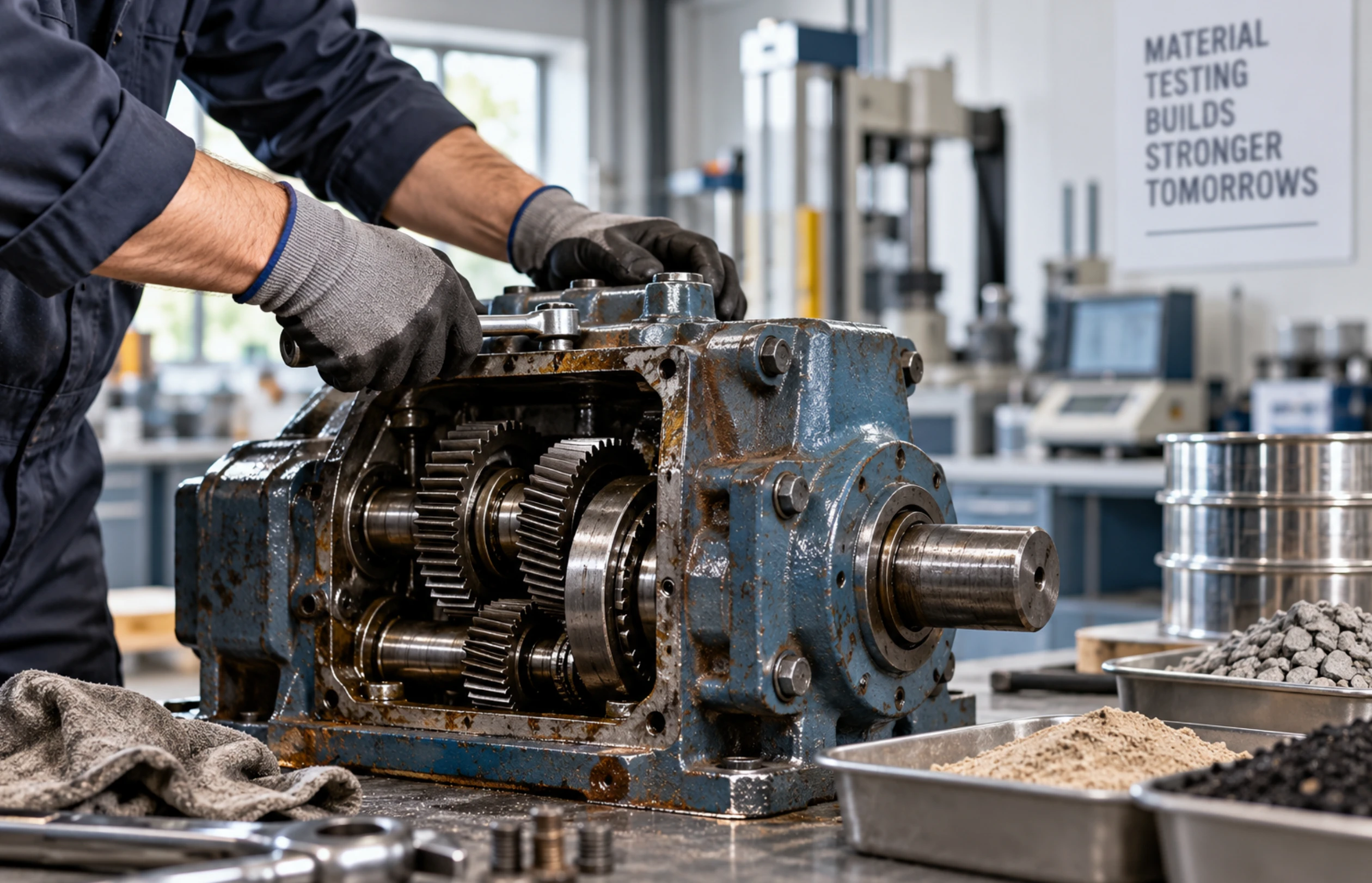
Beyond gate operation, construction safety depends on the quality of the materials used throughout a project. Proper construction materials testing supports quality control by helping teams assess materials and maintain consistent testing practices.
For contractors managing different types of projects, understanding how to choose the right testing equipment can also help ensure that materials are checked using suitable methods and equipment.
Conclusion
A sliding gate opener can make a noticeable difference to the daily operation of a construction site. It saves time, improves access control, and makes it easier to manage the movement of vehicles and equipment.
However, its performance depends on proper installation, suitable equipment selection, and regular maintenance. By paying attention to these factors, site managers can maintain a safer and more reliable entrance throughout the construction project.