Cement Bleeding: Causes, Effects & Prevention
Jun 16, 2026
Concrete is one of the most widely used construction materials in the world, but its long-term performance depends heavily on proper mix design and quality control during placement. One common phenomenon that occurs in freshly mixed concrete is cement bleeding. Although a certain amount of bleeding is normal, excessive bleeding can lead to durability issues, poor surface quality, and reduced structural performance.
Understanding why cement bleeding occurs and how to minimize it helps engineers, contractors, and laboratory professionals produce stronger and more reliable concrete structures.
What Is Cement Bleeding?
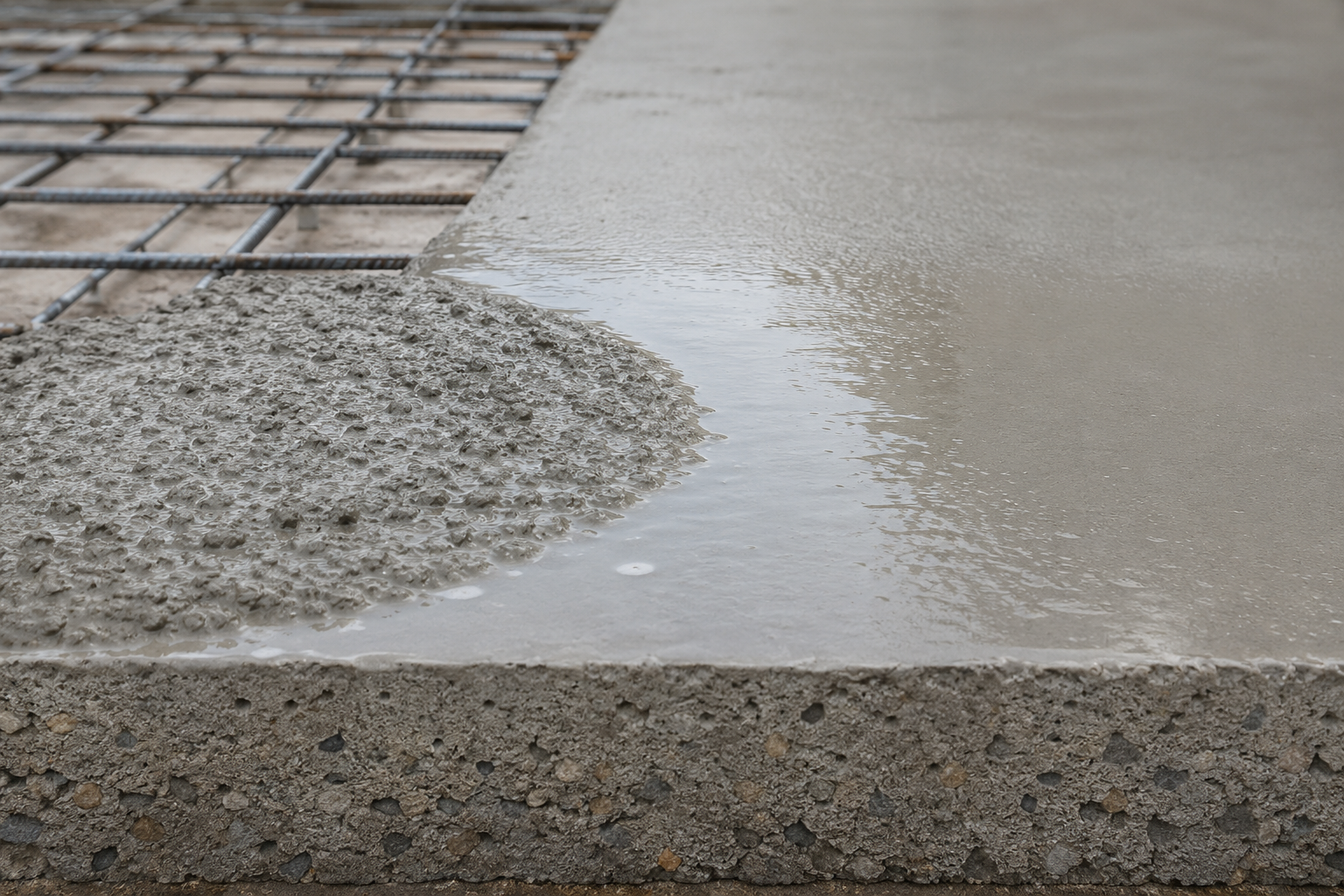
Cement bleeding is the upward movement of water within freshly placed concrete. As the heavier particles such as cement and aggregates settle due to gravity, excess water rises to the surface. This process continues until the concrete begins to set.
A small amount of bleeding is expected and can even aid in finishing operations. However, when too much water accumulates on the surface, it creates weak zones and increases the risk of defects that may affect the lifespan of the structure.
What Causes Cement Bleeding?
The most common reason for cement bleeding is an excessively high water-cement ratio. When more water is added than necessary, the cement paste cannot retain all of it, allowing free water to migrate upward.
Poorly graded aggregates also contribute to bleeding. If aggregates do not have a balanced particle size distribution, larger void spaces form within the mix, making it easier for water to travel to the surface. Proper evaluation using Aggregate Testing Equipment can help ensure that aggregates meet the required specifications before use.
Another contributing factor is a lack of fine materials in the mix. Fine particles help bind water within the concrete matrix, reducing separation. Similarly, improper use of chemical admixtures or inadequate cement content may also increase bleeding.
How Does Cement Bleeding Affect Concrete?
Excessive bleeding can negatively impact both the appearance and performance of concrete. One of the first consequences is a weaker surface layer. When water evaporates from the surface, it leaves behind porous material that is more susceptible to abrasion and dusting.
Bleeding can also reduce the bond between reinforcing steel and concrete. Water pockets that form beneath reinforcement bars create voids, weakening the connection that provides structural strength.
Another concern is increased permeability. The channels created by rising water allow moisture and harmful chemicals to penetrate the hardened concrete more easily, accelerating deterioration over time.
In some cases, excessive bleeding can also contribute to plastic settlement cracks, particularly around reinforcing bars or embedded components.
Why Is Testing Important?
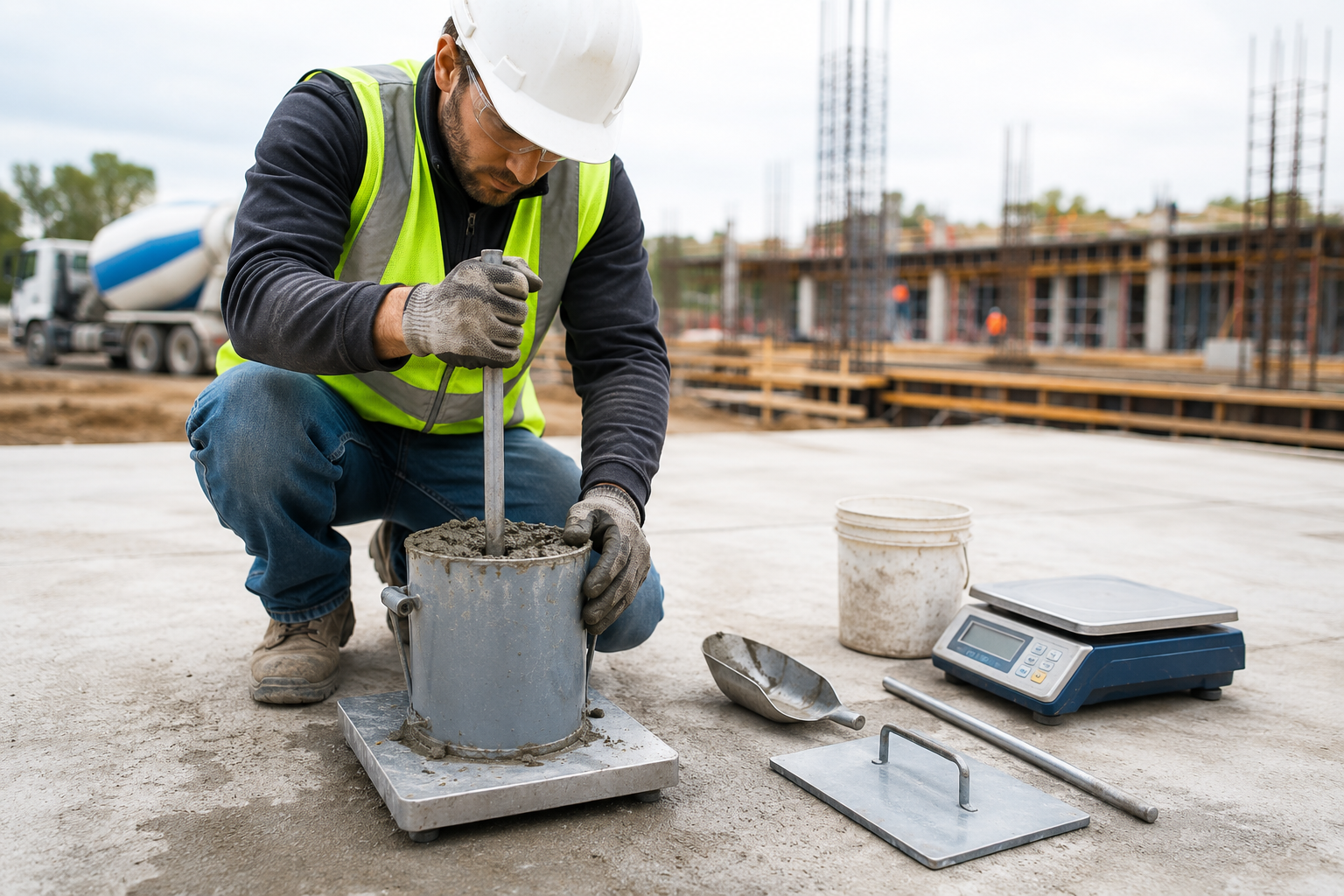
Quality control testing plays a vital role in identifying concrete mixes that are prone to excessive bleeding. Laboratory testing enables engineers to evaluate fresh concrete behavior before it is used in critical construction applications.
Reliable Concrete Testing Equipment helps technicians measure important properties such as consistency, air content, density, and bleeding characteristics. By identifying potential problems early, adjustments can be made to improve the overall mix design.
Testing also ensures compliance with project specifications and industry standards, reducing the likelihood of costly repairs later.
Factors That Influence Bleeding
Several variables determine how much bleeding occurs in a concrete mix. The water-cement ratio remains the most influential factor, but aggregate grading, cement fineness, temperature, mixing procedures, and the use of supplementary cementitious materials all play significant roles.
Environmental conditions also matter. High temperatures and windy conditions can alter evaporation rates, affecting how bleeding water behaves on the concrete surface.
Because multiple factors interact simultaneously, laboratories often rely on Materials Testing Equipment to evaluate overall concrete quality and consistency.
How Can Cement Bleeding Be Prevented?
Preventing excessive bleeding begins with proper mix design. Using only the amount of water necessary for workability significantly reduces the amount of free water available to rise to the surface. Water-reducing admixtures can improve flow without increasing water content.
Selecting well-graded aggregates is equally important. Properly balanced aggregate sizes create a denser particle structure that minimizes water movement. Routine analysis with Aggregate Testing Equipment helps verify aggregate quality before batching.
The incorporation of supplementary cementitious materials such as fly ash or silica fume can further improve water retention within the paste while enhancing long-term durability.
Contractors should also ensure thorough mixing and avoid over-vibration during placement, as excessive consolidation may encourage segregation and bleeding.
The Role of Laboratory Testing in Quality Control
Modern construction projects depend on accurate laboratory testing to maintain consistency from batch to batch. In addition to bleeding tests, engineers commonly evaluate slump, compressive strength, air content, moisture, and density.
Using dependable Laboratory Testing Equipment allows technicians to generate reliable data that supports better decision-making throughout the construction process. Consistent testing not only improves quality but also helps prevent failures that may arise from improper concrete behavior.
Conclusion
Cement bleeding is a natural characteristic of fresh concrete, but excessive bleeding can compromise surface quality, durability, and structural integrity. The problem is often linked to high water content, poor aggregate grading, or improper mix design, making careful planning and testing essential.
By selecting quality materials, optimizing the concrete mix, and performing routine evaluations with Concrete Testing Equipment, Aggregate Testing Equipment, Laboratory Testing Equipment, and Materials Testing Equipment, construction professionals can reduce bleeding and produce stronger, longer-lasting concrete structures.