What To Do If Your Concrete Fails A Strength Test
Jul 11, 2018
Whether you're building a sidewalk or a skyscraper, your concrete needs to handle whatever stress is placed on it. So, what do you do if your concrete cylinders test yields poor results? These and other procedures can help you determine how to move forward.
Know Your Concrete Strength Test Guidelines
When you're performing a concrete cylinders test, the result should not fall below the specified strength by more than 500 psi when the specified strength is below 5,000 psi or by more than 10% when the specified strength is above 5,000 psi. If they do, these results indicate a low-strength reading. Even if multiple tests produce results within the required range, if one test falls below that range, further investigation is needed.
The second requirement is that the concrete strength test results equal or exceeds the specified strength an average of three consecutive times. Your concrete will need to meet both of these guidelines to "pass" the concrete strength test and be considered safely within the specified compressive strength range.
How To Handle A Failed Test
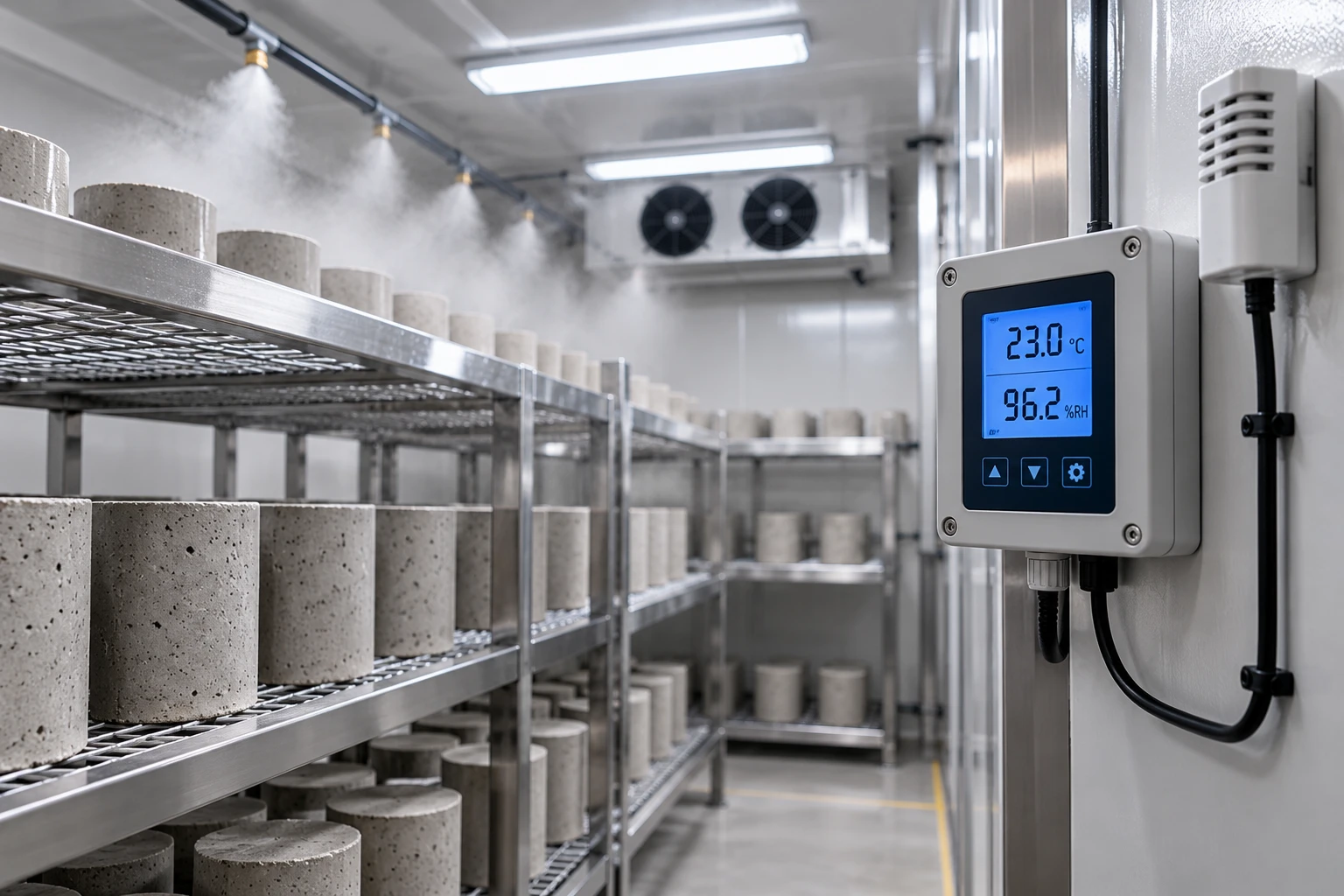
Concrete strength testing, while necessary, is not always accurate. The first step you should take is to verify the accuracy of the test results. Concrete testing cylinders are sometimes cured in a lab setting, which can produce different results from concrete tested on site. Additionally, low strength measurements tend to occur once or twice every 100 tests due to normal statistical variations. However, these results still need to be investigated to ensure there is no need for concern.
To investigate a failed concrete strength test, follow and repeat these steps until you have achieved the necessary results:
- Continue to pour samples into concrete cylinder molds and repeat the test multiple times to confirm accuracy, ensuring proper testing techniques
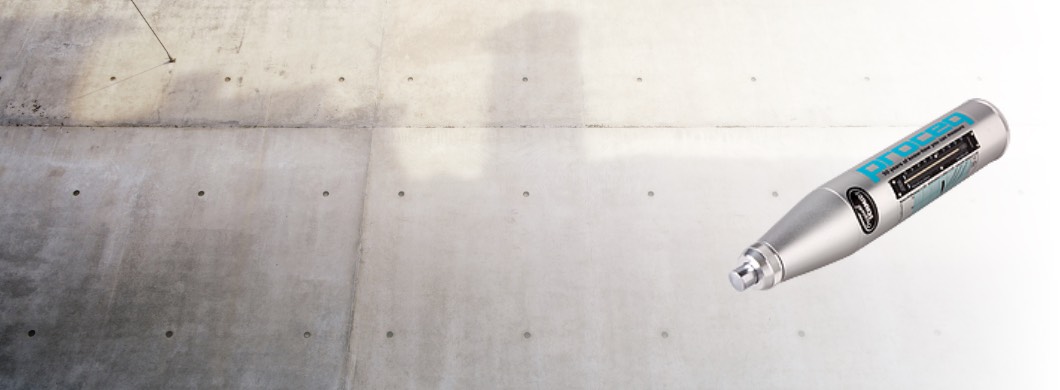
- Perform additional concrete strength tests, such as the Schmidt hammer test or load test
- If concrete strength test readings remain inadequate, adjust building plans as necessary
Find Concrete Strength Testing Equipment From Certified MTP
Certified Material Testing Products has everything you need to ensure your concrete strength tests are accurate and informative. For example, our concrete test hammers will help deliver additional results on-site while the concrete cylinder molds are setting over their 28-day period. Browse all of our concrete testing equipment and accessories today.