How Warehouses Can Increase Storage Capacity Without Expanding Space
Aug 28, 2026
For many warehouse managers, running out of storage space isn’t a matter of if it’s when. As businesses grow, inventory increases, product lines expand, and customer expectations continue to rise. The obvious solution might seem like moving to a larger facility or building an extension, but those options require significant investments and often months of planning.
Fortunately, increasing storage capacity doesn’t always mean increasing square footage. Many warehouses already have untapped potential hidden in their current layout. With smarter storage strategies, improved organization, and the right equipment, businesses can create more usable space while improving workflow and productivity.
Whether you’re managing a distribution center, manufacturing warehouse, or retail inventory facility, here are practical ways to maximize your existing space before considering expansion.
Start with a Warehouse Layout Assessment
Before purchasing new equipment or rearranging inventory, it’s worth taking a close look at how the warehouse is currently being used.
Many facilities accumulate inefficient storage practices over time. Products that once sold quickly may now occupy prime locations, while frequently picked items require employees to travel farther than necessary.
A warehouse assessment can help identify:
- Underutilized vertical space
- Wide aisles that exceed operational needs
- Slow-moving inventory occupying valuable storage areas
- Empty rack locations
- Inefficient picking routes
Sometimes small layout adjustments create surprisingly large improvements in storage capacity.
Make Better Use of Vertical Space
One of the biggest mistakes warehouses make is focusing only on floor space.
In many facilities, several feet of vertical clearance remain unused simply because storage systems aren’t tall enough.
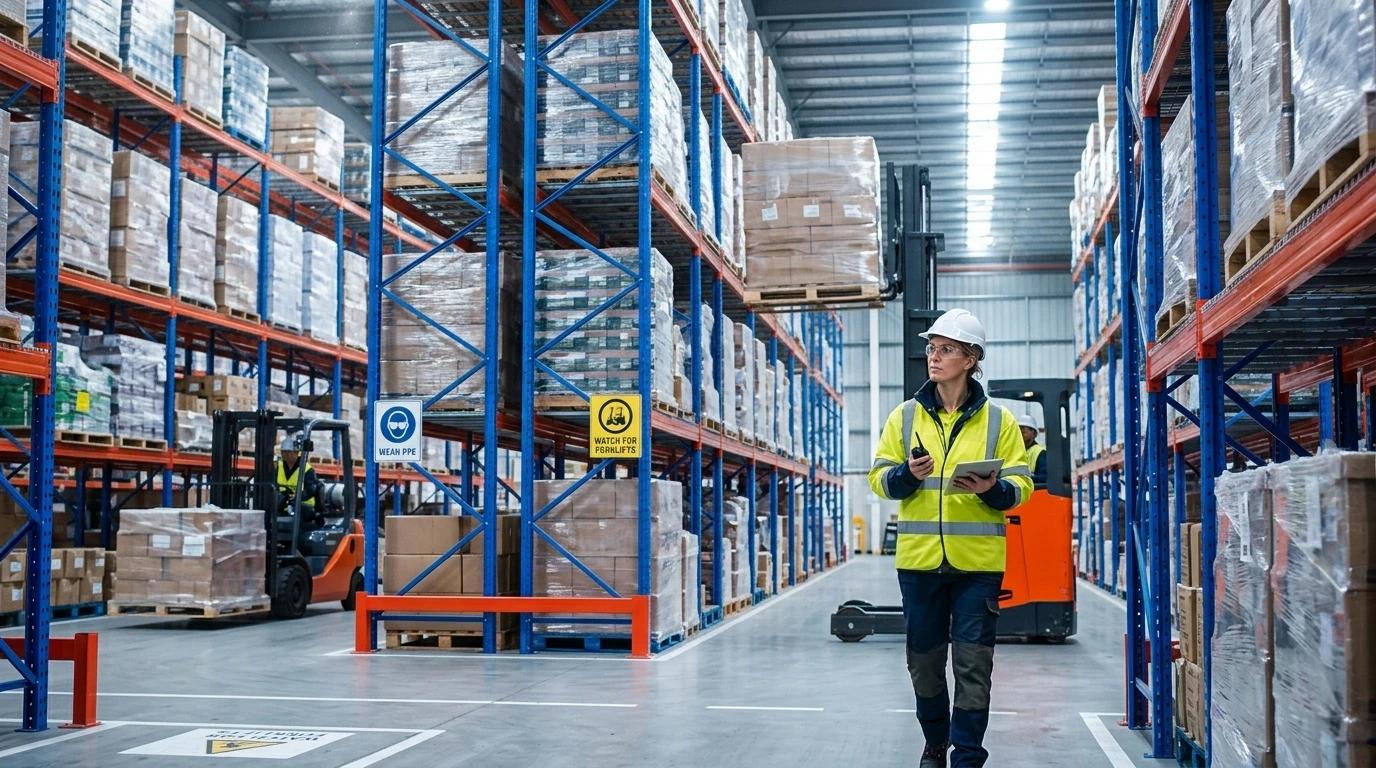
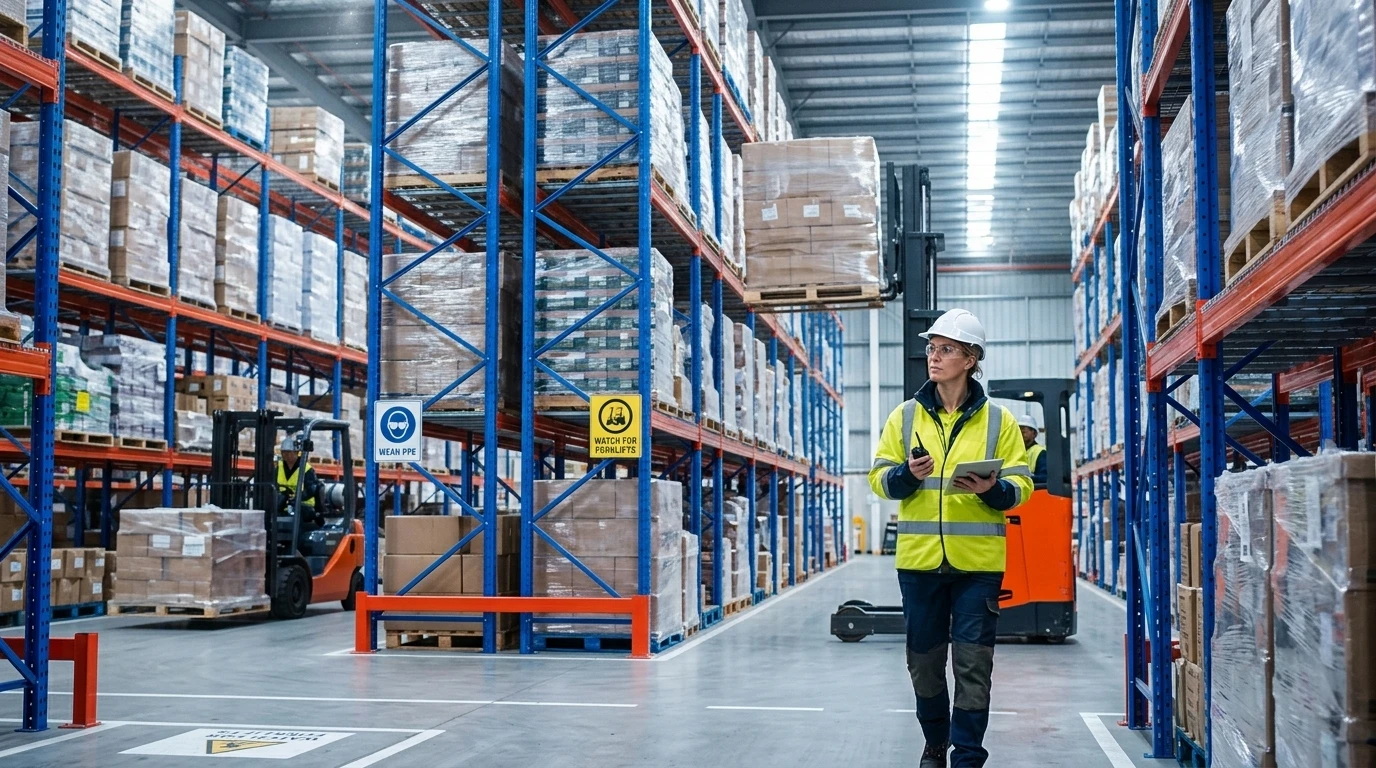
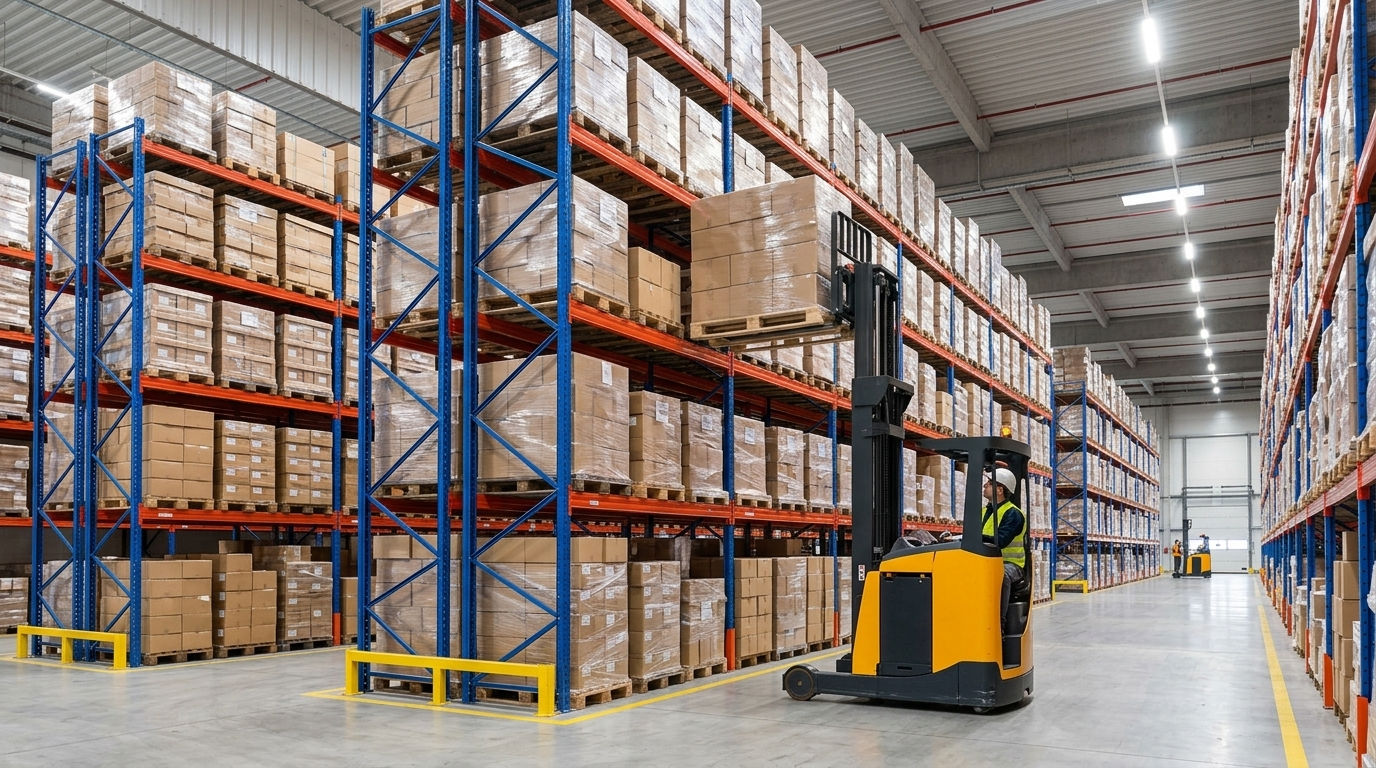
Installing taller Warehouse racking allows businesses to take advantage of the building’s full height without increasing its footprint. Instead of expanding outward, inventory grows upward.
Of course, taller storage systems require proper planning. Managers should consider:
- Ceiling height
- Fire suppression clearance
- Forklift reach capacity
- Employee safety
- Weight distribution
When designed correctly, vertical storage can significantly increase pallet capacity while maintaining efficient operations.
Organize Inventory Based on Movement
Not every product deserves the same amount of warehouse space.
A common inventory strategy known as ABC analysis categorizes products according to how frequently they’re picked.
For example:
- Fast-moving items stay close to shipping areas.
- Medium-demand products occupy secondary storage.
- Slow-moving inventory is placed in higher or less accessible rack locations.
This approach reduces unnecessary travel throughout the warehouse while freeing premium storage locations for products that truly need them.
Improved organization often increases operational efficiency as much as adding additional storage locations.
Upgrade to Modern Pallet Racking Systems
Older storage methods frequently waste valuable warehouse space.
Modern +6 are designed to improve storage density while keeping inventory accessible. Depending on operational needs, warehouses may choose from selective racks, drive-in systems, double-deep racks, or cantilever storage for oversized materials.
The right racking solution depends on several factors, including inventory turnover, product dimensions, forklift type, and picking methods. Investing in a storage system that matches daily operations can improve both capacity and efficiency without changing the warehouse footprint.
Reduce Clutter Through Better Inventory Management
Storage problems aren’t always caused by limited space. Sometimes they’re caused by keeping inventory that no longer serves the business.
Regular inventory reviews help identify:
- Obsolete products
- Damaged inventory
- Duplicate stock
- Seasonal items that should be relocated
- Slow-moving materials
Removing unnecessary inventory immediately creates additional storage capacity without spending a dollar on expansion.
Many warehouses schedule quarterly inventory audits to keep storage areas organized and prevent overcrowding.
Narrow Aisles Where Possible
Wide aisles improve accessibility, but they also consume valuable floor space.
Advances in forklift technology allow many warehouses to safely operate with narrower aisles than older facilities required.
Before reducing aisle widths, businesses should evaluate:
- Equipment turning radius
- Safety requirements
- Picking methods
- Local regulations
Even reducing aisle width by a small amount across an entire warehouse can create enough room for several additional rows of storage.
Improve Picking Efficiency
Increasing storage capacity isn’t only about fitting more products inside a building.
It’s also about allowing employees to move through the warehouse more efficiently.
Poor picking routes often create congestion, slowing operations and making storage areas feel more crowded than they actually are.
Some effective improvements include:
- Grouping similar products together
- Creating dedicated fast-pick zones
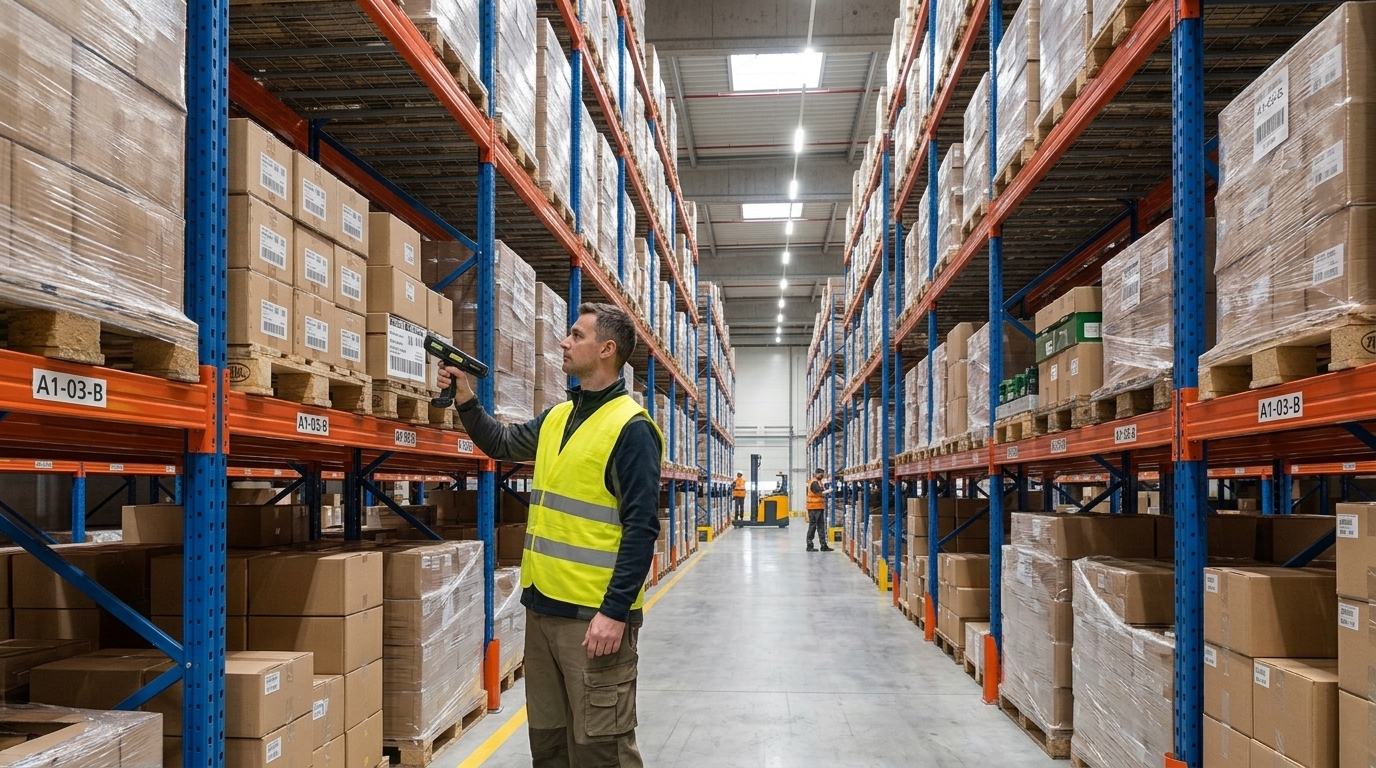
- Using barcode systems
- Implementing warehouse management software
- Clearly labeling every storage location
These improvements reduce unnecessary movement while making better use of existing storage space.
Use Flexible Storage Solutions
Warehouse requirements rarely stay the same year-round.
Seasonal businesses may need additional storage during peak months but much less space during quieter periods.
Flexible storage systems allow businesses to adapt without major renovations. Adjustable rack heights, modular shelving, and reconfigurable storage layouts make it easier to accommodate changing inventory levels while maximizing every square foot.
Instead of rebuilding the warehouse every few years, companies can modify their storage configuration as business needs evolve.
Keep Safety a Priority While Maximizing Space
Increasing storage density should never come at the expense of workplace safety.
Overloaded racks, blocked emergency exits, and crowded aisles create serious hazards for employees and equipment alike.
As storage capacity increases, warehouse managers should continue monitoring:
- Rack load capacities
- Forklift operating clearances
- Emergency exit access
- Fire protection requirements
- Routine rack inspections
A well-organized warehouse isn’t simply one that stores more inventory, it’s one that allows employees to work safely and efficiently every day.
Invest in Long-Term Storage Planning
One mistake many businesses make is waiting until the warehouse is completely full before making improvements.
Instead, storage planning should be an ongoing process.
Reviewing inventory trends, forecasting future growth, and evaluating storage systems regularly allows businesses to make gradual improvements instead of reacting during periods of rapid expansion.
Even small adjustments made consistently over time can delay or eliminate the need for an expensive facility expansion.
Final Thoughts
Running out of warehouse space doesn’t always mean it’s time to move into a larger building. In many cases, the answer lies in making better use of the space that’s already available.
Simple changes, such as improving inventory organization, utilizing vertical storage, upgrading to Warehouse racking, and investing in efficient pallet racking systems, can significantly increase storage capacity while improving workflow and reducing operational costs.
Before committing to a costly expansion project, take a fresh look at your current warehouse. With thoughtful planning and the right storage solutions, you may discover that the extra space you need has been there all along.