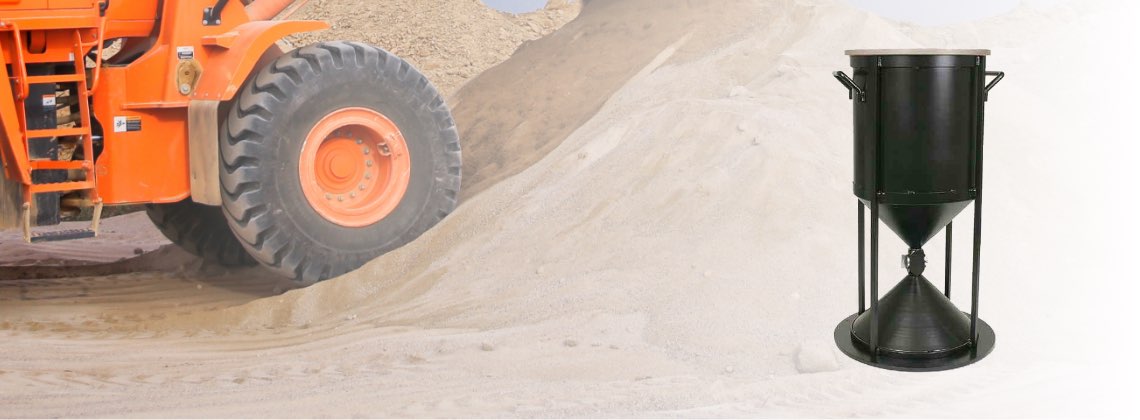
Soil permeability refers to the rate at which soil allows water to flow through it due to its grain structure and void spaces. Knowing how easily water can travel through the layer structure of a
…Read More
The concrete hammer test is useful for determining a variety of concrete characteristics in a non-destructive way. With it, a technician can assess the uniformity and quality of the concrete based
…Read More
The concrete compression test is a simple procedure that can reveal a lot about the quality of a concrete sample, including the overall strength it will provide to the final structure and the adequac
…Read More
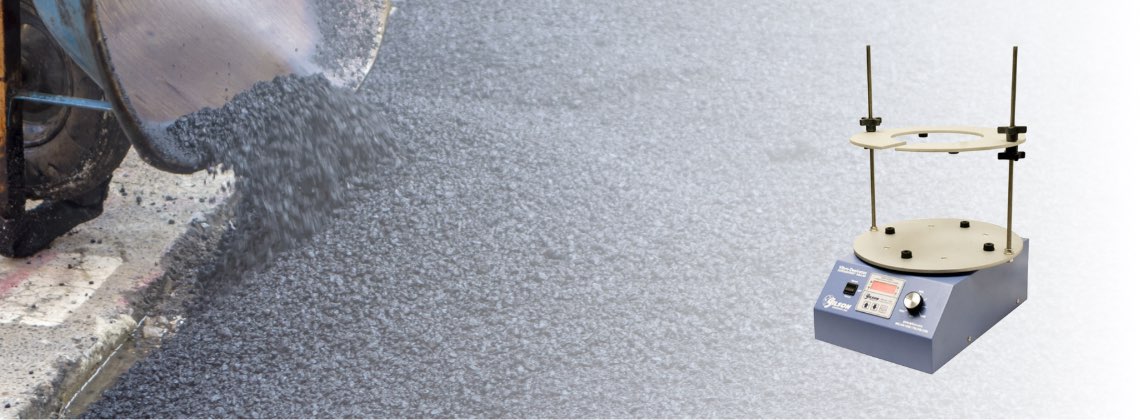
Asphalt and concrete aggregates need to be able to stand up to the relentless wear and tear that comes from years of use and constant exposure to the elements. For the most part, the strength of
…Read More
Becoming a construction materials testing technician means you're prepared to take on one of the biggest responsibilities in the world of construction projects. This role is critical to ensuring that
…Read More
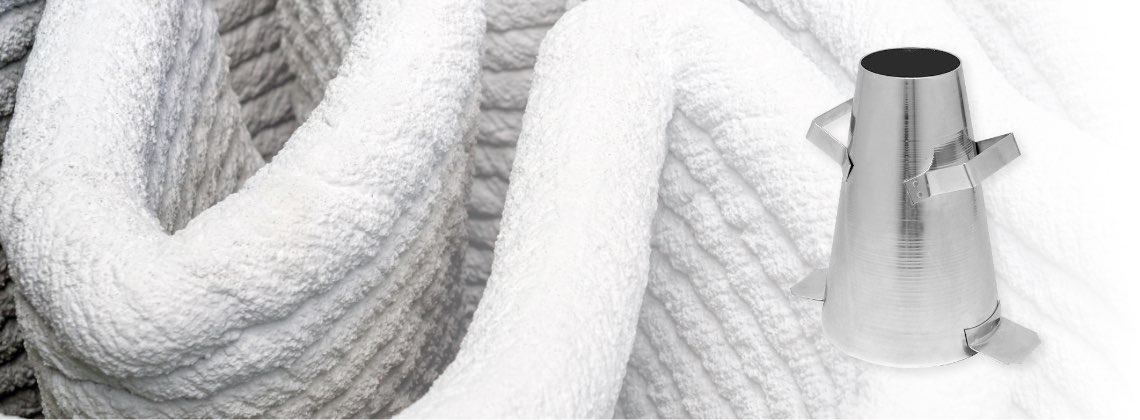
Finding the right ratio of cement, water and admixtures used to reinforce a concrete mix will all affect a property called "workability." Workability of concrete is directly proportional to the streng
…Read More
The fineness or coarseness of an aggregate plays a major part in determining the type of mix design needed to create strong, durable concrete. As such, finding a sample's fineness modulus is required
…Read More
The water content of soil can significantly change its behavior. In order to get a reading on how soil will change depending on its level of moisture, and how stable it will be as it changes, engineer
…Read More