Repair vs. Full Replacement: Diagnosing When Individual Vinyl Panels Can Be Swapped Out
Sep 07, 2026
Do you live in Moncton, Canada? If so, you will likely experience extreme seasonal temperature fluctuations that can strain your home's exterior cladding year-round. The cold winter storms can cause the vinyl panels to contract, while the humid summer heat can cause the material to expand quickly. Such ongoing thermal cycles impose physical stress that gradually leads to localized warping, cracking, and even damage.
Analyzing whether your home exterior cladding needs a total overhaul or panel repair will save you time and money. Recognizing the initial warning signs enables property owners to maintain wall integrity before extreme structural damage occurs.
Assess the extent of the exterior damage
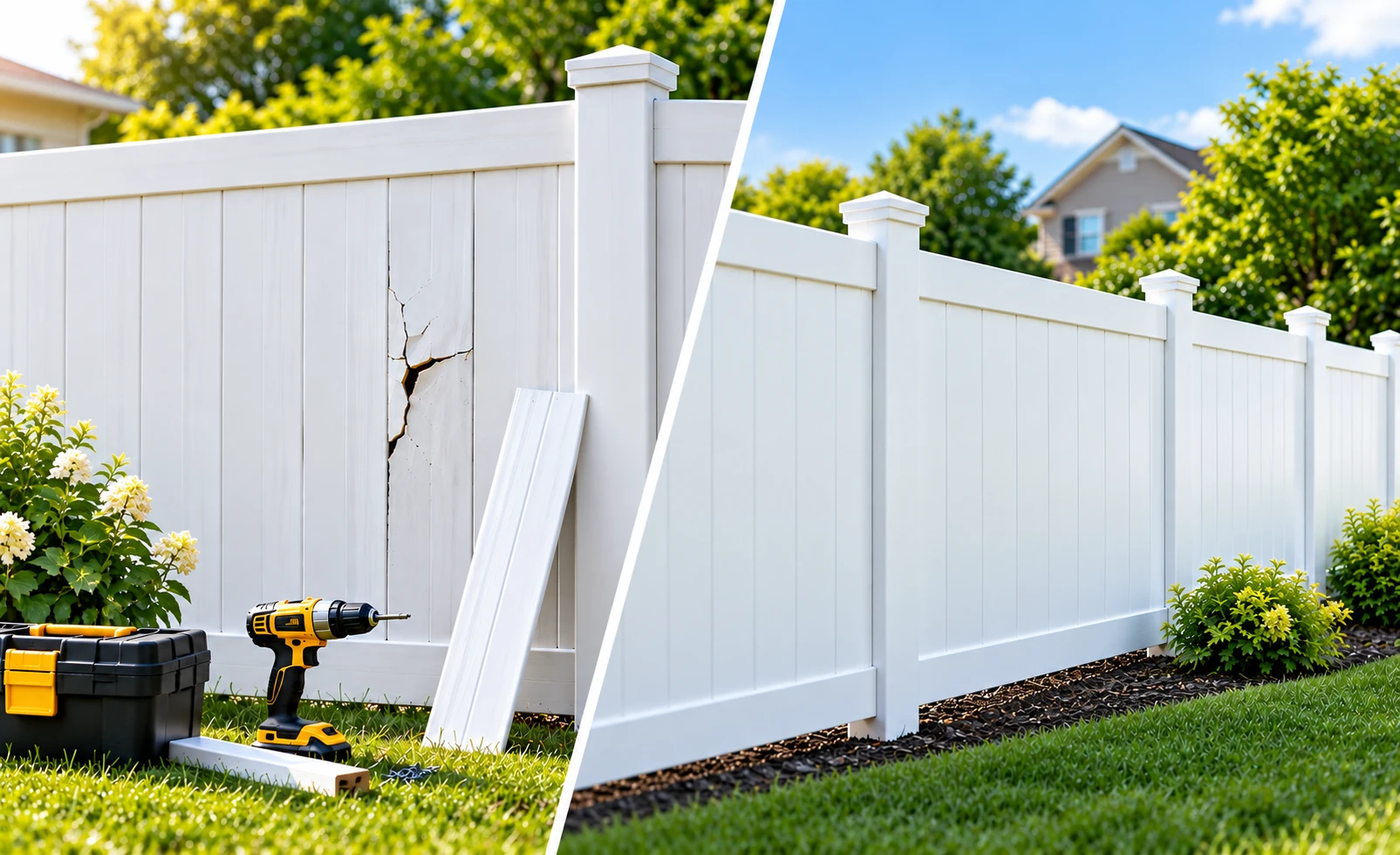
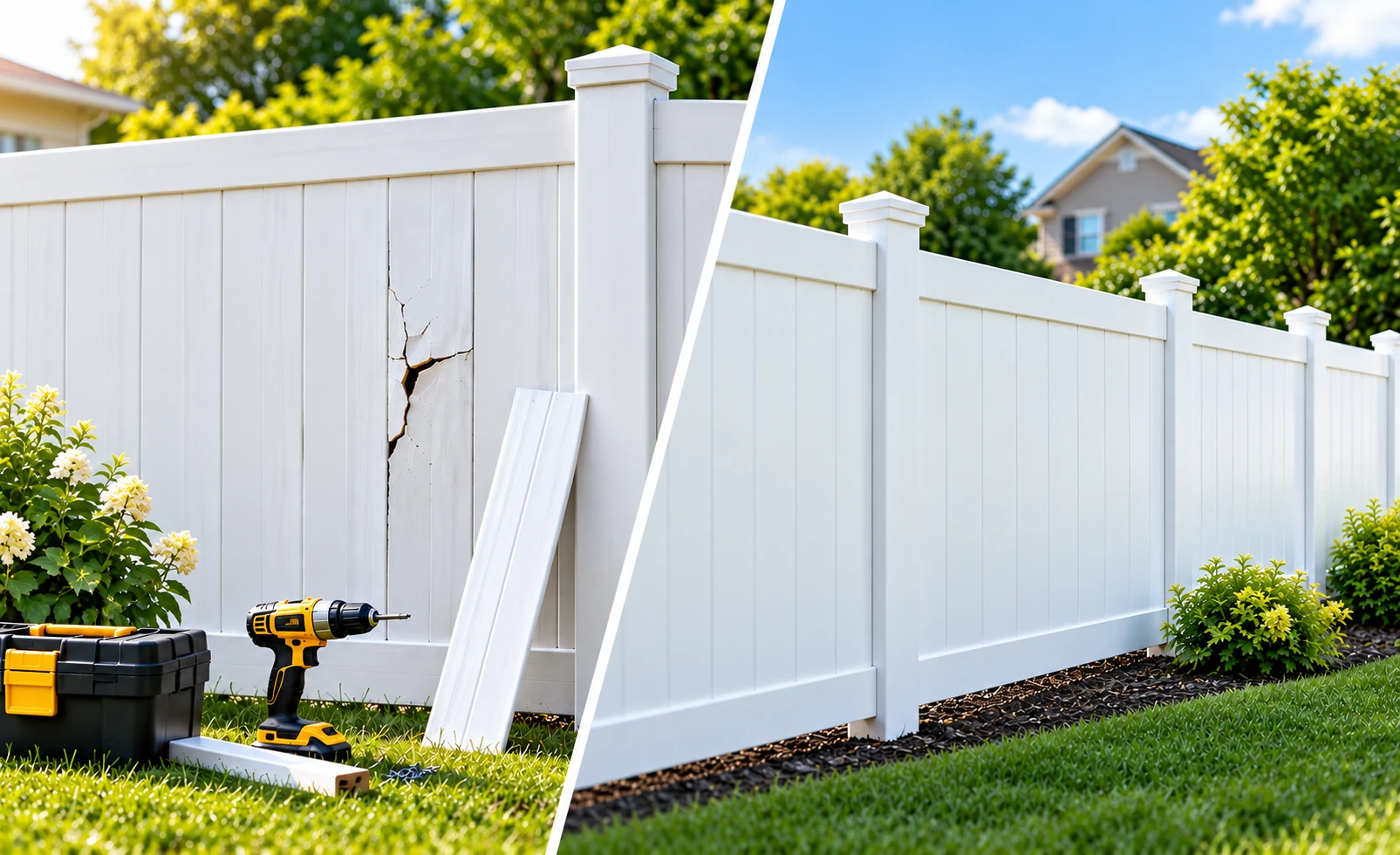
Whether replacement or repair of siding is required depends on the pattern of damage seen on the house. Individual crack spots caused by accidental impacts from a lawn mower or hail usually involve replacing just a few panels. Physical damage concentrated in a particular part of a wall necessitates spot repairs, which are the appropriate solution. But if the damage pattern involves widespread brittle cracking, the entire material must be replaced, as it is completely damaged.
Match profiles and colour for singular panel swaps
Replacing individual vinyl panels requires selecting new panels with the same profile lock-in system and texture. Old panels fade slowly due to sunlight exposure, making it difficult to achieve colour matching when installing new factory-made panels. Specialists providing vinyl siding services Moncton select the right type of panels to match the old ones or remove panels from hidden parts of walls. Exposure level, shadow lines, and grain texture should be matched to make perfect repairs.
Evaluate physical degradation
Homeowners in Halifax must evaluate the extent of degradation. The points to remember here include:
- The brittle panels that shatter easily with mild impact suggest severe chemical degradation and require total replacement.
- The loose locking paths in the walls indicate a systemic installation failure rather than isolated damage that requires a quick fix.
- Intense chalking on the surface highlights UV-induced weathering and indicates that single-panel patches will appear highly mismatched.
Finally, constant panel clasping along complete elevation points to vast structural shifting or incorrect initial fastener installation.
Compare permanent costs of spot repair with complete replacement
Although exchanging individual panels saves money upfront, the repeated need for repairs on the deteriorating siding soon becomes economically impractical. The repeated visits needed to address successive panel breakdowns add up to costly labour expenses after just a few years. The choice to replace everything ensures a consistent exterior appearance, with full manufacturer warranty coverage for materials and labour. Replacement also increases property value and consistently ensures visual beauty.
Conclusion
It is important to determine whether your house's exterior needs specific panel repairs or a full replacement, as this helps save money and protect your home in the long run. Though small localized damages can be fixed through quick panel changes if other materials around are elastic and steady, older profiles, general wear and tear, and rot – all these will require the old siding to be replaced entirely in order not to risk the state of the whole building envelope. For details, visit Artisanroofing.ca and make confident decisions about exterior repairs.