How Gearbox Problems Affect Testing Labs
Sep 23, 2026
Machines can run for weeks, months even, while small mechanical issues quietly pile up underneath the surface. A crusher sounds a little rougher than it did last month. Nobody says anything. It's still working, after all.
Gearbox trouble rarely announces itself. Usually it's something small enough that everyone assumes someone else noticed it first, and by the time it gets flagged, it's been going on for a while.
For labs working with construction materials, that matters more than it might in other settings. Crushers, mixers, and pulverizers are often doing the prep work behind whatever aggregate testing equipment the lab relies on downstream, so once their mechanical condition starts slipping, it doesn't stay isolated. It shows up in the consistency of the results. Cement dust gets into everything it shouldn't. Moisture does its own quiet damage. Add constant start-stop cycles and heavier-than-usual workloads, and wear just adds up faster than most people expect.
Lubrication Trouble Usually Starts Quietly
Gearbox running hot? Making a noise that wasn't there last week? Check the oil first. Sometimes the level's dropped. Sometimes it's just old, or the wrong lubricant was used at some point and nobody caught it. And if the level keeps dropping on its own, that's not really an oil problem, it's a seal problem, or a leak somewhere that needs finding rather than topping off week after week.
Construction labs aren't gentle on machinery. Cement dust gets past seals and breathers that were never quite built to keep it all out, and moisture from cleaning or wet samples doesn't do the lubricant any favors either. Once oil is contaminated or breaking down, it stops doing its job, and friction picks up the slack. Labs running cement testing equipment constantly tend to notice this faster, mostly because there's more dust in the air to begin with.
Dark oil is one clue. So is a burnt smell, or a drain plug with tiny metal flecks stuck to it, or a leak that keeps coming back no matter how many times someone wipes it down. Individually these don't mean much. Together, ignored long enough, they usually mean a bigger bill later.
Bearing Wear Doesn't Always Announce Itself
Bearings rarely fail with the grinding noise people expect. It's usually just a low rumble under load. Maybe a bit more vibration than normal, or a housing that's warmer than it should be after a run that wasn't especially demanding.
What tends to get missed is how the failure spreads. As bearing clearance increases, the shaft drifts slightly out of position, which changes how the gears contact each other, which increases backlash, which puts more strain on the seals and couplings than they were built for. It doesn't stop being just a bearing problem for long.
Staff who run the same machine day after day tend to notice these shifts before an inspection ever would. Worth writing down, even when it seems minor. Especially when it seems minor.
When the Same Part Keeps Failing, Look at Alignment
If a bearing, seal, or coupling keeps failing, replacing it again probably isn't the fix. Misalignment between the motor and gearbox puts abnormal load on shafts and bearings, and it doesn't take much to cause it. Loose fasteners. A base that's shifted slightly. An earlier repair that wasn't quite squared away.
A new bearing might buy some time, but if the alignment's still off, that part is on the same path as the last one. Repeated failures are usually a hint to look at the whole drive train, not just swap the piece that broke this time.
Overloading and Contamination Pile On
Overloading rarely happens on purpose. It creeps in. A crusher starts taking bigger pieces than it used to. A mixer handles heavier batches. A pulverizer runs longer because the lab's gotten busier, especially in labs juggling both soil testing equipment and aggregate work on the same schedule.
None of that feels like overloading in the moment. But push equipment past what it was sized for and the gears and bearings pay for it, along with the operating temperature. If workloads have grown noticeably since the machine was bought, it's worth asking, honestly, whether it's still the right size for what's being asked of it.
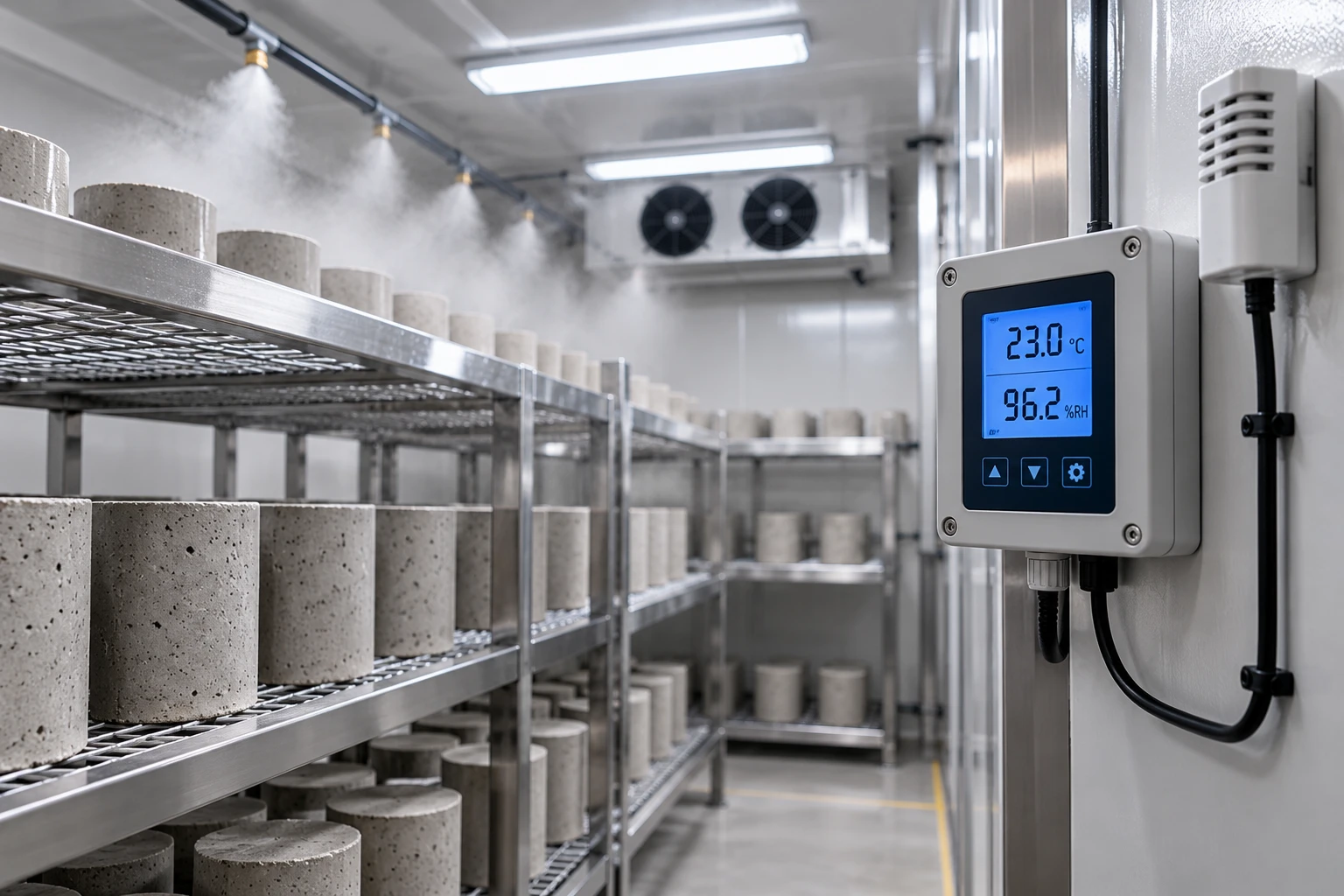
Then there's the dust and moisture. Fine particles work through worn seals; moisture speeds up corrosion and breaks lubricant down faster than it should. Clean equipment, checked seals, oil that's actually being monitored — none of it glamorous, but it's usually the gap between a small fix and a big one. The right lab equipment for tracking temperature and moisture helps catch that pattern early.
Repair Doesn't Have to Mean Replacement
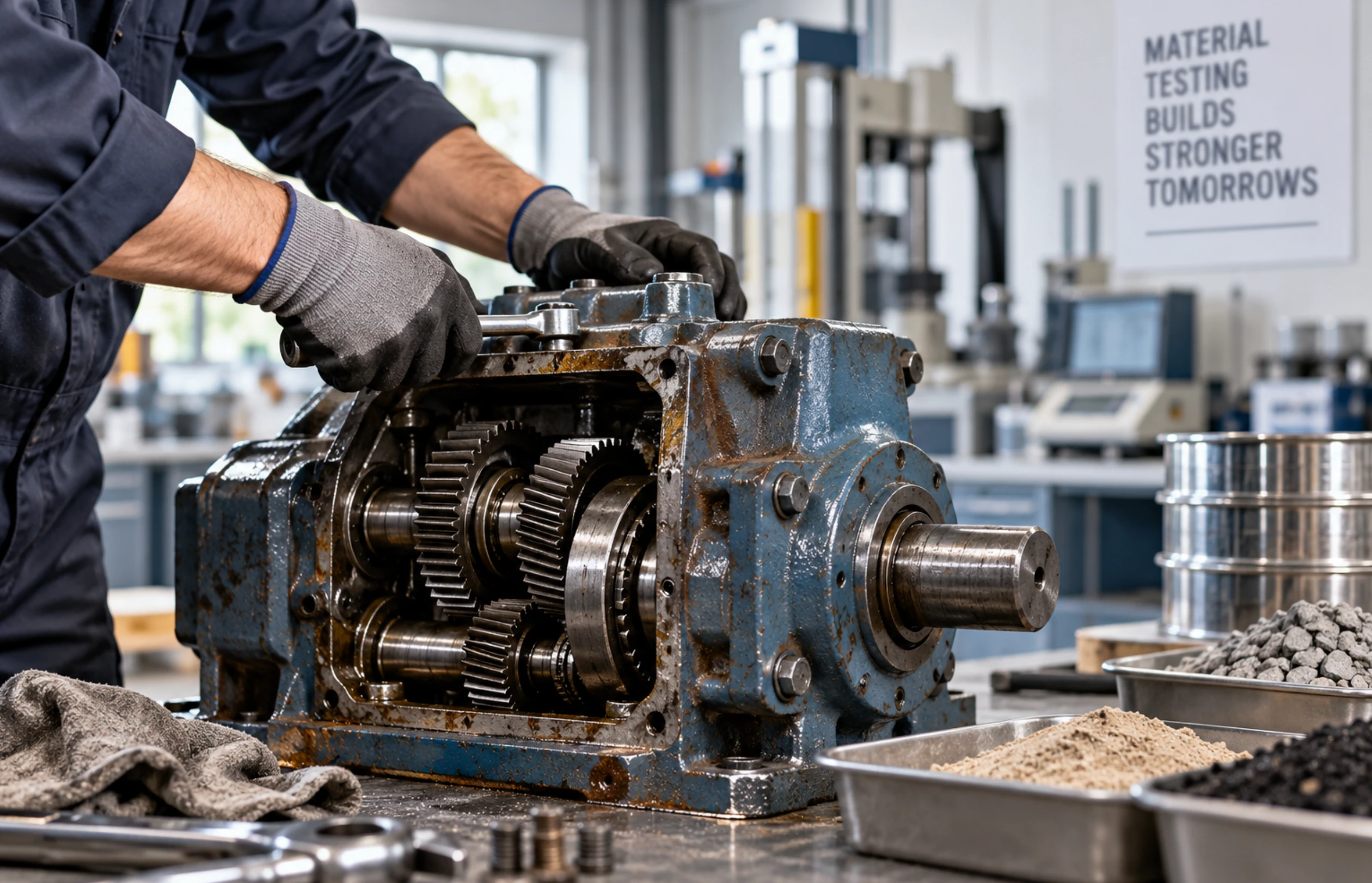
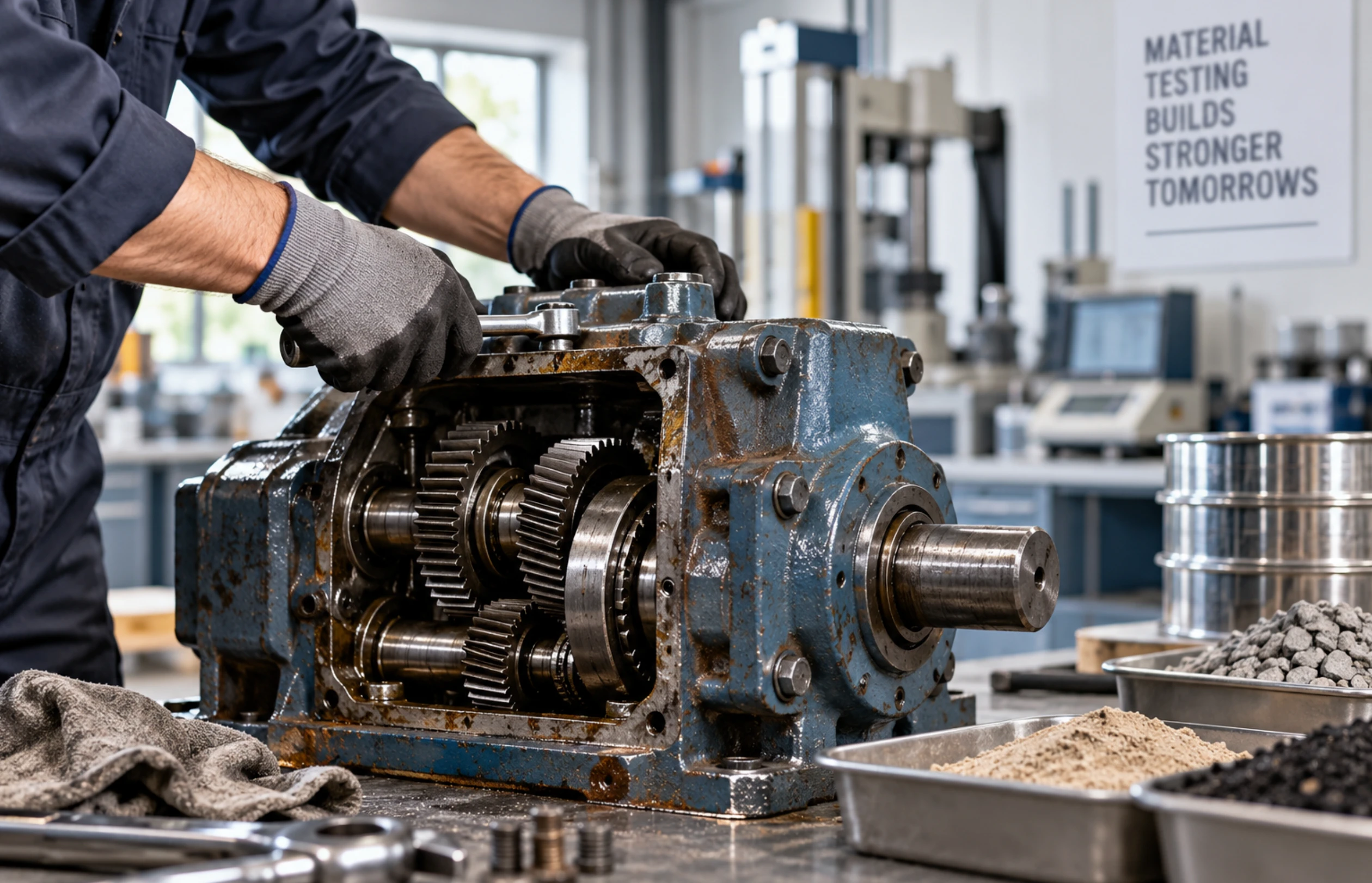
A failed gearbox doesn't put the whole crusher, mixer, or pulverizer on the scrap pile. Not automatically, anyway. When the damage is mostly limited to gears, bearings, shafts, or seals, industrial gearbox repair tends to be a cheaper path than buying new, and often a faster one too.
This comes up a lot with older units. Maybe the original gearbox was discontinued years ago. Maybe the parts just aren't stocked anywhere anymore. A new machine could mean a wait measured in months rather than weeks. In those cases, custom gear manufacturing built off the worn original through reverse engineering can keep a perfectly serviceable machine running instead of retiring it over one bad part.
The housing and the rest of the machine still matter, obviously. But an obsolete gearbox on its own isn't a death sentence for the equipment around it.
Fixing the Gearbox Isn't the Same as Being Ready to Test Again
Getting the gearbox spinning again is only part of it. A mixer has to mix the same way it always did. A crusher has to do its actual job in sample prep, not just run. Touch anything tied to speed, load, or temperature during the repair, and the equipment may need to be checked and recalibrated, not just flipped back on and trusted.
A machine can sound completely healthy on the outside and still be off where it counts, on the measurement side. The reverse happens too: a properly calibrated instrument with a mechanical fault nobody's caught yet. Repair records and calibration records really need to sit next to each other whenever equipment comes back online, not get filed separately and forgotten.
Why Keeping a History Matters
One temperature reading tells you almost nothing. A string of readings, climbing slowly over a few weeks? That tells a story. A baseline is what turns a number into information.
So write it down. Sounds, temperature shifts, leaks, repairs, whatever the operating conditions were that day. It feels tedious in the moment. It's what turns a one-off problem into a recognizable trend, months later, when it actually matters.
It also gives context after a repair. If a machine had been acting slightly off for a while before the gearbox went, it's worth going back and asking whether the sample prep or testing done during that stretch should be reviewed too.
Catching Problems Early Protects More Than Just the Gearbox
One gearbox failure can take more than one machine offline. Sample prep stalls. Backlogs build. Reports get delayed. And whatever equipment is still running picks up the slack, which adds its own wear.
The warning signs are almost always ordinary. A leak that won't quite go away. A sound that's changed. Vibration that's crept up slowly enough that nobody flagged it. None of it guarantees disaster is coming. But each one is a chance to look before the repair bill gets a lot bigger than it needed to be.
Good lubrication. Proper alignment. Loads that match what the machine was built for. Someone actually paying attention, and records that back it up. None of it is complicated. It's just the difference between catching a problem early and finding out about it the hard way.