How to choose a concrete air meter for your aggregate type
Posted by Editorial Team on Nov 20, 2026
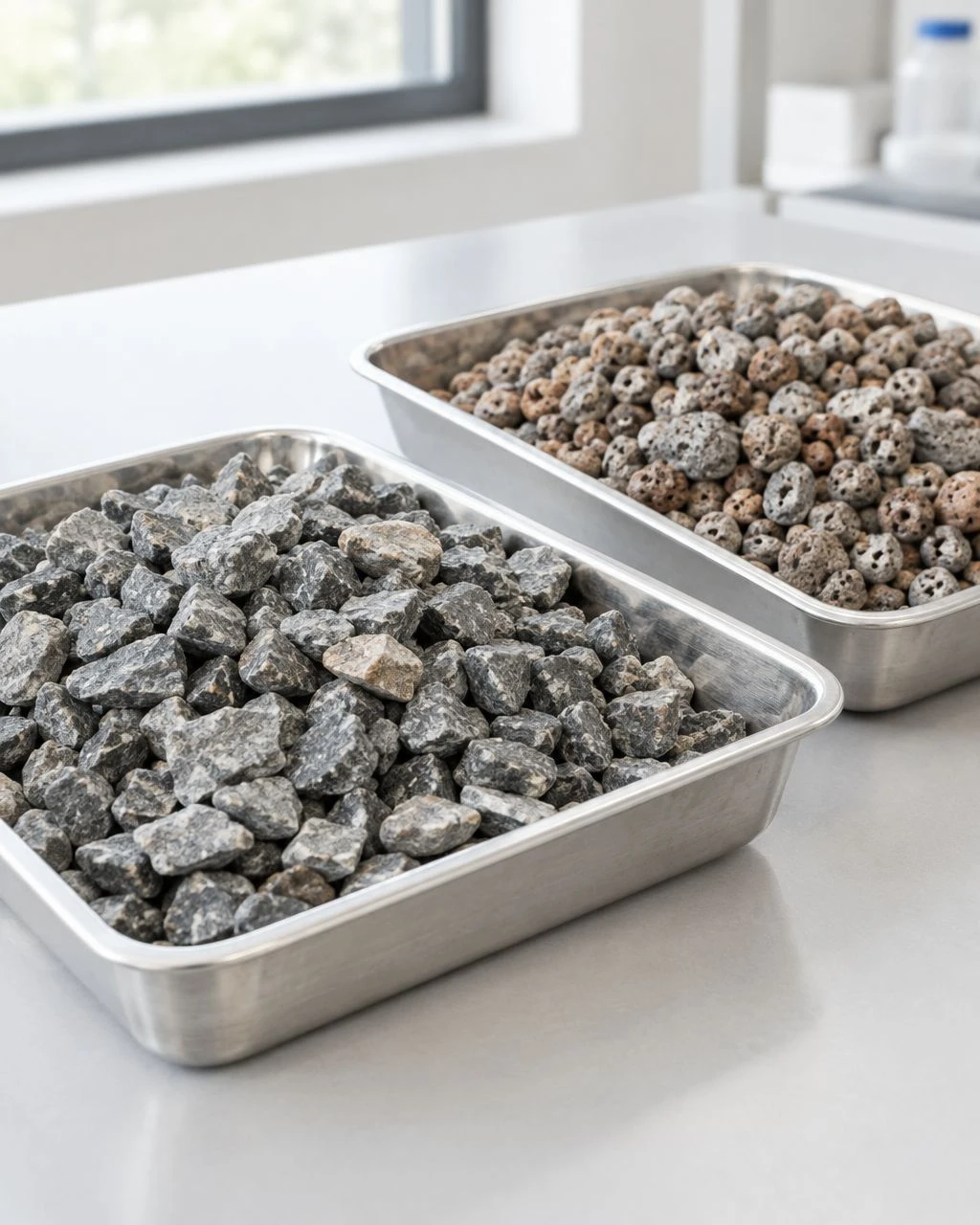
Choose a pressure concrete air meter for concrete made with relatively dense, normalweight aggregate, and choose a volumetric air meter for lightweight or highly porous aggregate. Pressure testing requires an aggregate correction factor; volumetric testing removes air through agitation rather than inferring air content from pressure. For your equipment selection, match the aggregate and governing test method before comparing meter features.
- Choose a pressure concrete air meter for relatively dense, normalweight aggregate under ASTM C231/C231M.
- Choose a volumetric air meter for lightweight or highly porous aggregate under ASTM C173/C173M.
- Pressure-meter readings require an aggregate correction factor appropriate to the aggregate being tested.
- Certified Material Testing Products serves construction laboratories selecting concrete testing equipment and laboratory supplies.
Why this matters
An air meter measures fresh concrete, but the aggregate determines whether the measurement principle is appropriate. A pressure meter cannot distinguish the intended air measurement from the effect of compressible air within porous aggregate without the limitations addressed by its test method.
Choose the method before choosing the instrument. A convenient gauge, familiar bowl, or preferred operating procedure does not make a pressure meter suitable for every concrete mixture.
Compare concrete air entrainment testing equipment against your aggregate type and project specification. A category listing does not establish an individual instrument’s method suitability.
How do you choose a concrete air meter for your aggregate type?
Start with the aggregate description and the specified test method. ASTM C231/C231M addresses the pressure method for freshly mixed concrete; ASTM C173/C173M addresses the volumetric method.
| Selection criterion | Pressure air meter | Volumetric air meter |
|---|---|---|
| Best for | Concrete containing relatively dense, normalweight aggregate | Concrete containing lightweight, porous, or other aggregate unsuitable for pressure testing |
| Measurement principle | Relationship between applied pressure and air volume | Displacement of air through agitation with water and the prescribed procedure |
| Aggregate correction | Requires an aggregate correction factor | Does not require the pressure method's aggregate correction factor |
| Main practical advantage | Direct pressure-based measurement for suitable concrete | Applicable to concrete containing any type of aggregate |
| Main limitation | Not applicable to lightweight aggregate or highly porous aggregate | Requires careful rolling, agitation, settling, and reading |
| Governing reference | ASTM C231/C231M | ASTM C173/C173M |
ASTM C231/C231M is intended for concrete made with relatively dense aggregates. It is not applicable to concrete containing lightweight aggregate, air-cooled blast-furnace slag, or aggregate of high porosity. ASTM C173/C173M provides the volumetric alternative for concrete containing any type of aggregate.
For a purchase specification, identify the applicable standard and required edition separately from the equipment model. A product description that mentions a standard still needs review against the apparatus requirements and your laboratory's procedures.
Follow this selection sequence
- Identify the aggregate. Obtain the aggregate designation and source information from the mixture documentation. Do not infer suitability from the finished concrete's appearance.
- Confirm the method. Read the project specification and laboratory procedure. Resolve any conflict between the prescribed method and aggregate suitability before testing.
- Check specimen requirements. Confirm nominal maximum aggregate size, sample preparation, and whether wet sieving is necessary.
- Review the instrument. Compare documented capacity, closures, seals, measuring components, and calibration provisions with the selected method.
- Plan verification. Establish how technicians will verify operation, maintain the meter, and record the applicable correction or calibration information.
Pressure air meters: best for relatively dense aggregate
A pressure concrete air meter is the appropriate starting point when your concrete contains relatively dense, normalweight aggregate and the specification calls for ASTM C231/C231M. The method measures air content through the response of the concrete sample to pressure.
Its advantage is a pressure-based reading without the rolling procedure required by the volumetric method. Its limitation is equally important: aggregate characteristics affect the result, and the method requires an aggregate correction factor.
Understand Type A and Type B before comparing models
ASTM C231/C231M describes Type A and Type B pressure meters. Both are pressure instruments; Type B does not mean volumetric.
A Type A meter determines air content through the relationship between applied pressure and the change in water level. A Type B meter uses a chamber of known air volume at a known pressure and determines air content after pressure equalization with the sample container.
Compare the actual apparatus description rather than relying on the type designation alone. Check how technicians establish the starting condition, apply pressure, read the result, and verify the instrument.
Treat the aggregate correction factor as test information
Determine the aggregate correction factor using the procedure in ASTM C231/C231M and aggregate representative of the concrete being tested. The factor is not a universal allowance attached permanently to a meter.
The reported concrete air content reflects the apparent reading corrected for the aggregate contribution. If the aggregate source or relevant characteristics change, review whether the existing correction remains applicable.
Do not use a correction factor to justify pressure testing concrete outside the method's scope. Highly porous aggregate is a method-selection issue, not simply a larger correction.
Volumetric air meters: best for lightweight or porous aggregate
Choose a volumetric concrete air meter when lightweight or highly porous aggregate makes pressure testing inappropriate. ASTM C173/C173M determines air content by separating air from the fresh concrete through the prescribed agitation and rolling procedure.
The method's advantage is its applicability to concrete containing any type of aggregate. Its practical limitation is procedural sensitivity: incomplete agitation, foam, leakage, or an unstable liquid level interferes with a valid determination.
Review the complete operating procedure
A volumetric meter is not just a container with a graduated neck. Its bowl, top section, seals, closures, and graduations must work together through handling and rolling.
Before purchase, confirm how the instrument is assembled, how the liquid level is established, and how the result is read. Review the required accessories and consumables against the current procedure rather than assuming everything needed accompanies the meter.
Technician training matters because the operation differs from pressure testing. Familiarity with a pressure meter does not establish proficiency with the volumetric method.
Do not select volumetric testing only as a fallback
Volumetric testing is not restricted to lightweight concrete. ASTM C173/C173M applies to concrete containing any type of aggregate, including dense aggregate, when the governing specification permits that method.
For your laboratory procedure, document why the method was selected. A clear record prevents technicians from switching instruments solely because another meter is closer to the sampling point.
Why concrete air meter selection varies
The correct instrument depends on the material and required procedure, not a general preference for one meter design. Review these factors together:
- Aggregate porosity: Highly porous aggregate falls outside the pressure method's intended application and directs selection toward volumetric testing.
- Aggregate type: Lightweight aggregate and air-cooled blast-furnace slag require particular attention because ASTM C231/C231M excludes them from its application.
- Aggregate size: Oversize particles affect specimen preparation and whether wet sieving is required before air testing.
- Project requirements: A technically applicable method still must satisfy the specified acceptance procedure.
- Correction and verification: Pressure testing requires aggregate correction information; either method requires suitable apparatus and the prescribed verification practices.
- Field operation: Access to sample preparation space, water, cleaning facilities, and trained personnel affects whether you can execute the selected method correctly.
Avoid choosing on handling convenience alone. An instrument that is easier to transport does not compensate for using the wrong measurement principle.
How does aggregate size affect your air meter selection?
50 mm nominal maximum aggregate size is an important scope check in ASTM C231/C231M. The pressure method addresses relatively dense aggregate up to that size; larger aggregate requires the prescribed modification to sample preparation.
For concrete containing larger particles, the method calls for wet sieving over a 37.5 mm sieve to remove those particles before testing. Follow the applicable ASTM C172/C172M sampling procedure and the selected air-content method, including any required interpretation of the result.
Do not choose a bowl simply because the largest visible stone fits through its opening. Apparatus capacity, specimen preparation, and test-method scope are separate requirements.
Protect sample representativeness
Prepare the test portion from a representative sample. Avoid selectively removing inconvenient particles by hand or using material that has already segregated during handling.
ASTM C172/C172M requires starting air-content testing within 5 minutes after obtaining the final portion of the composite sample. Organize the meter, accessories, and personnel before sampling so equipment preparation does not consume that interval.
For a field checklist, keep the sampling requirement beside the air-test procedure. A suitable meter does not rescue a sample that was collected or handled incorrectly.
What should you verify before ordering a concrete air meter?
Ask for documentation that answers the operational questions below. Keep model-specific claims separate from general statements about the test method.
Apparatus and measurement
- Does the documented instrument design match the selected ASTM method?
- Are the measuring range, graduation characteristics, and apparatus capacity stated?
- Does the documentation explain the required calibration or verification procedure?
- Are the necessary accessories identified rather than assumed?
Do not interpret a readable display or a finely divided scale as proof of measurement accuracy. Accuracy depends on the apparatus, its condition, its verification, and correct execution of the method.
Maintenance and handling
Inspect sealing surfaces, clamps, valves, and other applicable components before use. Residual concrete, damaged seals, or malfunctioning fittings can prevent the instrument from maintaining its intended operating condition.
Review cleaning instructions before assigning a meter to field service. A routine that leaves hardened cement paste on a sealing surface creates an avoidable operating problem at the next test.
For a volumetric setup, review the Volumetric Air Meter Kit. Check its documented contents, operating instructions and accessories against ASTM C173/C173M before ordering. Do not assume that a kit’s capacity or included equipment matches another model.
Can you use one air meter for every concrete mixture?
A volumetric air meter can test concrete containing any type of aggregate under ASTM C173/C173M, but that does not make it an automatic substitute for a project-specified pressure test. Confirm acceptance requirements before standardizing on one method.
A pressure meter is not a universal choice because ASTM C231/C231M excludes certain aggregate types. If your laboratory handles both dense normalweight aggregate and lightweight aggregate, separate the method-selection decision from the equipment-inventory decision.
Is a pressure meter reading valid without an aggregate correction factor?
ASTM C231/C231M requires the aggregate correction factor when determining concrete air content by the pressure method. An uncorrected apparent reading is not the same as the reported air content required by the method.
Keep the correction information traceable to the relevant aggregate. Do not copy a factor from an unrelated mixture merely because both mixtures use normalweight aggregate.
FAQ
What's the best concrete air meter for lightweight aggregate?
A volumetric air meter is the appropriate choice for lightweight aggregate under ASTM C173/C173M. ASTM C231/C231M pressure testing is not applicable to concrete containing lightweight aggregate.
Can I use a pressure air meter for normalweight concrete?
A pressure air meter is suitable for concrete containing relatively dense, normalweight aggregate when ASTM C231/C231M applies. Confirm the aggregate characteristics, project requirements, and aggregate correction factor before testing.
Are Type A and Type B air meters different test methods?
Type A and Type B are both pressure-meter designs described in ASTM C231/C231M. Neither designation refers to the volumetric method in ASTM C173/C173M.
Does a volumetric air meter need an aggregate correction factor?
A volumetric air meter does not require the aggregate correction factor used in the pressure method. Follow ASTM C173/C173M for the prescribed operation, reading, and applicable corrections.
Can a volumetric air meter test normalweight concrete?
A volumetric air meter can test concrete containing normalweight aggregate under ASTM C173/C173M. Confirm that the project specification permits the method before using it for acceptance testing.
Does aggregate size matter when choosing a concrete air meter?
Aggregate size matters because the test method specifies specimen and sample-preparation requirements. ASTM C231/C231M addresses relatively dense aggregate up to 50 mm nominal maximum size and specifies wet sieving over a 37.5 mm sieve for larger particles.
What should I check before buying a concrete air meter?
Check aggregate suitability, the required test method, documented apparatus specifications, verification procedures, and necessary accessories. Do not assume that a standard reference in a listing establishes suitability for every concrete mixture.
Wrapping Up
Specify the aggregate beside the test method on your equipment request. A request that says only concrete air meter leaves the most important selection decision unresolved.
Before approving your purchase, record the aggregate type, applicable method, specimen-preparation requirements, and verification plan. That short specification gives your laboratory a defensible basis for selecting the instrument—and your technicians a clear basis for using it.
For related purchasing checks, read the contractor’s guide to choosing testing equipment.
Topics: Concrete Testing; Air Content Testing.