What is a Lab Oven? Types, Uses, and How to Choose the Right One
Mar 21, 2026
Introduction
In laboratories and material testing environments, precision is everything. Even a small variation in temperature can affect test results, compromise data accuracy, and ultimately lead to incorrect conclusions. This is where lab ovens play a critical role. Designed to provide consistent and controlled heating, lab ovens are widely used across industries such as construction, environmental science, manufacturing, and research.
From drying soil samples to curing concrete and performing thermal resistance tests, lab ovens support a wide range of applications that demand reliability and accuracy. However, not all lab ovens are the same. Understanding how they work, their types, and how to select the right one for your specific needs can make a significant difference in both efficiency and outcomes.
What is a Lab Oven?
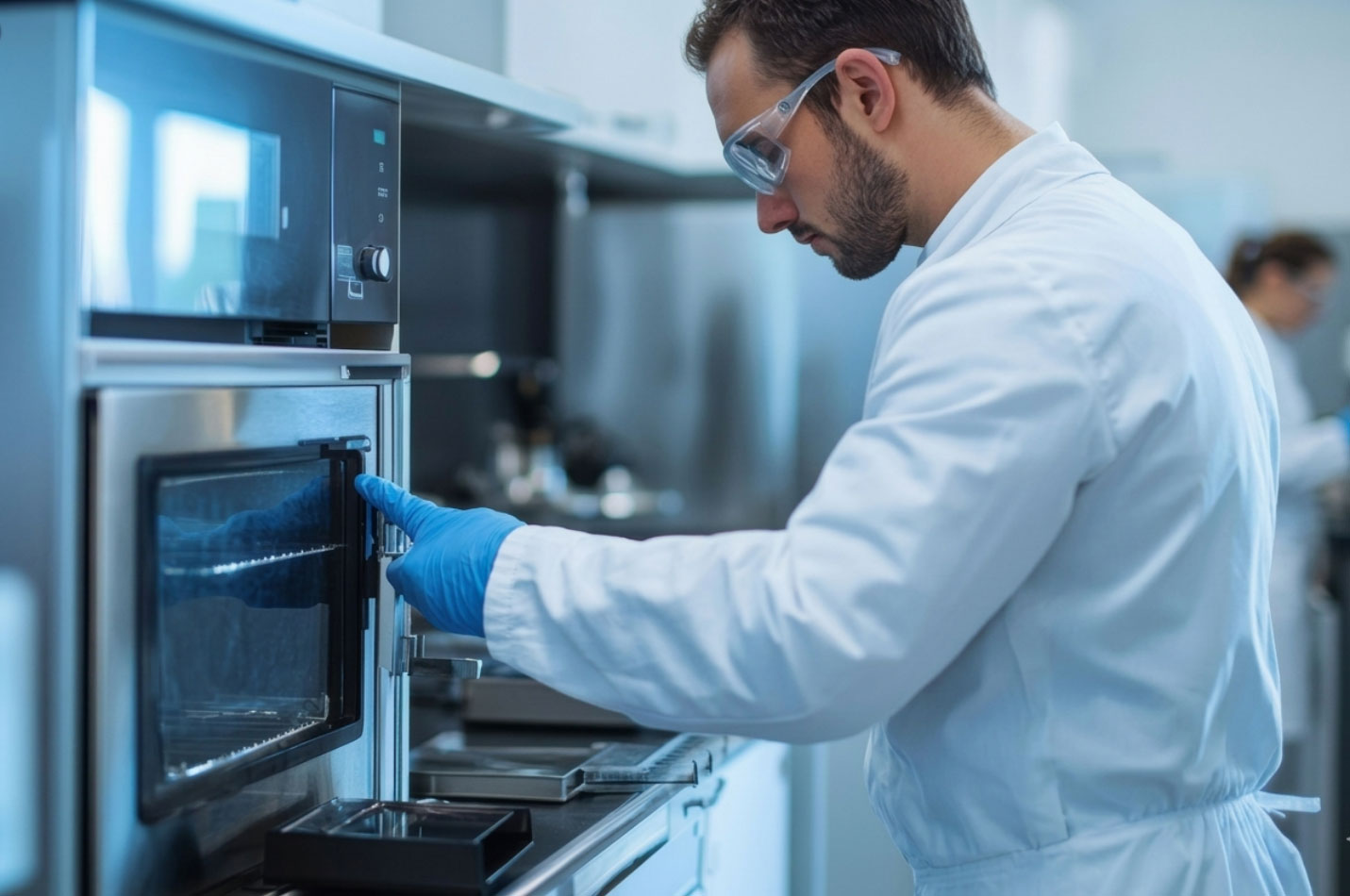
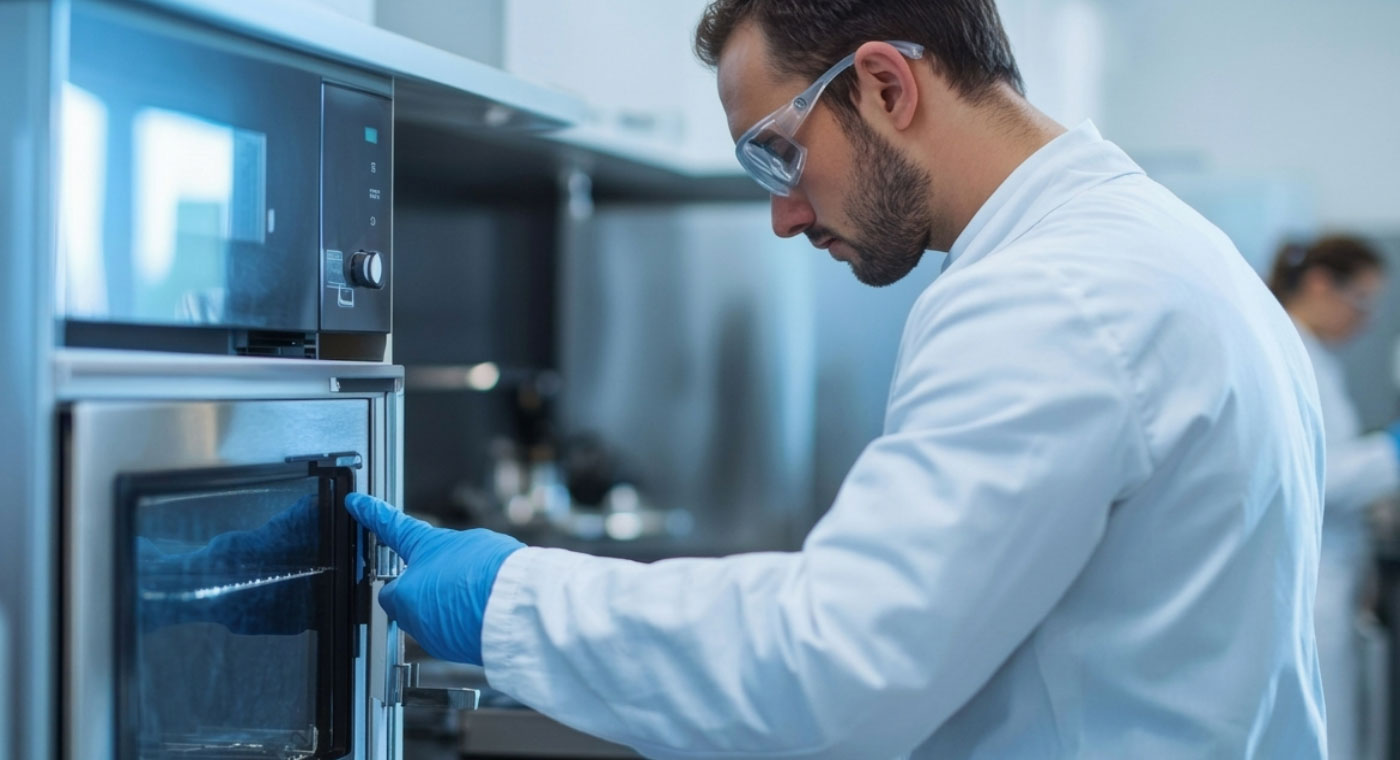
A lab oven is a specialized piece of equipment used to heat materials at a controlled and uniform temperature. Unlike conventional ovens, lab ovens are engineered with precision controls, insulation systems, and airflow mechanisms that ensure even heat distribution throughout the chamber.
These ovens are built to maintain stable temperature conditions over extended periods, which is essential for scientific testing and material analysis. Whether you are removing moisture from a sample or conducting heat-based experiments, a lab oven ensures that the process remains consistent and repeatable.
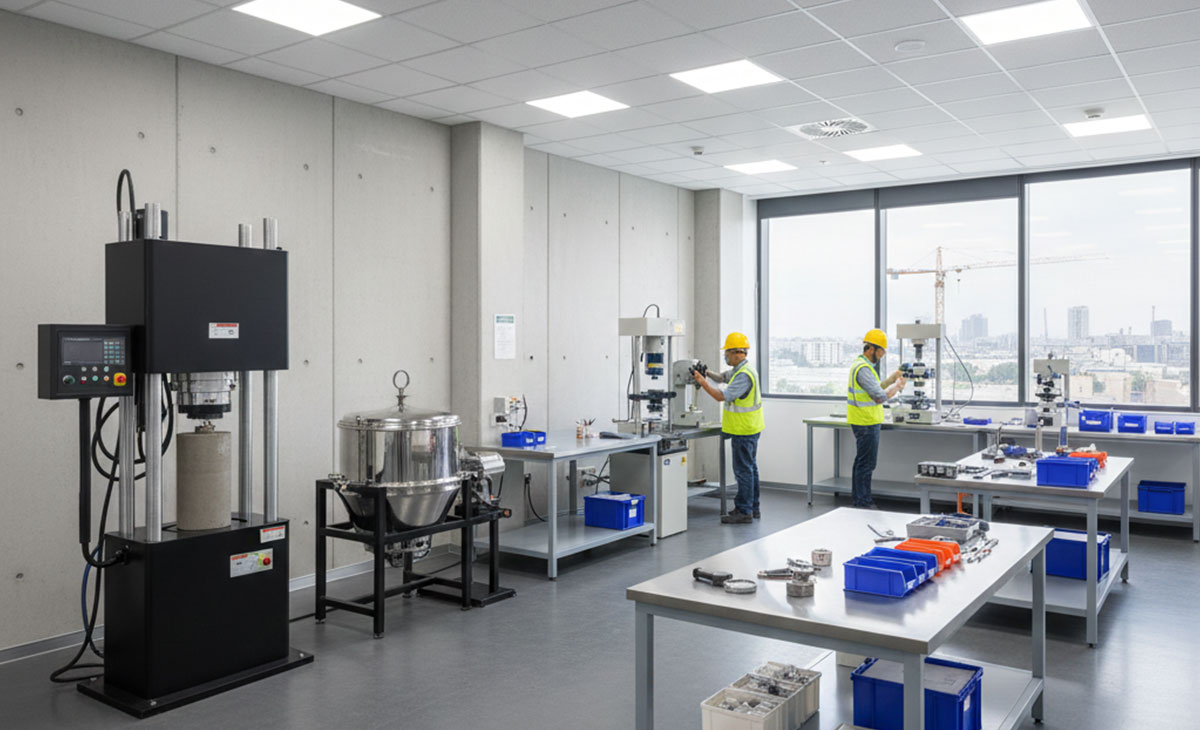
Lab ovens are commonly found in construction testing labs, academic research facilities, quality control departments, and environmental testing centers. Their ability to deliver reliable thermal conditions makes them indispensable in applications where accuracy is non-negotiable.
Why Lab Ovens Are Important in Material Testing
The importance of lab ovens becomes especially evident in industries like construction and engineering, where material properties must be thoroughly tested before use. For example, when testing soil or aggregates, removing moisture content is essential to determine accurate weight and composition. Similarly, curing concrete samples at controlled temperatures ensures that strength and durability tests reflect real-world conditions.
Inconsistent heating can lead to uneven drying, incomplete curing, or altered material properties, all of which can compromise test results. Lab ovens eliminate these risks by providing a controlled environment where temperature fluctuations are minimized.
Additionally, lab ovens help maintain compliance with industry standards such as ASTM guidelines. Many testing procedures require samples to be heated at specific temperatures for defined durations, and only a reliable lab oven can meet these requirements consistently.
Common Uses of Lab Ovens
Lab ovens are versatile tools used in a variety of applications. One of the most common uses is sample drying, where moisture is removed from materials like soil, sand, and aggregates. This process is critical for determining moisture content, which directly impacts material performance.
Another important application is curing, particularly in concrete testing. Controlled heat allows samples to harden under standardized conditions, enabling accurate measurement of strength and durability.
Lab ovens are also used for thermal testing, where materials are exposed to elevated temperatures to study their behavior under heat stress. This is especially useful in research and development settings.
In some laboratories, ovens are utilized for sterilization purposes, although this is more common in biological and medical labs. Regardless of the application, the key advantage of a lab oven lies in its ability to maintain precise and uniform temperature conditions.
Types of Lab Ovens
Choosing the right lab oven starts with understanding the different types available. Each type is designed for specific applications and offers unique advantages.
Gravity Convection Ovens
Gravity convection ovens rely on natural airflow to circulate heat within the chamber. Warm air rises and cooler air sinks, creating a gentle circulation pattern. These ovens are suitable for basic drying tasks where high precision is not critical. They are often more affordable and energy-efficient, making them a good choice for general-purpose use.
Mechanical (Forced) Convection Ovens
Mechanical convection ovens use fans to actively circulate hot air throughout the chamber. This results in faster heating and more uniform temperature distribution. These ovens are ideal for applications that require consistent and precise heating, such as material testing and quality control processes.
Vacuum Ovens
Vacuum ovens operate under reduced pressure, which lowers the boiling point of liquids. This allows samples to dry at lower temperatures, making them ideal for heat-sensitive materials. These ovens are commonly used in research and specialized testing environments where preserving sample integrity is crucial.
High-Temperature Ovens
High-temperature ovens are designed for applications that require temperatures beyond the range of standard lab ovens. These are used in advanced material testing, such as studying the thermal properties of metals and ceramics.
Each type of oven serves a specific purpose, and selecting the right one depends on your testing requirements and the nature of the materials being handled.
Key Features to Consider
When selecting a lab oven, several features should be carefully evaluated to ensure optimal performance.
Temperature range is one of the most important factors. Different applications require different temperature levels, so it is essential to choose an oven that can meet your specific needs. Uniformity is equally important, as uneven heating can lead to inconsistent results.
The size and capacity of the oven should match the volume and size of your samples. A larger oven may be necessary for high-throughput labs, while smaller units may suffice for occasional use.
Modern lab ovens often come with digital controls, allowing users to set and monitor temperature with high precision. Safety features such as overheat protection and alarms are also crucial, as they help prevent accidents and protect both the equipment and the samples.
How to Choose the Right Lab Oven
Selecting the right lab oven involves more than just comparing specifications. It requires a clear understanding of your application and operational needs.
Start by identifying the primary purpose of the oven. If your work involves simple drying tasks, a gravity convection oven may be sufficient. However, for applications that demand precise temperature control and uniformity, a mechanical convection oven is a better choice.
Consider the type of materials you will be working with. Heat-sensitive samples may require a vacuum oven, while high-temperature applications will need specialized equipment.
It is also important to think about the frequency of use. Labs that operate continuously may benefit from more durable and high-performance models, while occasional users may prioritize cost-effectiveness.
Budget is another key factor, but it should not come at the expense of quality and reliability. Investing in a well-built lab oven can save time, reduce errors, and improve overall efficiency in the long run.
Maintenance and Best Practices
Proper maintenance is essential to ensure the longevity and performance of a lab oven. Regular cleaning helps prevent contamination and ensures that the oven operates efficiently. It is also important to periodically calibrate the temperature settings to maintain accuracy.
Avoid overloading the oven, as this can disrupt airflow and lead to uneven heating. Always follow the manufacturer’s guidelines for usage and maintenance.
Inspecting components such as door seals, fans, and control systems can help identify potential issues before they become major problems. By following these best practices, you can extend the lifespan of your lab oven and ensure consistent performance.
Conclusion
Lab ovens are a fundamental part of any testing or research facility, providing the controlled heating environment necessary for accurate and reliable results. From drying and curing to advanced thermal testing, their applications are both diverse and essential.
Understanding the different types of lab ovens and their features allows you to make an informed decision that aligns with your specific needs. Whether you are setting up a new lab or upgrading existing equipment, choosing the right lab oven is an investment in quality, precision, and efficiency.