Marshall Stability Test Apparatus: A Complete Guide to Asphalt Strength Testing
Mar 23, 2026
In the world of road construction and pavement engineering, ensuring the strength and durability of asphalt mixtures is essential. One of the most widely used methods for evaluating asphalt performance is the Marshall Stability Test, and at the center of this process is the Marshall Stability Test Apparatus.
Used extensively in civil engineering laboratories and field testing environments, this equipment helps determine how well asphalt mixtures can withstand loads and resist deformation. Certified Material Testing Products (Certified MTP) offers high-quality Marshall testing equipment designed to meet ASTM standards and deliver reliable, repeatable results.
In this article, we’ll break down what the Marshall Stability Test Apparatus is, how it works, and why it is a critical tool in asphalt testing.
What is the Marshall Stability Test Apparatus?
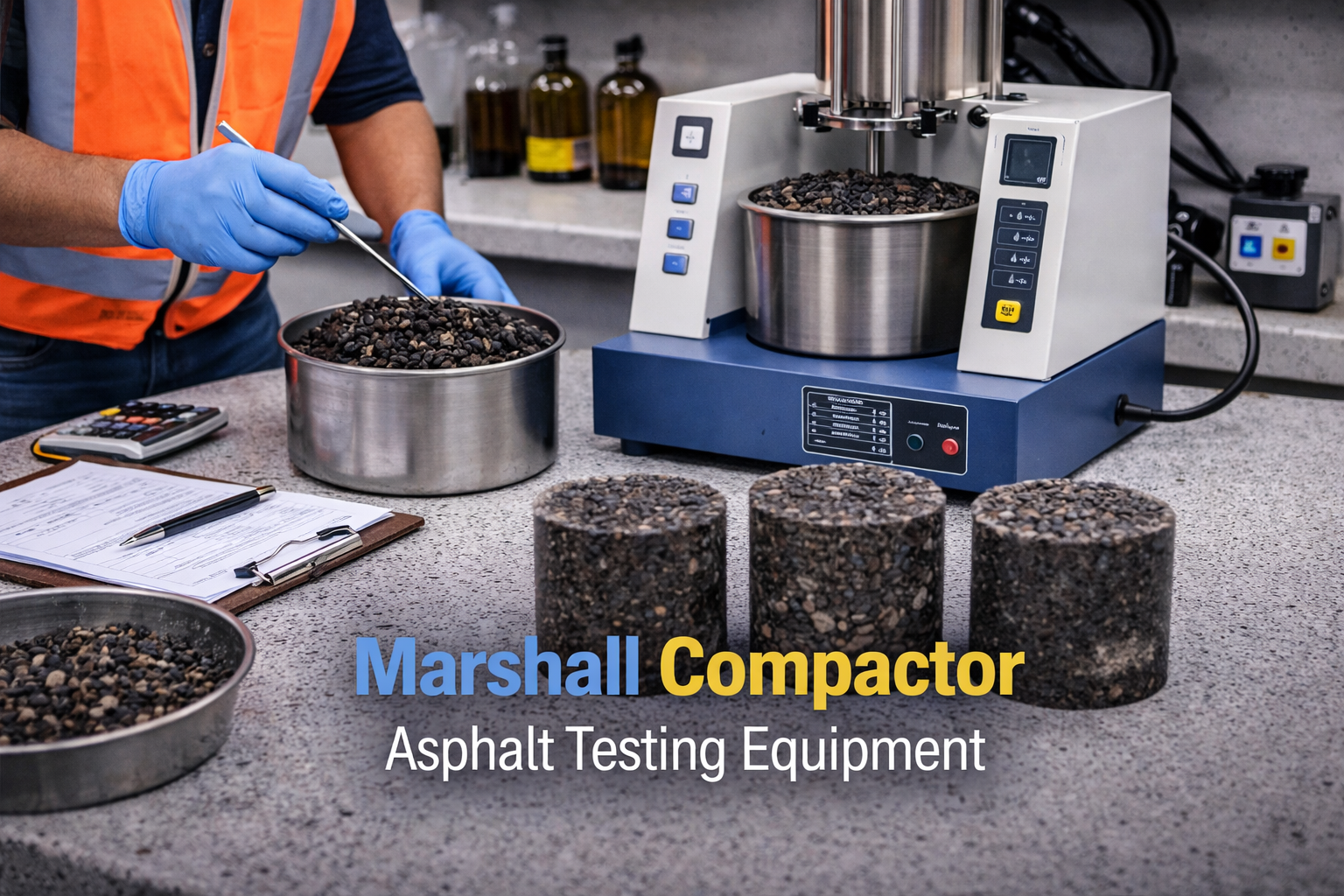
The Marshall Stability Test Apparatus is a specialized device used to measure the stability and flow of asphalt mixtures. Stability refers to the maximum load a sample can withstand, while flow measures the deformation the sample undergoes before failure.
This apparatus typically consists of:
- A loading frame
- A proving ring or load cell
- A flow meter
- A specimen holder
- Heating and conditioning components
Together, these components allow engineers to simulate real-world stress conditions and evaluate how asphalt will perform under traffic loads.
Why Marshall Stability Testing is Important
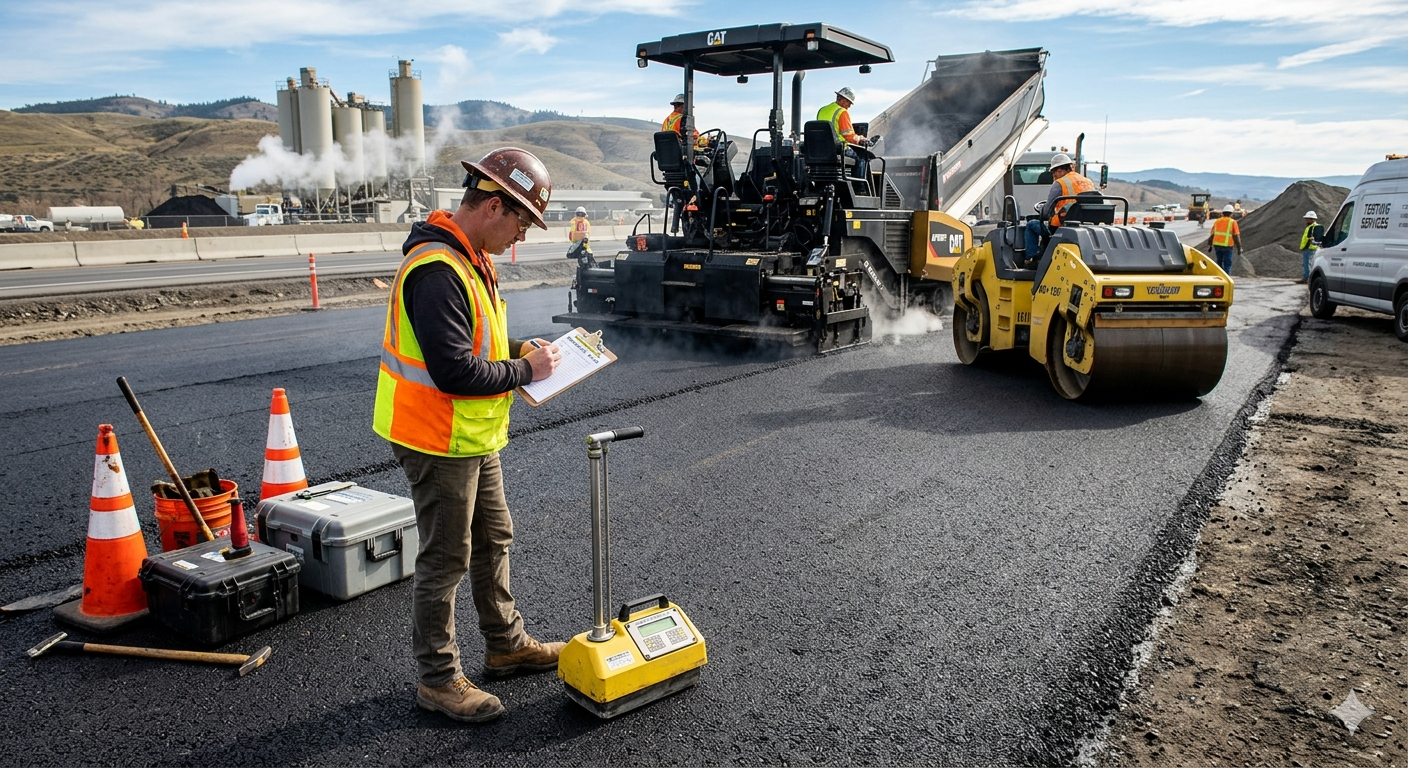
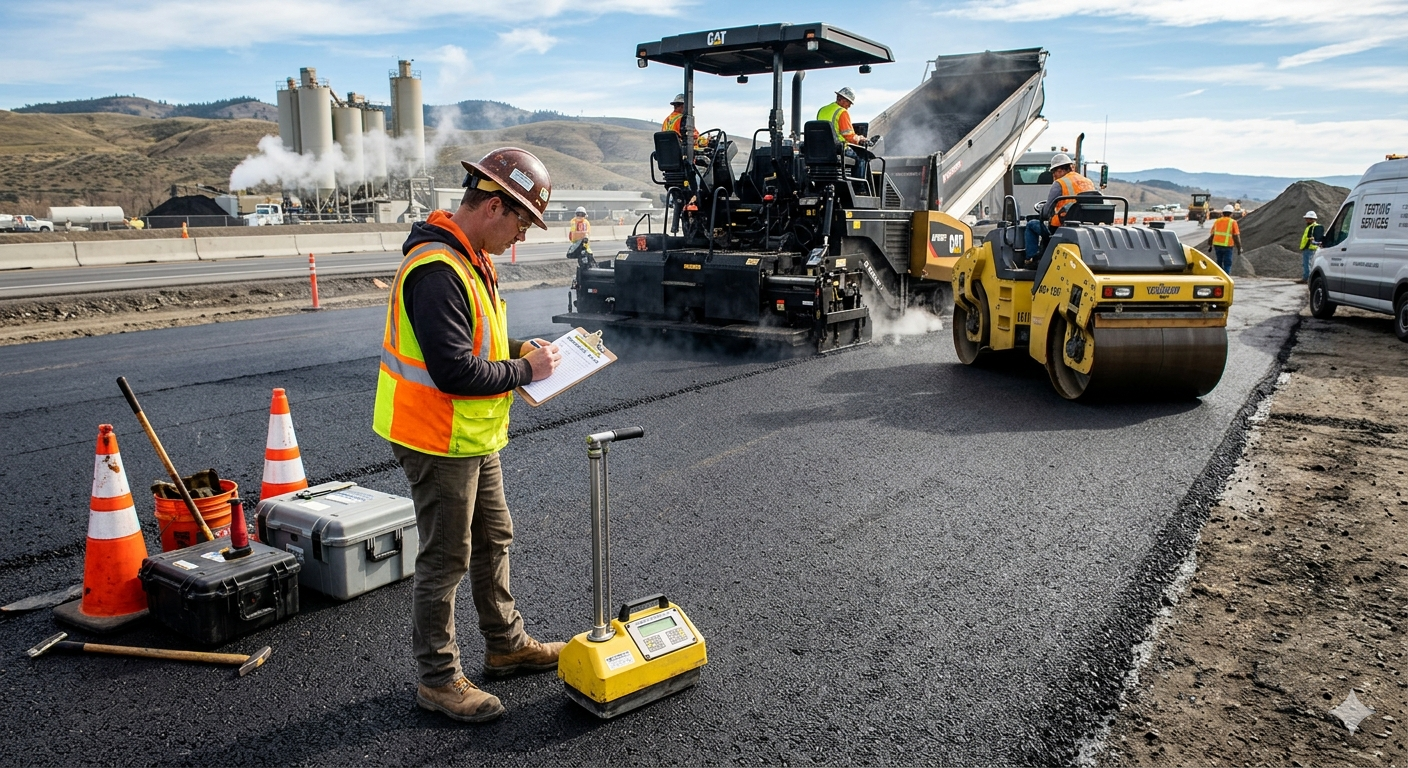
Roads and pavements are subjected to constant traffic, temperature changes, and environmental stress. Without proper testing, asphalt mixtures may fail prematurely, leading to cracks, rutting, and costly repairs.
The Marshall Stability Test helps ensure that asphalt mixtures:
- Have adequate strength to support traffic loads
- Maintain durability under varying conditions
- Meet industry standards such as ASTM and AASHTO
- Provide long-lasting pavement performance
By using reliable equipment from Certified MTP, laboratories can ensure that their testing procedures meet strict quality requirements.
How the Marshall Stability Test Works
The testing process involves preparing a cylindrical asphalt sample and subjecting it to controlled loading conditions.
Step 1: Sample Preparation
The asphalt mixture is heated and compacted into a cylindrical mold using a compaction hammer. The sample is then allowed to cool and stabilize.
Step 2: Conditioning
Before testing, the sample is placed in a water bath at a specified temperature (usually around 60°C). This ensures consistent testing conditions.
Step 3: Loading the Sample
The sample is placed in the Marshall Stability apparatus, where a load is applied at a constant rate.
Step 4: Measuring Stability and Flow
As the load increases, the apparatus records:
- Stability (maximum load before failure)
- Flow value (deformation at failure)
These values are used to evaluate the performance of the asphalt mix.
Key Features of Marshall Stability Test Apparatus
Certified MTP offers Marshall testing equipment with advanced features designed for accuracy and ease of use.
1. Precision Load Measurement
Modern apparatuses use digital load cells to provide highly accurate stability readings.
2. Digital Flow Measurement
Flow values are recorded using precise gauges or digital displays, ensuring consistent results.
3. Durable Construction
Heavy-duty frames and components are designed to withstand repeated testing in demanding environments.
4. User-Friendly Controls
Digital interfaces and automated features make the testing process more efficient and reduce human error.
5. Compliance with Standards
Equipment is designed to meet ASTM and AASHTO standards, ensuring reliable and standardized testing.
Applications in Asphalt Testing
The Marshall Stability Test Apparatus is widely used in:
Road Construction Projects
Engineers use it to design asphalt mixtures that can withstand traffic loads and environmental conditions.
Quality Control Laboratories
It helps verify that asphalt mixes meet required specifications before being used in construction.
Research and Development
Researchers use the apparatus to develop new asphalt formulations and improve performance.
Maintenance and Rehabilitation
Testing existing pavement materials helps determine the best repair and maintenance strategies.
Factors Affecting Test Results
Several factors can influence the outcome of a Marshall Stability test:
- Temperature control: Variations can affect material behavior
- Compaction effort: Improper compaction can lead to inconsistent results
- Sample preparation: Uniformity is essential for accuracy
- Loading rate: Must be consistent to ensure reliable measurements
Using high-quality equipment from Certified MTP helps minimize these variables and ensures accurate data.
Best Practices for Accurate Testing
To achieve reliable results, follow these best practices:
- Calibrate the apparatus regularly
- Maintain consistent sample preparation methods
- Ensure proper temperature control during testing
- Train personnel on correct testing procedures
- Use standardized molds and accessories
These steps help improve repeatability and ensure compliance with industry standards.
Why Choose Certified MTP for Marshall Testing Equipment?
Certified MTP is a trusted name in material testing equipment, offering a wide range of products for asphalt, concrete, and soil testing.
Their Marshall Stability Test Apparatus stands out for:
- High accuracy and reliability
- Durable and long-lasting construction
- Compliance with ASTM and AASHTO standards
- Competitive pricing and availability
With a strong reputation in the industry, Certified MTP provides solutions that meet the needs of both small laboratories and large-scale testing facilities.
Conclusion
The Marshall Stability Test Apparatus plays a vital role in ensuring the quality and durability of asphalt pavements. By accurately measuring stability and flow, it helps engineers design mixtures that can withstand real-world conditions and deliver long-lasting performance.
Whether you are involved in road construction, quality control, or research, investing in high-quality testing equipment is essential. Certified MTP offers reliable solutions that support accurate testing and help maintain the highest standards in material performance.
In the end, better testing leads to better roads—and the Marshall Stability Test Apparatus is a key tool in making that happen.