
Master the Digging Bar: Your Guide to Choosing One
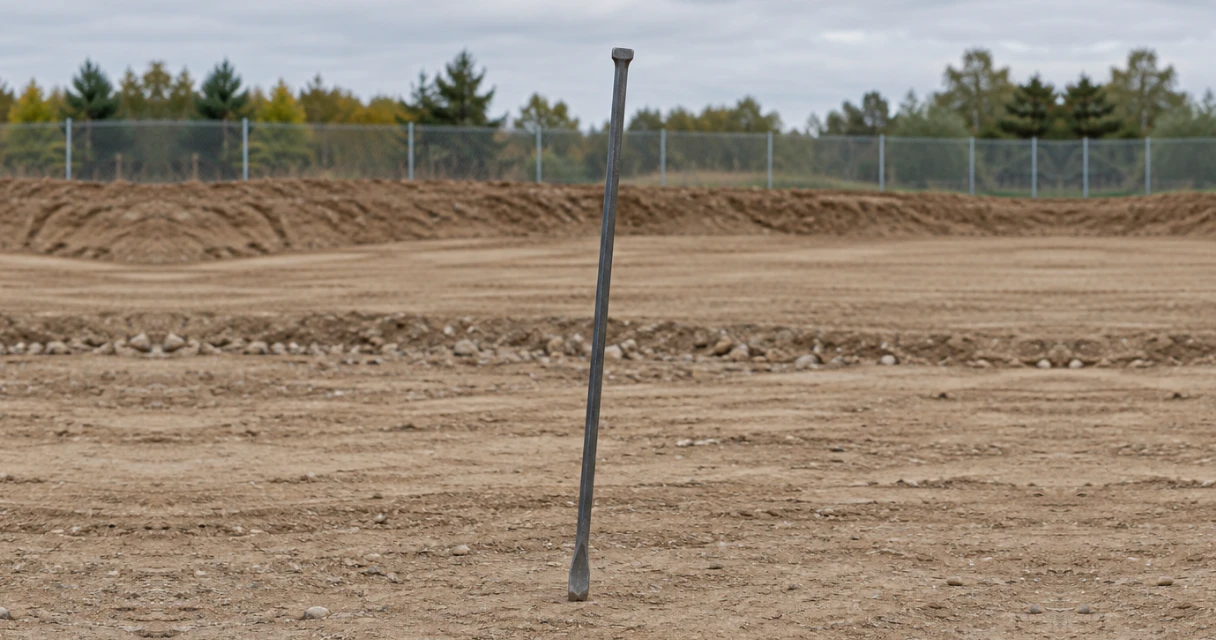
Choose a digging bar by the ground you dig and the weight you can handle all day. A digging bar is a long, heavy steel bar that breaks up compacted soil, clay, roots and rock where a shovel cannot cut; you lift it and let its weight drive it down. Most have a chisel or pointed end for breaking ground and a flat tamper end for packing soil around posts.
- For most soils, a 14 to 17 lb bar is a good balance; choose 20 lb or more only for rock or hardpan.
- Bars of 50in to 60in suit shorter users and shallower holes; 69in to 84in bars reach deeper.
- Call 811 before digging so buried utilities are marked.
Why this matters
A bar that is too light bounces off hardpan; one that is too heavy wears out the crew by mid-morning. Matching length and weight to the job keeps work moving without strain.
Buy for your hardest ground and your typical hole depth. Compare all models in our digging bars category.
How do you choose a digging bar?
- Identify the ground. Loam and clay need less weight; caliche, hardpan and rock need more.
- Set the length. Bars around 50in to 60in suit shorter users and shallower holes. Bars of 69in to 84in reach deeper and let taller users work without stooping.
- Set the weight. Bars of 13 to 14 lb are manageable for most work; 17 to 21 lb bars are for rock and hardpan.
- Choose the ends. A chisel point breaks and pries; a pointed tip concentrates force on rock; a tamper end compacts backfill.
Post hole digging bars: fence posts and general digging
Post hole bars have a chisel point on one end and a round tamper on the other. Options include the 13 lb, 50in post hole digging bar and the 17 lb, 69in post hole digging bar.
Best for: fence and sign posts and general digging. The 13 lb bar suits lighter work and shorter users; the 17 lb bar handles harder soils. The limitation: the lighter bar struggles in rock.
San Angelo bars: rocky ground and hardpan
San Angelo bars are heavier and longer, with chisel and tamper ends. Options include the 14 lb, 60in San Angelo bar and the 20 lb, 84in San Angelo bar.
Best for: rocky ground, caliche and hardpan. The 14 lb, 60in bar is an all-round choice; the 20 lb, 84in bar handles rock and deep holes. The limitation: the heavier bar tires users faster.
Telegraph bars: deep holes and heavy prying
The 72in, 21 lb telegraph digging bar is a long, heavy bar traditionally used for utility pole holes.
Best for: deep holes and heavy prying. The limitation: at 21 lb it is the most tiring option for all-day use.
Digging bars compared
| Bar | Best for | Practical advantage | Limitation to manage |
|---|---|---|---|
| Post hole bar, 13 lb, 50in | Lighter work, shorter users | Easy to handle | Struggles in rock |
| San Angelo bar, 14 lb, 60in | All-round digging | Balanced weight and length | Not for the hardest rock |
| Post hole bar, 17 lb, 69in | Harder soils | More driving force | Heavier to lift |
| San Angelo bar, 20 lb, 84in | Rock and deep holes | Long reach, high force | Tires users faster |
| Telegraph bar, 72in, 21 lb | Deep holes and heavy prying | Heaviest option | Most tiring for all-day use |
Why digging bar selection varies
- Ground hardness: rock and hardpan need weight; soft soils do not.
- Hole depth: deeper holes need longer bars.
- User height: taller users need longer bars to avoid stooping.
- Duration: all-day work favors a lighter bar.
- Task: compacting backfill needs a tamper end; prying needs a chisel.
How do you use a digging bar safely?
- Call 811 first so buried utilities are marked.
- Wear gloves, safety glasses and steel-toe boots.
- Stand with feet apart and the bar in front of you, not between your feet.
- Lift the bar a short distance and let it drop, guiding rather than slamming it. Work in a circle to loosen the hole.
- Remove loose spoil with a digging shovel or post hole digger, then repeat.
- After setting a post, use the tamper end to compact backfill in thin layers.
Can a digging bar be used for soil sampling?
Field crews use digging bars to loosen ground for test pits, sampling and monitoring points. When the goal is a soil sample, follow up with a proper soil auger so the sample is representative.
FAQ
What is the difference between a digging bar and a pry bar?
A digging bar is long and heavy and made to be dropped into the ground. A pry bar or crowbar is shorter and made for leverage.
What weight digging bar should I buy?
For most soils, 14 to 17 lb is a good balance. Choose 20 lb or more only for rock or hardpan.
What length digging bar do I need?
Bars around 50in to 60in suit shorter users and shallower holes. Bars of 69in to 84in reach deeper and suit taller users.
What is a San Angelo bar?
A heavier, long digging bar with chisel and tamper ends, used in rocky ground, caliche and hardpan.
How do I keep a digging bar in good condition?
Wipe off mud and store it dry, dress a mushroomed or dull chisel end with a file or grinder, and retire bars that are bent or cracked.
Wrapping Up
Match the weight to the ground and the length to the hole and the user. A bar sized correctly breaks hard ground faster and keeps the crew working longer.
Certified Material Testing Products stocks post hole, San Angelo and telegraph digging bars for site and field crews. Browse our digging bars.
Topics: Hand Tools; Digging Bars; Site Work.