




Fast
Shipping

Quick,
Simple Ordering

Clear,
Upfront Pricing

Over 30,000
Happy Customers

Exceptional
Customer Service

Industry's Largest
Catalog
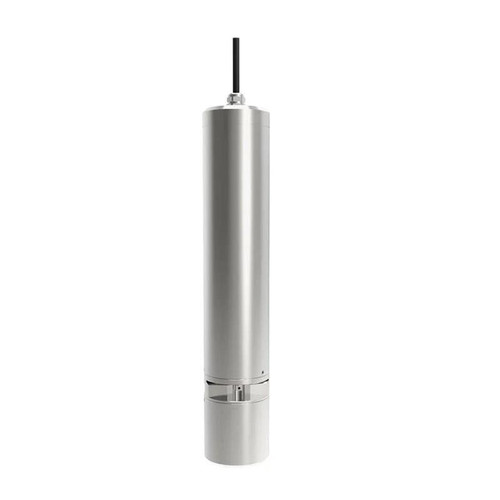
Sper Scientific Inline COD Sensor: Precision Real-Time Water Quality Monitoring
For continuous, accurate measurement of organic pollution, the Sper Scientific Inline COD Sensor is an indispensable tool. Designed for seamless integration with the Sper Scientific 870001 Multi-Parameter Water Quality Analyzer, this advanced sensor provides critical data for environmental protection, regulatory compliance, and process optimization.
Why Monitor COD, BOD, and TOC?
- Chemical Oxygen Demand (COD): A key indicator of organic pollution in water, representing the amount of oxygen required to chemically oxidize organic and inorganic matter. High COD levels signal significant pollution.
- Biochemical Oxygen Demand (BOD): Measures the amount of oxygen consumed by microorganisms to decompose organic matter. It's crucial for assessing the biodegradable organic content and impact on aquatic life.
- Total Organic Carbon (TOC): Quantifies the total amount of carbon bound in organic compounds, offering a direct measure of organic content and pollution load.
Understanding these parameters is vital for managing wastewater treatment, ensuring effluent quality, and safeguarding natural water bodies.
How It Works: Advanced UV Absorption Technology The Inline COD Sensor utilizes ultraviolet (UV) light absorption at 254 nm to measure the concentration of soluble organic matter directly in water. Organic compounds, particularly those with aromatic structures, absorb UV light strongly at this wavelength. The measured UV spectral absorption coefficient (SAC254) is then accurately converted into a Chemical Oxygen Demand (COD) value, providing a reliable proxy for overall organic load.
This innovative method offers significant advantages over traditional laboratory analysis:
- Continuous, Real-Time Monitoring: Get immediate insights into water quality fluctuations, enabling rapid response and process adjustments.
- Reagent-Free Operation: Eliminates the need for hazardous chemical reagents, reducing operational costs, labor, and environmental impact associated with chemical handling and disposal.
- Eco-Friendly: A sustainable solution that minimizes waste and supports greener operations.
Key Features & Benefits:
- Direct Immersion Measurement: No need for complex sampling, pre-treatment, or lab analysis. The sensor is simply submerged into the water source.
- Low Maintenance: Equipped with an automatic cleaning function, ensuring consistent, long-term performance and reducing manual intervention.
- Fast Response Time: Delivers instant data, crucial for effective process control and preventing potential issues.
- Robust Construction: Made from durable SUS316L material with IP68/NEMA6P protection, it withstands harsh industrial and environmental conditions.
- High Accuracy: Provides reliable and precise measurements, reflecting accurate organic compound concentrations.
Versatile Applications:
- Wastewater Treatment Facilities: Monitor influent and effluent quality, optimize treatment processes, and ensure compliance with discharge regulations.
- Industrial Water Discharge: Track pollution levels from industrial operations to prevent environmental contamination and meet regulatory standards.
- Environmental Water Quality Assessments: Ideal for monitoring surface water, rivers, lakes, and oceans for organic pollution.
- Fishery Water Quality Monitoring: Help maintain healthy aquatic environments by tracking organic load.
Technical Specifications:
- Measuring Range: 0-200 mg/L, 0-1000 mg/L COD (2mm optical path)
- Accuracy: ±5%
- Measurement Interval: Minimum 1 minute (adjustable)
- Pressure Range: ≤0.4 Mpa
- Sensor Material: SUS316L
- Storage Temperature: -15℃ ~ 65℃
- Operating Temperature: 0℃ ~ 45℃
- Dimensions: 70mm (Diameter) × 395mm (Length)
- Protection Rating: IP68/NEMA6P
- Cable Length: Standard 10m cable, extendable up to 100 meters