

Fast
Shipping
Quick,
Simple Ordering
Clear,
Upfront Pricing
Over 30,000
Happy Customers

Exceptional
Customer Service

Industry's Largest
Catalog
Relative Compaction Test Set – California Test 216 Compliant
Soil Compaction
Soil compaction is a critical process in construction where soil is densified to achieve maximum stability and density. The goal of soil compaction is to remove air voids and increase the density of the soil so it’s stable and suitable. Compaction can be done through rolling, tamping and vibration. One of the key factor in soil compaction is to determine the maximum wet density of soils and aggregates which can be done through relative compaction test. Relative compaction test is a laboratory test that determines the maximum wet density of soils and aggregates and is widely used in the construction industry to ensure the materials used in construction projects meet the required standards.
CT 216: Relative Compaction Test Set California
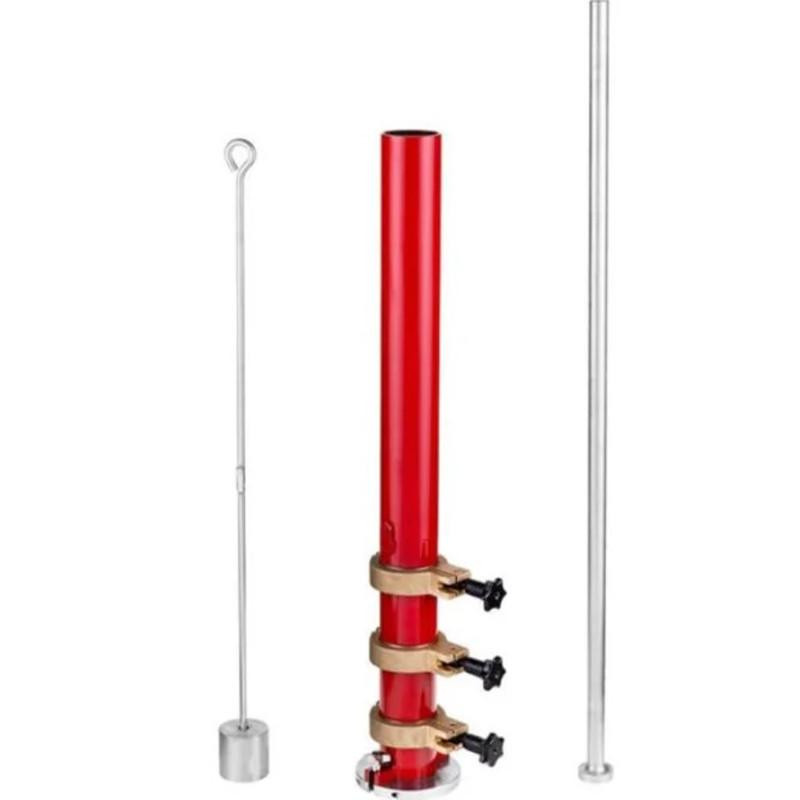
The Relative Compaction Test Set is used to determine the maximum wet density of soils and aggregates by the California 216 Impact method. Relative compaction is the in-place wet density divided by the test maximum wet density of the same soil or aggregate. This test set will show you how to get accurate results. In-place wet density is determined in the field using sand volume cone, volumetric or other field soil density tools. The Proctor compaction test is designated by authoritative organizations like ASTM and AASHTO so it’s credible and important in soil engineering. Plus the addition of surcharge weights makes the mechanical soil compactors more functional and performant so you can get better soil compaction results. A 10lb (4.54kg) tamper is dropped from 18in (457mm) to compact samples to about 10—12in (254—305mm) high in a 36in (914mm) long, 2-7/8in (73mm) diameter split mold. The special steel mold has a removable base and three hinged clamps with quick-release knobs for easy sample removal density. Also included in the set is a metal leveling piston and a piston handling rod. Dense soils achieve maximum dry density during the Proctor compaction test. The importance of energy transfer in soil compaction is highlighted by the design of the tamper, which ensures efficient energy application to the soil specimen. Density is easily determined after compaction, by reading the graduated scale on the shaft of the tamper. HM-375R is for manual compaction only. Different weight options are available for compactors, affecting the compaction process and overall accuracy of results.
Features:
-
Steel mold has removable base and three hinged clamps with quick-release knobs for easy sample removal
-
Density is easily determined after compaction, by reading the graduated scale on the shaft of the tamper
Included Items:
-
Relative Compaction Test Set
-
Piston handling rod
-
Calibration certificate
-
Tamper included items such as the 10lb tamper and other essential tools
Relative Compaction Test for Relative Compaction
The Relative Compaction Test, also known as the California 216 Impact method, is a laboratory test to determine the maximum wet density of soils and aggregates. This is important in the construction industry as it allows engineers and contractors to determine the optimal compaction level for different materials to have stable and durable structures. This test is widely used in the United States, especially in California where it is specified by the California Department of Transportation (Caltrans). By knowing the relative compaction of materials, construction professionals can make informed decisions to make their projects more durable and safe. The procedures for this test must be completed within a limited timeframe to ensure accuracy and compliance with regulatory standards. The methods follow standards similar to those established by other organizations, ensuring reliability and consistency.
The history of 216 goes back to 1931 when State Highway 216 was established in Connecticut, from Stonington to the Rhode Island state line at Sterling. The original route was about 3.66 miles long and was near the modern Route 49 and Route 14A. Over the years, the route has been changed, the modern Route 216 was commissioned between 1932-1934. In 1960, the state Committee to Reclassify All Public Roads recommended a shorter route for Route 216 and it was implemented in 1962. Today, Route 216 is a state road in Connecticut, connecting to the Rhode Island state line at Sterling. This is the history of the evolution of the route to optimize the transportation routes and connectivity within the state.
Relative Compaction Importance
Relative compaction is a key aspect of soil and aggregate testing, as it directly affects the stability and durability of structures built. The relative compaction test, also known as the California 216 Impact method, is a widely used technique to determine the maximum wet density of soils and aggregates. This test is important to ensure that the materials used in construction projects meet the required standards, thereby preventing potential failures and ensuring public safety. The role of soil particles in achieving density is critical, as various compaction machines utilize static and vibratory forces to compress soil particles.
In Connecticut, where Route 216 connects the state line to Clarks Falls Road, relative compaction testing is important to maintain the state highway system. By determining the relative compaction of soils and aggregates, engineers and contractors can ensure that the materials used in road construction are stable and can withstand various environmental conditions. This not only extends the life of the roads but also ensures the safety of the public who use these routes daily.
Procedure and Requirements
The Relative Compaction procedure involves sample preparation, compaction and density determination. The test may require assistance from other administrative departments or personnel to ensure all necessary information and support are available. The test requires a 10lb (4.54kg) tamper, a special steel mold, a metal leveling piston and a piston handling rod. The mold is 36in (914mm) long, 2-7/8in (73mm) diameter and has a removable base and three hinged clamps with quick-release knobs for easy sample removal. The set is for manual compaction only as indicated by the HM-375R. The test procedure is to compact the sample in three layers, each layer compacted to a specific density. The density is determined by reading the graduated scale on the shaft of the tamper. This precise process ensures that the compaction is accurately determined to get reliable data for projects. The degree is achieved is critical to get optimum results in construction projects.
Test Set Components and Accessories
Explore more laboratory tools such as the 6" Triangular File for efficient testing and experimentation.
Explore a diverse range of construction tools including the Dayton T27 Edge Lifting Plate designed for professional use.
The Relative Compaction Test Set, also known as the CBR Field Test Set, Two-Speed Jack and the California 216 Impact method, consists of several components and accessories that work together to determine the maximum wet density of soils and aggregates. The set includes:
-
A 10lb (4.54kg) tamper, designed for manual compaction only
-
A special steel mold, 36in (914mm) long, 2-7/8in (73mm) diameter, with a removable base and three hinged clamps with quick-release knobs for easy sample removal
-
A metal leveling piston
-
A piston handling rod
These components and accessories are designed to provide accurate and reliable results. The tamper ensures consistent compaction, while the steel mold and its quick-release clamps facilitate easy sample handling. The metal leveling piston and handling rod further aid in achieving precise measurements. Together, these devices ensure that the materials used in construction projects meet the required standards, contributing to the overall quality and safety of the infrastructure. The Proctor curve is a laboratory procedure for determining the optimal moisture content necessary to achieve the highest density of a soil, emphasizing the importance of understanding soil types and specific compaction techniques required to reach maximum density.
Regulatory Compliance
Regulatory compliance is a critical aspect of relative compaction testing, as it ensures that the materials used in construction projects meet the required standards. In Connecticut, the state Department of Transportation (DOT) mandates that all items used in road construction adhere to specific standards, including relative compaction.
The Relative Compaction Test Set, California 216 Impact method, is a widely accepted technique that meets the regulatory requirements of various agencies, including the Connecticut DOT. By using this test set, engineers can ensure that their items comply with the necessary standards, thereby avoiding potential fines and penalties. This compliance not only ensures the quality and safety of the construction projects but also fosters trust and reliability in the infrastructure development process.
Best Practices
To ensure accurate and reliable results, it is essential to follow best practices when conducting relative compaction tests. Here are some tips:
-
Make sure the test set is calibrated and maintained properly
-
Use the right amount for each test
-
Compact according to the test method
-
Record the results accurately and thoroughly
-
Use the right units of measurement
-
Compare the results to the required standards By following these best practices, engineers and contractors can ensure their materials meet the required standards and prevent failures and public safety. Calibration and maintenance of the test set and accurate recording and comparison of results are key to getting reliable data. This includes using the right construction materials testing equipment. These practices also improve the construction project quality and the testing process.