


Fast
Shipping

Quick,
Simple Ordering

Clear,
Upfront Pricing

Over 30,000
Happy Customers

Exceptional
Customer Service

Industry's Largest
Catalog
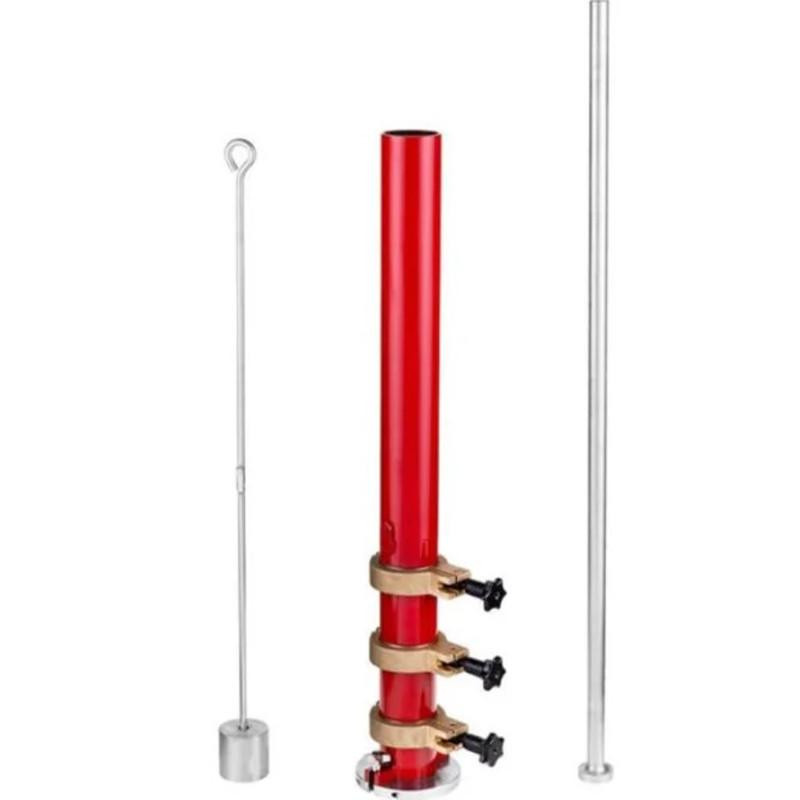
Relative Compaction Test Set – California Test 216 Compliant
Soil Compaction Overview
Soil compaction is a critical process in construction and geotechnical engineering. It increases soil density by removing air voids, improving stability and load-bearing capacity.
Compaction is commonly achieved through:
- Rolling
- Tamping
- Vibration
One of the most important goals of soil compaction testing is determining the maximum wet density of soils and aggregates. This value is used as a benchmark for evaluating field compaction quality using relative compaction tests.
Learn more about related tools in
Soil Compaction Equipment.
CT 216 – Relative Compaction Test (California Method)
The Relative Compaction Test Set is designed to determine the maximum wet density of soils and aggregates using the California Test 216 Impact Method.
Relative compaction is defined as:
In-place wet density ÷ maximum wet density (laboratory value)
In-place wet density is typically measured in the field using:
- Sand cone apparatus
- Volumetric density tools
- Other approved field density methods
This laboratory test helps ensure construction materials meet required specifications for durability and safety.
Test Method and Compaction Process
The test uses a 10 lb (4.54 kg) tamper, dropped from 18 in (457 mm) to compact soil samples inside a split steel mold.
Test setup includes:
- Mold length: 36 in (914 mm)
- Mold diameter: 2-7/8 in (73 mm)
- Sample height after compaction: 10–12 in (254–305 mm)
The tamper design ensures efficient energy transfer, producing consistent and repeatable results. Density is determined directly by reading the graduated scale on the tamper shaft after compaction.
Note: Model HM-375R is designed for manual compaction only.
Why Relative Compaction Testing Matters
Relative compaction testing plays a key role in:
- Road construction
- Earthworks
- Foundation preparation
It ensures soils and aggregates are compacted to acceptable levels before construction proceeds. Proper compaction reduces settlement, increases strength, and improves long-term performance.
This test method is widely used in California and across the U.S. for compliance with transportation and infrastructure standards.
Related laboratory tools can be found under
Soil Testing Equipment.
Features
- Steel mold with removable base
- Three hinged clamps with quick-release knobs
- Direct density reading from tamper scale
- Designed for California Test 216 compliance
Included Items
- Relative Compaction Test Set
- 10 lb tamper
- Metal leveling piston
- Piston handling rod
- Calibration certificate
Additional accessories are available for expanded testing needs.
View compatible options in
Soil Compaction Accessories.
Procedure Summary
- Prepare the soil sample at the required moisture content
- Place the sample into the split mold
- Compact the soil using the tamper in specified layers
- Read density directly from the tamper scale
- Compare results with field density values
This controlled procedure ensures accurate determination of maximum wet density and reliable compaction assessment.
Applications
The Relative Compaction Test Set is commonly used for:
- Highway and roadway construction
- Earthwork quality control
- Aggregate and soil evaluation
- Laboratory compaction testing
It is an essential tool for engineers, inspectors, and contractors who require consistent, standards-compliant results.