



Fast
Shipping

Quick,
Simple Ordering

Clear,
Upfront Pricing

Over 30,000
Happy Customers

Exceptional
Customer Service

Industry's Largest
Catalog
Heat Resistant Safety Gloves for Reliable High-Temperature Protection
Furnace Gloves: The Heat Resistant Gloves
Furnace Gloves
Furnace gloves are a type of personal protective equipment (PPE) that protects hands and forearms from high temperatures, flames and sparks. Made from heat resistant materials like cowhide, goat skin or advanced synthetics these gloves offer great protection in high heat temperature applications. Whether you’re putting fire logs in a wood stove or working with temperature equipment like welding, cutting and grinding, or industrial furnaces, furnace gloves will keep your hands safe from the heat. These gloves are specifically designed to extend over the wrist, providing comprehensive safety and support in high-temperature environments. They are a must have in industries like construction, refining precious metals and metalworking where hot objects is a daily task. With their high heat resistance these gloves are a must have for anyone working in hot environments.
Heat Resistant Gloves
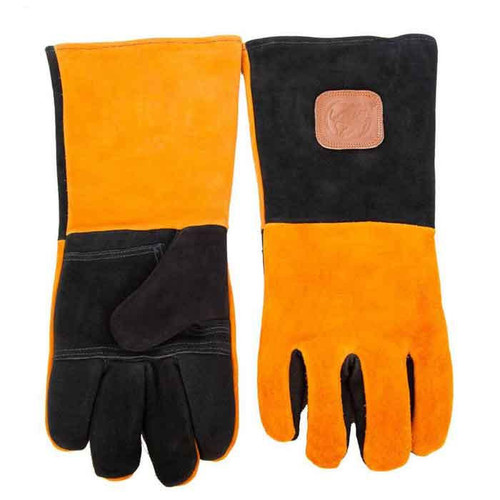
Heat Resistant Gloves are made from long lasting real suede leather and protect hands from heat up to 200°C (392°F). While the gloves provide great protection users may start to feel the heat after a few seconds of direct contact with extremely hot items. A cut and puncture resistant layer protects from sharp edges and abrasions. The palm areas are reinforced with an extra layer of leather for extra durability. Soft, 100% cotton fleece flannel lining for extra insulation. 100% Kevlar® stitching for flexibility, longevity and flame resistance. For asphalt hot mix. One-size-fits-all.
The weight of heat resistant gloves can influence their level of heat protection and determine their suitability for different tasks.
Customers love the gloves for their quality, durability and heat resistance. Plus these gloves are washable so easy to clean and maintain for long use.
Features:
-
Heat up to 200°C (392°F)
-
Cut, puncture, abrasion resistant
-
Reinforced palms
-
DuPont Kevlar® thread
-
14 inch length for extra forearm protection
Heat Resistant Gloves come in various sizes including x large for heavy duty use such as handling hot items or industrial activities.
Introduction
Heat resistant gloves are a part of personal protective equipment (PPE) in many industries such as welding, manufacturing and construction. Hand protection is crucial for preventing injuries from thermal hazards in the workplace, as these gloves are essential for safeguarding the hand in high-risk environments. These gloves protect hands from high temperatures, flames and sparks and reduces the risk of burns and injuries. With many heat resistant gloves available in the market it’s important to choose the right one that meets your job requirements and provides maximum protection. In this article we will discuss the importance of heat resistant gloves, their materials and construction, user considerations and review of the best heat resistant gloves available. Whether you’re handling hot materials or working in high contact heat environments the right pair of gloves can make all the difference in keeping you safe and comfortable.
What are Heat Resistant Gloves?
Heat resistant gloves are specialized gloves that protect hands from high temperatures, flames and sparks. Heat protection gloves are a type of work gloves specifically designed for high-temperature environments. Made from materials like cowhide, goat skin, Kevlar, Nomex or ceramic fabric these gloves can withstand temperatures above 500°F (260°C). While these gloves can withstand high temperatures users may start to feel heat through them after a few seconds of direct contact with extremely hot items like refining precious metals and ingot molds. For preventing burns and injuries heat resistant gloves are used in many industries such as manufacturing, construction, laboratory and welding. These gloves keep hands safe and protected even in the most extreme environments.
Protection from Contact Heat
Contact heat is a major hazard in many industries and heat resistant gloves play a crucial role in protecting workers from this risk. These gloves provide thermal protection, prevent second degree burns and injuries caused by direct contact with hot surfaces or objects. Made from materials that can withstand such as leather, synthetic fibers and ceramic, heat resistant gloves will keep your hands safe even in the most demanding conditions. In addition to thermal protection, many heat resistant gloves are designed against cuts, lacerations, and provide puncture resistance for comprehensive safety. Some gloves also have a cotton lining which adds an extra layer of comfort and protection. When handling hot materials it’s important to wear heat resistant gloves to prevent burns and ensure a safe working environment. By providing robust protection against contact heat these gloves are a must have for workers in industries where temperatures is a daily task.
Materials and Construction
Heat resistant gloves are made from various materials each chosen for its ability to withstand high temperatures, abrasion resistance and comfort and dexterity. Common materials include leather, synthetic fibers and natural fibers like wool. While a traditional cotton glove offers basic protection and comfort for general tasks, it is not suitable for high-temperature applications compared to modern heat resistant gloves. Leather gloves for example are known for their durability and heat resistance making them ideal for tasks like welding. Synthetic fibers like Kevlar and Nomex offer excellent thermal protection and are often used in gloves designed for extreme heat conditions. Some heat resistant gloves also have a molten metal-resistant coating providing additional protection against extreme temperatures. The construction of these gloves is critical with features like reinforced palms, fingers and thumbs providing added protection and durability. When choosing heat resistant gloves it’s important to consider the specific job requirements and select gloves that meet those needs, ensuring both safety and comfort.
Benefits and Uses
Heat resistant gloves have many benefits making them an essential glove for high heat temperature applications. They provide tough protection against heat, flames and sparks so hands are safe when working with hot equipment, refining precious metals, materials and chemicals. However users may start to feel heat through them after a few seconds of direct contact with extremely hot items like in handling crucibles. With abrasion resistance they are durable and long lasting and can withstand harsh work environments. Easy to clean and maintain they are suitable for use in manufacturing, construction and laboratory. By using heat resistant gloves workers can have total protection and increase safety and productivity.
Heat Resistant Gloves Types
Heat resistant gloves are available in different categories based on the hazards they protect against, such as cut, puncture, or chemical hazards, and there are various glove options to choose from. Users can sort through these categories to find the best fit for their needs.
There are many types of heat resistant gloves:
-
Leather Welding Gloves: Made from heat resistant materials like cowhide or goat skin, these gloves from heat, flames, and sparks and are ideal for welding and similar tasks. However, users may to feel heat through them after a few seconds of direct contact with extremely hot items.
-
High Temp Gloves: For use in smelting and high heat temperature applications, these gloves are tough and reliable from heat, hot steam, sharp edges, and abrasion.
-
Heat Resistant Gloves with Cut Resistance: These gloves have extra cut and abrasion resistance and are suitable for industries where sharp objects are present and need both heat and cut resistance.
Brands like Wells Lamont are known for their specialized gloves designed for industrial applications, offering features like antimicrobial properties and touchscreen capability.
Safety Standards and Certifications
Heat resistant gloves must meet or exceed industry standards for heat resistance and safety. Some of the standards and certifications include:
-
OSHA Regulations: Meets Occupational Safety and Health Administration heat resistance standards. The need for heat resistant gloves is determined by assessing workplace hazards and compliance requirements.
-
ASTM Standards: Compliant with American Society for Testing and Materials heat resistant material standards.
-
CE, UL, CSA Certifications: Meets international certification bodies requirements.
-
Third Party Testing: Tested by independent organizations to ensure gloves provide the required heat resistance and safety.
Right Heat Resistant Gloves
The right heat resistant gloves is crucial for maximum comfort. Here are some key points to consider:
-
Heat Resistance: Opt for gloves that can withstand high temperatures, such as Kevlar, Nomex or ceramic. These provide excellent heat resistance so your hands stay protected even in the hottest conditions like handling crucibles and ingot molds. Some gloves offer a high level of protection for extreme conditions, including protective rubber gloves.
-
Size: Choose a size that fits comfortably. Gloves that are too tight can restrict movement, while those that are too loose can reduce dexterity. Ensure the length of the gloves provides adequate protection for your forearms.
-
Cut Resistance: For added protection consider gloves with cut-resistant materials like Kevlar or ceramic. This feature is important in industries where sharp objects are present.
-
Grip: Look for gloves with a textured palm or fingers. This improves grip and dexterity making it easier to use tools.
User Considerations
When selecting heat resistant gloves there are several user considerations to keep in mind. First choose gloves that provide the right level of heat protection for the specific job. For example welders may require gloves with higher level of heat resistance than workers. Also consider the dexterity of the gloves, the level of abrasion resistance and durability. Some heat resistant gloves also have touchscreen capability so workers can use electronic devices while wearing the gloves. Other features to consider are the type of lining, the presence of flame-resistant treatment and the overall style and design of the gloves. If you have any questions about a particular item, such as compatibility or safety features, be sure to reach out for more information to ensure you select the best glove for your needs. By considering these points you can select the perfect pair of heat resistant gloves that offers the necessary protection and functionality for your specific needs.
Accessories and Related Products
Boost the performance and protection of your heat resistant gloves with these additional accessories and related products:
-
Heat-Resistant Sleeves: Add extra protection for your forearms and arms when working with applications.
-
Welding Helmets: Essential for your face and eyes from sparks and flames when welding.
-
Fire-Resistant Clothing: Additional protection for your body from heat and flames for full coverage.
-
Insulated Gloves: For extra protection for your hands when very hot or cold items.
-
Similar Items: Consider similar items, high temp gloves for other applications. These may offer better abrasion resistance and protection in different situations.
Care
To extend the life of heat resistant gloves proper care is necessary. Here are some tips:
-
Regular Cleaning: Clean with mild soap and water to remove dirt and debris.
-
Avoid Extreme Conditions: Don't expose to extreme temperatures or harsh chemicals that can cause damage.
-
Proper Storage: Store in a dry cool place to prevent moisture and heat damage.
-
Regular Inspection: Inspect regularly for signs of wear and tear like holes or thinning items.
-
Timely Replacement: Replace if damaged or worn out to maintain protection.
By following these care tips your heat resistant gloves will remain effective for longer.